THE ADVENTURE COLLECTIVE® · Independent discovery and booking for outdoor travel

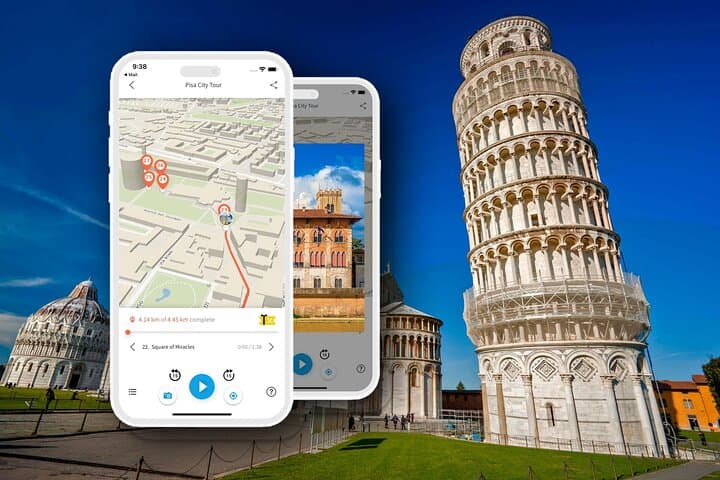
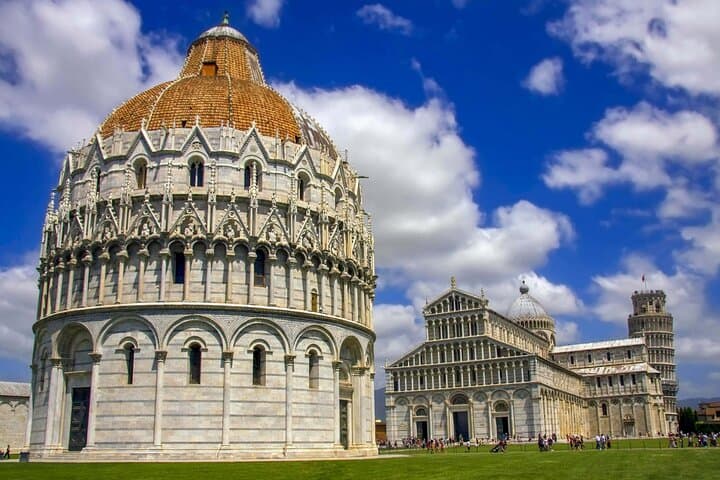
Take a self-paced, two-hour walking tour of Pisa with an audio guide and offline map. Move through the Square of Miracles, riverside churches, and medieval streets while pausing for coffee or photos on your own schedule.
Take a self-paced, two-hour walking tour of Pisa with an audio guide and offline map. Move through the Square of Miracles, riverside churches, and medieval streets while pausing for coffee or photos on your own schedule.
Morning light grazes the Arno as a traveler taps the TouringBee app and steps into Pisa’s living center. The city’s stone streets open into sudden vistas: the leaning bell tower tilts against a clear sky, arcades frame cafés, and a mural’s bright figures demand a longer look. This is a walk that lets pace be personal — pause for espresso, linger at a façade, or sprint for a sunset shot.
Verified experiences and guided adventures in the surrounding area.
Operated by TouringBee · Pisa, Tuscany
Morning light grazes the Arno as a traveler taps the TouringBee app and steps into Pisa’s living center. The city’s stone streets open into sudden vistas: the leaning bell tower tilts against a clear sky, arcades frame cafés, and a mural’s bright figures demand a longer look. This is a walk that lets pace be personal — pause for espresso, linger at a façade, or sprint for a sunset shot.
Pisa’s story is visible in its stones. Once a maritime republic, its medieval wealth funded the Square of Miracles and ornate churches whose marble faces speak of 11th–14th century craftsmanship. The city sits on an alluvial plain carved by the Arno; that soft ground explains the tower’s famous tilt and the low, riverine character of the streets. Local life is student-driven — the University of Pisa adds youthful energy to piazzas and trattorie.
Practical guidance: the self-guided tour runs about two hours and includes an offline map and 27 narrated stops, so download the app and audio before you leave Wi‑Fi. Expect cobbled surfaces and variable pavement; comfortable shoes and a charged phone matter more than technical gear. Peak season (June–August) brings crowds to Piazza dei Miracoli, while shoulder seasons offer cooler light and shorter lines. Respect active religious services when visiting churches and use the Arno-side paths for quieter stretches. With an audio guide in hand and a modest plan, visitors can experience Pisa’s major monuments and discover quieter corners on their own rhythm.
easy.
2 hours.
Suitable for most fitness levels; involves moderate walking on city streets and cobblestones.
No—this tour provides an offline map and downloadable audio recordings; download them on Wi‑Fi before you start.
The suggested route is about two hours, but it’s self‑guided—pause, skip stops, or spend more time wherever you choose.
Many streets and piazzas are accessible, but some cobbled sections and historic sites may be difficult for wheelchairs; the product notes it is not fully wheelchair accessible.
The audio guide offers multiple language tracks; confirm availability in your preferred language when activating access.
Pisa grew as a maritime republic in the Middle Ages; its wealth funded the cathedral complex and university that define the historic center.
The Square of Miracles is a UNESCO World Heritage Site—follow signage, avoid touching sculptures, and use marked paths to minimize wear on ancient stone.
TouringBee operates guided outdoor trips and adventures with an emphasis on safety, stewardship, and memorable experiences.
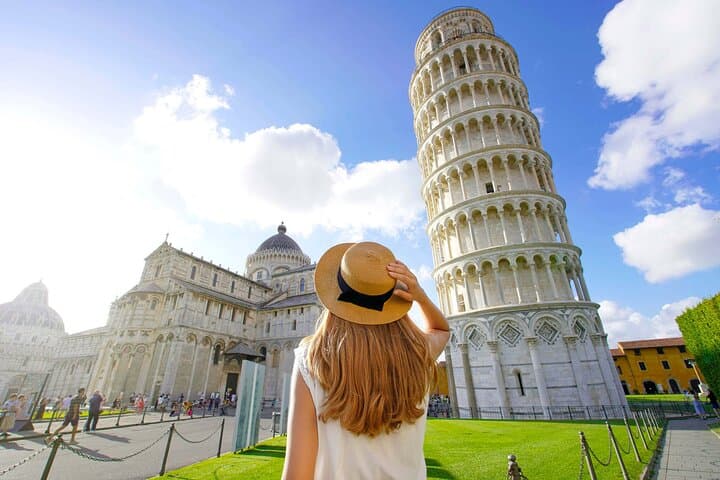
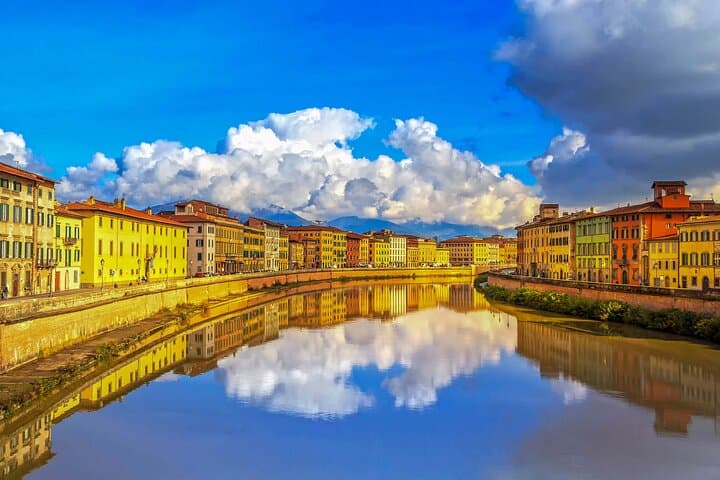
Morning light grazes the Arno as a traveler taps the TouringBee app and steps into Pisa’s living center. The city’s stone streets open into sudden vistas: the leaning bell tower tilts against a clear sky, arcades frame cafés, and a mural’s bright figures demand a longer look. This is a walk that lets pace be personal — pause for espresso, linger at a façade, or sprint for a sunset shot.
Morning light grazes the Arno as a traveler taps the TouringBee app and steps into Pisa’s living center. The city’s stone streets open into sudden vistas: the leaning bell tower tilts against a clear sky, arcades frame cafés, and a mural’s bright figures demand a longer look. This is a walk that lets pace be personal — pause for espresso, linger at a façade, or sprint for a sunset shot.
Pisa’s story is visible in its stones. Once a maritime republic, its medieval wealth funded the Square of Miracles and ornate churches whose marble faces speak of 11th–14th century craftsmanship. The city sits on an alluvial plain carved by the Arno; that soft ground explains the tower’s famous tilt and the low, riverine character of the streets. Local life is student-driven — the University of Pisa adds youthful energy to piazzas and trattorie.
Practical guidance: the self-guided tour runs about two hours and includes an offline map and 27 narrated stops, so download the app and audio before you leave Wi‑Fi. Expect cobbled surfaces and variable pavement; comfortable shoes and a charged phone matter more than technical gear. Peak season (June–August) brings crowds to Piazza dei Miracoli, while shoulder seasons offer cooler light and shorter lines. Respect active religious services when visiting churches and use the Arno-side paths for quieter stretches. With an audio guide in hand and a modest plan, visitors can experience Pisa’s major monuments and discover quieter corners on their own rhythm.