THE ADVENTURE COLLECTIVE® · Independent discovery and booking for outdoor travel

Make your own fresh mozzarella in a hands-on 60–90 minute masterclass in Pisa, then taste regional cheeses and cured meats alongside local producers. Practical, intimate, and suitable for first-timers—take home your own cheese as a savory souvenir.
Make your own fresh mozzarella in a hands-on 60–90 minute masterclass in Pisa, then taste regional cheeses and cured meats alongside local producers. Practical, intimate, and suitable for first-timers—take home your own cheese as a savory souvenir.
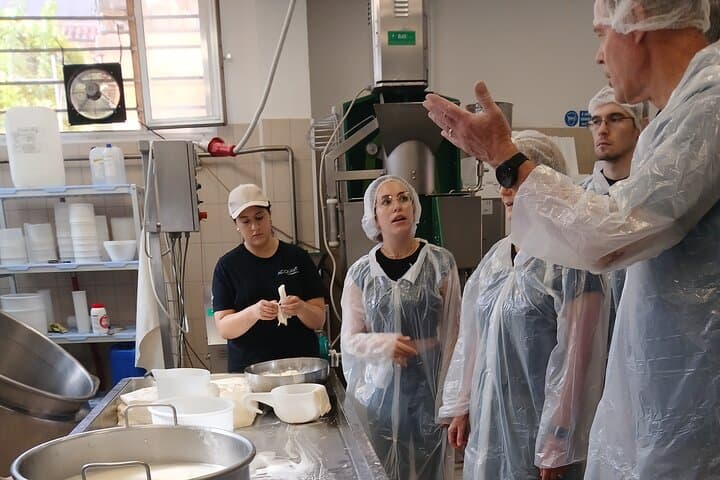
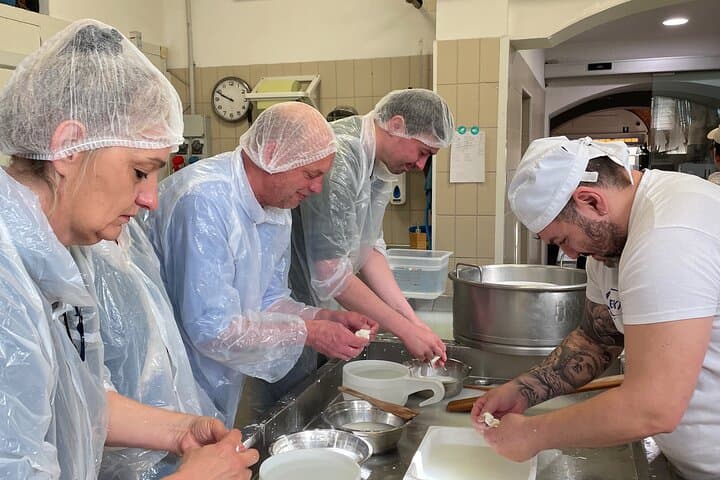
Steam rises from a stainless-steel pot as a small group gathers around a wooden table in a bright, no-frills workshop off Piazza Garibaldi. The instructor—local, practiced hands—dips curds into hot water and asks you to pull, fold and feel until the cheese becomes elastic. It’s tactile, slightly meditative, and unmistakably Italian: fresh mozzarella forming between your fingers while outside the square’s traffic hums and the Arno slips by a few blocks away.
Verified experiences and guided adventures in the surrounding area.
Operated by Discoverypisa · Pisa, Tuscany
Steam rises from a stainless-steel pot as a small group gathers around a wooden table in a bright, no-frills workshop off Piazza Garibaldi. The instructor—local, practiced hands—dips curds into hot water and asks you to pull, fold and feel until the cheese becomes elastic. It’s tactile, slightly meditative, and unmistakably Italian: fresh mozzarella forming between your fingers while outside the square’s traffic hums and the Arno slips by a few blocks away.
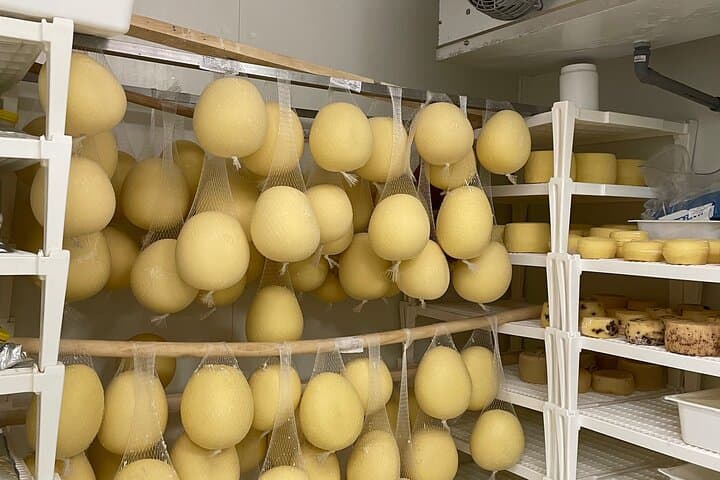
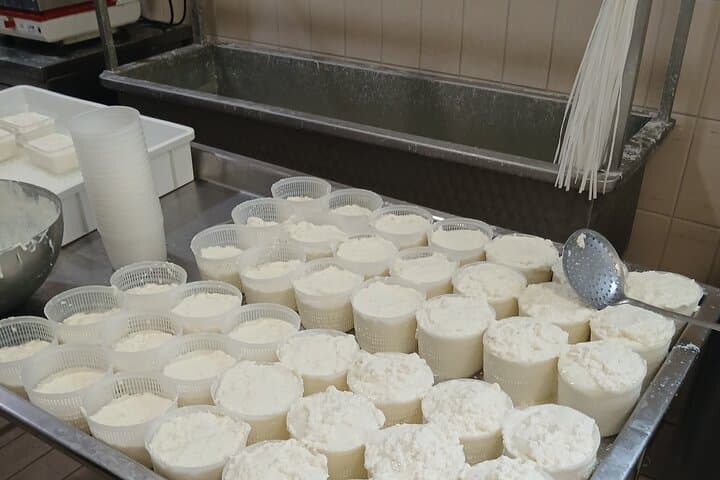
Tuscany isn’t centrally known for mozzarella the way Campania is, but the region’s dairy traditions are alive in pecorino and fresh cheeses produced in nearby farms. This class pairs that regional context with the broader Italian craft of stretching curd, and includes tastings of aged pecorino, ricotta and local cured meats so you can compare textures and flavors.
Expect a practical short lesson—about 60–90 minutes—focused on technique: curd cutting, temperature control, and the stretch-and-shape routine you’ll practice twice. You’ll taste with guidance, learn how producers think about milk sources, and leave with the mozzarella you made packed for travel.
Practical tips: arrive a few minutes early to stow bags and sanitize; wear clothes you don’t mind splashing; bring a small cooler or plan to eat your cheese same day. The session is friendly for beginners, good for couples or small private groups, and accessible by public transport from Pisa Centrale. It’s a compact, hands-on way to connect culinary craft with place—no chef’s hat required, just curiosity and clean hands.
easy.
1–1.5 hours.
No special fitness required; suitable for most adults and children who can stand for short periods
No. The class is designed for beginners and guides you step-by-step through the mozzarella-making process.
Notify the operator when booking; because this is dairy-focused, true dairy-free alternatives are limited but hosts can often advise on tastings.
Fresh mozzarella is best the same day; kept in a sealed container with a small amount of whey and refrigerated, it will keep 1–2 days with some loss of texture.
Yes—children can participate and strollers are accessible, but infants may need to sit on laps and close supervision is required around hot water.
Tuscany blends long-standing cheese traditions like pecorino with visiting techniques for mozzarella-making, creating a cross-regional culinary experience.
Classes often source milk from nearby farms—supporting these producers reduces transport emissions; minimize waste by bringing reusable bags.
Discoverypisa operates guided outdoor trips and adventures with an emphasis on safety, stewardship, and memorable experiences.
Steam rises from a stainless-steel pot as a small group gathers around a wooden table in a bright, no-frills workshop off Piazza Garibaldi. The instructor—local, practiced hands—dips curds into hot water and asks you to pull, fold and feel until the cheese becomes elastic. It’s tactile, slightly meditative, and unmistakably Italian: fresh mozzarella forming between your fingers while outside the square’s traffic hums and the Arno slips by a few blocks away.
Steam rises from a stainless-steel pot as a small group gathers around a wooden table in a bright, no-frills workshop off Piazza Garibaldi. The instructor—local, practiced hands—dips curds into hot water and asks you to pull, fold and feel until the cheese becomes elastic. It’s tactile, slightly meditative, and unmistakably Italian: fresh mozzarella forming between your fingers while outside the square’s traffic hums and the Arno slips by a few blocks away.
Tuscany isn’t centrally known for mozzarella the way Campania is, but the region’s dairy traditions are alive in pecorino and fresh cheeses produced in nearby farms. This class pairs that regional context with the broader Italian craft of stretching curd, and includes tastings of aged pecorino, ricotta and local cured meats so you can compare textures and flavors.
Expect a practical short lesson—about 60–90 minutes—focused on technique: curd cutting, temperature control, and the stretch-and-shape routine you’ll practice twice. You’ll taste with guidance, learn how producers think about milk sources, and leave with the mozzarella you made packed for travel.
Practical tips: arrive a few minutes early to stow bags and sanitize; wear clothes you don’t mind splashing; bring a small cooler or plan to eat your cheese same day. The session is friendly for beginners, good for couples or small private groups, and accessible by public transport from Pisa Centrale. It’s a compact, hands-on way to connect culinary craft with place—no chef’s hat required, just curiosity and clean hands.