THE ADVENTURE COLLECTIVE® · Independent discovery and booking for outdoor travel

Small, boat‑only or 15‑minute hike access makes Pirate’s Bay one of Tobago’s most private beaches. Expect clear snorkeling over coral, a Caribbean lunch, and local guides who know the tides and the island’s pirate lore.
Small, boat‑only or 15‑minute hike access makes Pirate’s Bay one of Tobago’s most private beaches. Expect clear snorkeling over coral, a Caribbean lunch, and local guides who know the tides and the island’s pirate lore.
The boat slips close to a narrow cove and the sea exhales salt and sunlight as you step onto Pirate’s Bay — a small sweep of sand reachable only by a 15‑minute footpath or a local fisherman’s drop-off. Palm trunks lean like silent crew, and the reef beyond the shallows flickers with color; currents nudge you toward coral gardens if you decide to snorkel.
Verified experiences and guided adventures in the surrounding area.
Operated by Tobago Fun Island Tours · Charlotteville, Tobago
The boat slips close to a narrow cove and the sea exhales salt and sunlight as you step onto Pirate’s Bay — a small sweep of sand reachable only by a 15‑minute footpath or a local fisherman’s drop-off. Palm trunks lean like silent crew, and the reef beyond the shallows flickers with color; currents nudge you toward coral gardens if you decide to snorkel.
Pirate’s Bay sits beside Man ‘o’ War Bay near Charlotteville, an area with a salty past: 17th–18th century privateers used Tobago’s convoluted coastline for hiding and repair, and the bay later provided cinematic backdrop in the 1952 Robinson Crusoe film. Geologically the shore is a mix of volcanic bedrock and sand deposited from reef breakdown; the nearby headlands funnel winds and shape the bay’s calm, sheltered water.
Locals in Charlotteville still fish by hand and serve straightforward Caribbean lunches — expect peppery stews, rice, and fresh fish. Culture here is relaxed and community‑oriented; your guide will often be a lifelong islander who reads tides and tells stories en route.
Practical guidance: wear reef‑safe sunscreen and water shoes for the rocky approach, and bring a dry bag for valuables. Snorkeling equipment is provided, but strong swimmers should still be comfortable in open water and mindful of currents beyond the sheltered reef.
Timing matters: mornings generally mean clearer water and fewer boats. Leave no trace around coral — the reef is fragile — and plan for a 5–6 hour outing that combines a short walk, optional snorkeling, and a local Caribbean lunch.
easy.
5–6 hours.
Lightly active — able to walk ~15 minutes over uneven sand/rock and swim/snorkel if desired.
You can be dropped off by a local fishing boat from Charlotteville or walk about 15 minutes on a marked path from the nearest access point; guides organize both options.
Use of snorkeling equipment is included; calm sheltered waters make it beginner‑friendly, but basic swimming ability and comfort in the sea are recommended.
Facilities are minimal — expect no permanent restrooms or shops on the beach, though a lunch and bottled water are provided by the tour.
Yes — the outing is suitable for families, but children must be supervised around water and may need life vests for snorkeling.
Tobago’s northeast bays were frequented by privateers in the 17th–18th centuries; Pirate’s Bay also served as a location for the 1952 film Robinson Crusoe.
The coral reef is fragile — practices like using reef‑safe sunscreen, avoiding anchor damage, and not touching marine life help preserve the bay’s ecosystem.
Tobago Fun Island Tours operates guided outdoor trips and adventures with an emphasis on safety, stewardship, and memorable experiences.
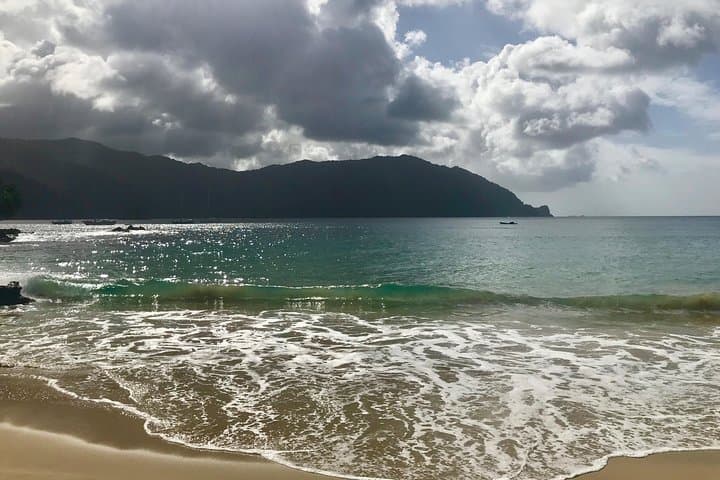
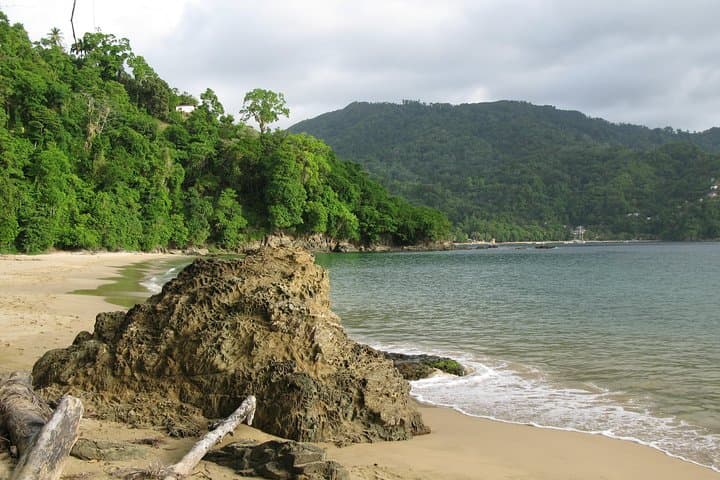
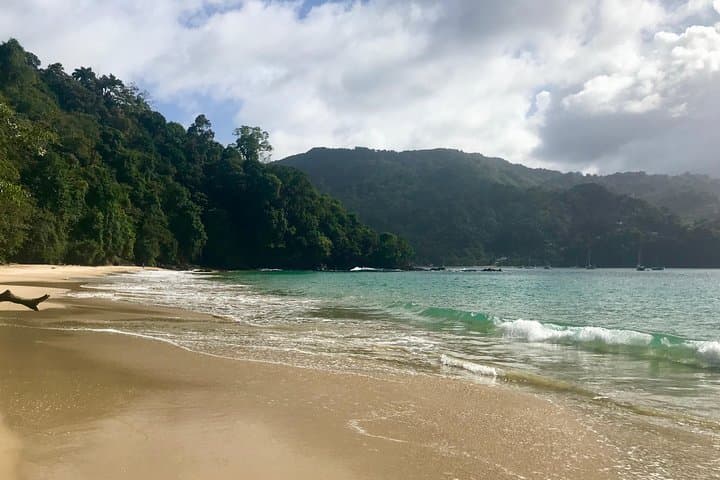
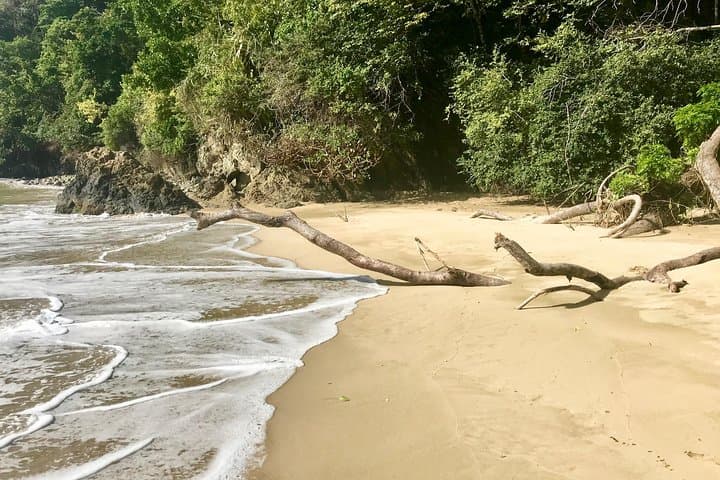
The boat slips close to a narrow cove and the sea exhales salt and sunlight as you step onto Pirate’s Bay — a small sweep of sand reachable only by a 15‑minute footpath or a local fisherman’s drop-off. Palm trunks lean like silent crew, and the reef beyond the shallows flickers with color; currents nudge you toward coral gardens if you decide to snorkel.
The boat slips close to a narrow cove and the sea exhales salt and sunlight as you step onto Pirate’s Bay — a small sweep of sand reachable only by a 15‑minute footpath or a local fisherman’s drop-off. Palm trunks lean like silent crew, and the reef beyond the shallows flickers with color; currents nudge you toward coral gardens if you decide to snorkel.
Pirate’s Bay sits beside Man ‘o’ War Bay near Charlotteville, an area with a salty past: 17th–18th century privateers used Tobago’s convoluted coastline for hiding and repair, and the bay later provided cinematic backdrop in the 1952 Robinson Crusoe film. Geologically the shore is a mix of volcanic bedrock and sand deposited from reef breakdown; the nearby headlands funnel winds and shape the bay’s calm, sheltered water.
Locals in Charlotteville still fish by hand and serve straightforward Caribbean lunches — expect peppery stews, rice, and fresh fish. Culture here is relaxed and community‑oriented; your guide will often be a lifelong islander who reads tides and tells stories en route.
Practical guidance: wear reef‑safe sunscreen and water shoes for the rocky approach, and bring a dry bag for valuables. Snorkeling equipment is provided, but strong swimmers should still be comfortable in open water and mindful of currents beyond the sheltered reef.
Timing matters: mornings generally mean clearer water and fewer boats. Leave no trace around coral — the reef is fragile — and plan for a 5–6 hour outing that combines a short walk, optional snorkeling, and a local Caribbean lunch.