THE ADVENTURE COLLECTIVE® · Independent discovery and booking for outdoor travel

Explore Piraeus on a four-hour walking tour that blends maritime history, active marinas and everyday neighborhood life. Stroll from the Municipal Theatre to Zea Marina while an English-speaking guide highlights hidden corners and local culture.
Explore Piraeus on a four-hour walking tour that blends maritime history, active marinas and everyday neighborhood life. Stroll from the Municipal Theatre to Zea Marina while an English-speaking guide highlights hidden corners and local culture.
Morning light slants across the Aegean as the group steps off the quay and into Piraeus — a working port where ferries dip like punctuation marks and the marina holds a slow parade of white sails.
Verified experiences and guided adventures in the surrounding area.
Operated by Once In Greece · Piraeus, Attica
Morning light slants across the Aegean as the group steps off the quay and into Piraeus — a working port where ferries dip like punctuation marks and the marina holds a slow parade of white sails.
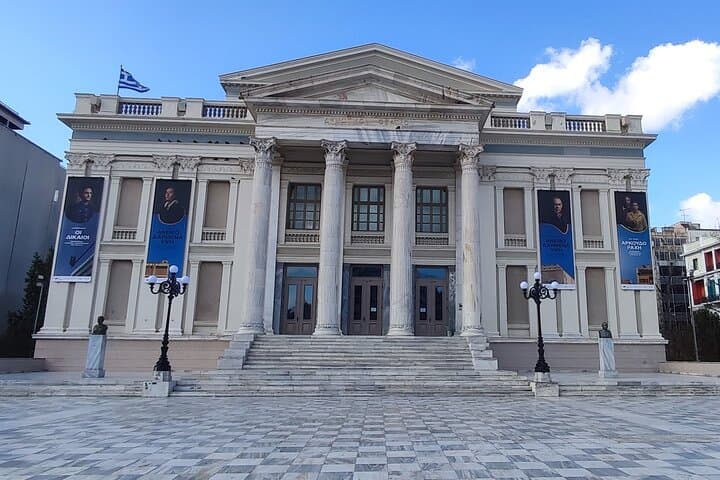
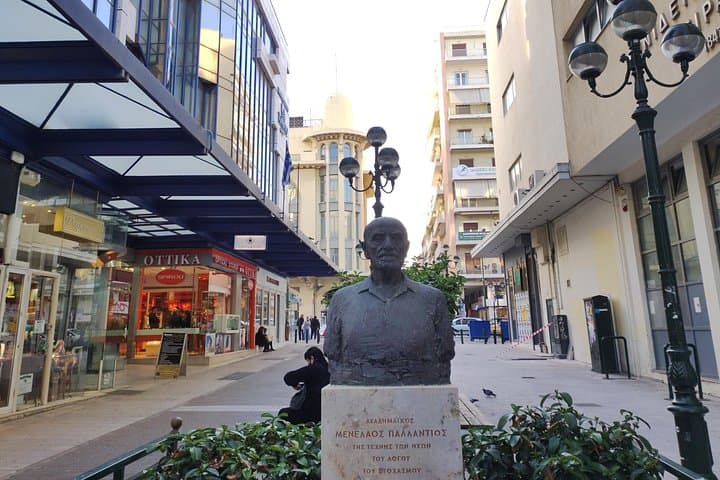
The four-hour walk threads past the Municipal Theatre’s neoclassical façade, winds down Sotiros shopping avenue and arrives at Zea (Pasalimani), where the sea pushes gentle rhythms against stone. You’ll move through commercial markets, narrow side streets, and small plazas where locals sip coffee and fishermen mend nets — a living sketch of modern Piraeus layered over an ancient harbor.
Piraeus began as Athens’ principal port in antiquity after Themistocles’ 5th-century BCE plans expanded Athens’ maritime reach. Geologically the coast is a shallow marine plain cut by human hands into quays and marinas; culturally the area has always balanced commerce, seafaring and neighborhood life. Expect neoclassical architecture, post-war shopping avenues, and a working marina that still smells faintly of diesel and salt.
Practically: this is an urban walking tour of mixed pavement and short stair sections, roughly 4 hours total with stops at viewpoints and markets. Comfortable shoes and sun protection matter more than technical gear. Public transit connects easily to central Athens if you want to extend your day. Guides typically provide bottled water and local stories; they’ll point out quieter corners — a church courtyard, a fish market lane — that reward a slower pace.
Plan for sun in summer, brisk winds in shoulder seasons, and keep belongings close in crowded areas. The walk is best for travelers who want cultural context delivered at a human pace.
moderate.
4 hours.
Moderate — expect continuous walking with short stops; suitable for families and active seniors.
Parts of the route and the provided transportation options are wheelchair accessible, but some short stair sections may be encountered—check with the operator when booking.
Bottled water is provided; meals or other drinks are not included but there are plenty of cafés and tavernas along the route.
This listing specifies an English-speaking local guide; confirm at booking if other languages are needed.
Yes — the tour is family-friendly, though children should be comfortable walking for up to four hours with intermittent breaks.
Piraeus was developed into Athens’ main naval and commercial port in the 5th century BCE under Themistocles and has remained a strategic maritime gateway through successive eras.
Respect active quay operations, avoid littering near the waterfront, and use designated crossings — reducing disturbance to marine life and supporting an operational port environment.
Once In Greece operates guided outdoor trips and adventures with an emphasis on safety, stewardship, and memorable experiences.
Morning light slants across the Aegean as the group steps off the quay and into Piraeus — a working port where ferries dip like punctuation marks and the marina holds a slow parade of white sails.
Morning light slants across the Aegean as the group steps off the quay and into Piraeus — a working port where ferries dip like punctuation marks and the marina holds a slow parade of white sails.
The four-hour walk threads past the Municipal Theatre’s neoclassical façade, winds down Sotiros shopping avenue and arrives at Zea (Pasalimani), where the sea pushes gentle rhythms against stone. You’ll move through commercial markets, narrow side streets, and small plazas where locals sip coffee and fishermen mend nets — a living sketch of modern Piraeus layered over an ancient harbor.
Piraeus began as Athens’ principal port in antiquity after Themistocles’ 5th-century BCE plans expanded Athens’ maritime reach. Geologically the coast is a shallow marine plain cut by human hands into quays and marinas; culturally the area has always balanced commerce, seafaring and neighborhood life. Expect neoclassical architecture, post-war shopping avenues, and a working marina that still smells faintly of diesel and salt.
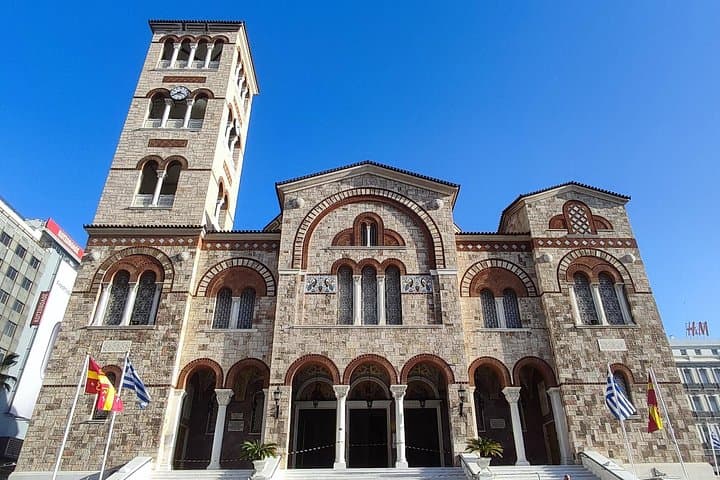
Practically: this is an urban walking tour of mixed pavement and short stair sections, roughly 4 hours total with stops at viewpoints and markets. Comfortable shoes and sun protection matter more than technical gear. Public transit connects easily to central Athens if you want to extend your day. Guides typically provide bottled water and local stories; they’ll point out quieter corners — a church courtyard, a fish market lane — that reward a slower pace.
Plan for sun in summer, brisk winds in shoulder seasons, and keep belongings close in crowded areas. The walk is best for travelers who want cultural context delivered at a human pace.