THE ADVENTURE COLLECTIVE® · Independent discovery and booking for outdoor travel

Walk a historic service road through Soberanía National Park where towering tropical trees and booming birdcalls await. This 4–5 hour guided hike follows mostly flat terrain and targets wildlife viewing—best in the early morning and during the dry season.
Walk a historic service road through Soberanía National Park where towering tropical trees and booming birdcalls await. This 4–5 hour guided hike follows mostly flat terrain and targets wildlife viewing—best in the early morning and during the dry season.
Dawn on Pipeline Road arrives like a slow exhale: shafts of light cut through a cathedral of ficus and ceiba, while a chorus of toucans and howler monkeys punctuates the humid air. The trail is a broad service road—flat, firm in the dry months and a little squelchy in the rains—where blue morpho butterflies flicker like living coins and the forest seems to press in, curious and watchful.
Verified experiences and guided adventures in the surrounding area.
Operated by DiscoverPana · Gamboa, Panamá Province
Dawn on Pipeline Road arrives like a slow exhale: shafts of light cut through a cathedral of ficus and ceiba, while a chorus of toucans and howler monkeys punctuates the humid air. The trail is a broad service road—flat, firm in the dry months and a little squelchy in the rains—where blue morpho butterflies flicker like living coins and the forest seems to press in, curious and watchful.
The route began as a US Army supply road during World War II and was later reopened by Smithsonian researchers in the late 20th century to study one of Central America’s most biodiverse lowland rainforests. Geologically, the area sits on the isthmus’ alluvial plain with slow-draining soils that feed a network of creeks and swampy stands; culturally, the corridor links Panama City to the Canal zone and small roadside markets where local produce and crafts appear after a morning’s hike.
Expect roughly 5 hours of walking on mostly flat terrain with three short climbs—teams generally cover about 6–10 km of the 17 km road—at a relaxed, wildlife-focused pace. Early morning is prime for birds and mammals; later in the day the forest becomes hotter and insect activity rises. Practical notes: bring waterproof footwear for the wet season, carry at least 1–2 liters of water, use biodegradable insect repellent, and plan for sticky humidity. Guided walks include a local guide who points out species and the old WWII relics, and the outing often ends with a short visit to a nearby Panamanian market. Pipeline Road is straightforward to walk but demands respect: stay on the path, keep voices low, and let the forest reveal itself on its own timetable.
moderate.
4–5 hours.
Suitable for travelers with a moderate fitness level—able to walk 6–10 km at a steady, slow-to-moderate pace.
The guided portion is about 4–5 hours of walking, covering roughly 6–10 km along a mostly flat forest service road with three small climbs.
The terrain is not technical but requires steady footing and endurance for several hours; active children and fit older adults can usually manage with breaks and a guide pacing the group.
No special permit is required for the Pipeline Road walk itself, but park regulations apply; most guided tours include any necessary fees.
Early morning during the dry season (roughly Dec–Apr) offers the best bird and mammal activity and firmer trail conditions for easier walking.
Originally a US Army service road from World War II, Pipeline Road was later reopened and studied by Smithsonian scientists and remains an important research corridor.
High visitation can disturb wildlife and spread seeds of invasive plants; stick to the road, avoid feeding animals, and use biodegradable products to reduce impact.
DiscoverPana operates guided outdoor trips and adventures with an emphasis on safety, stewardship, and memorable experiences.
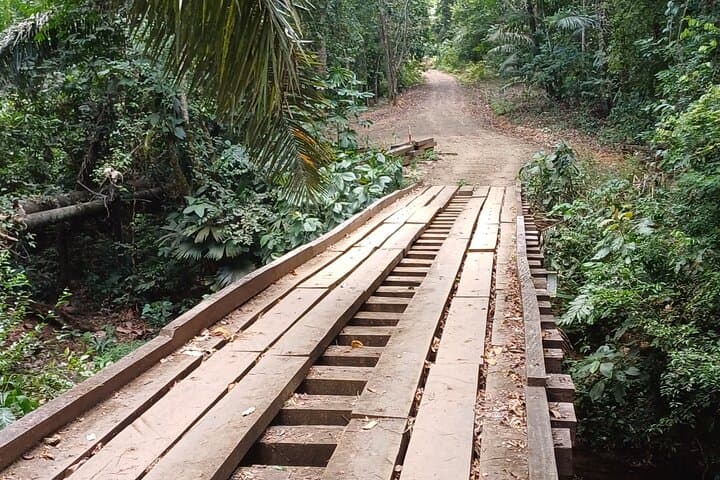
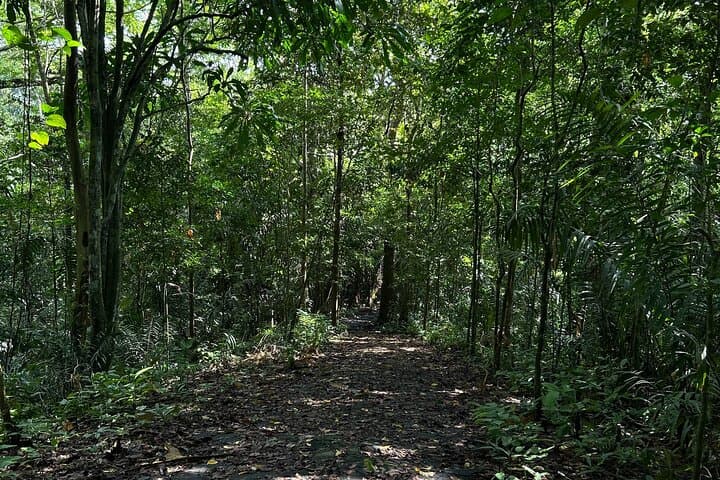
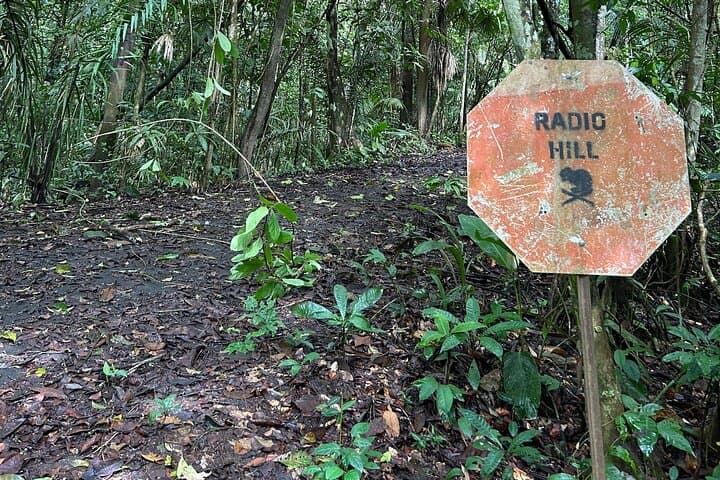
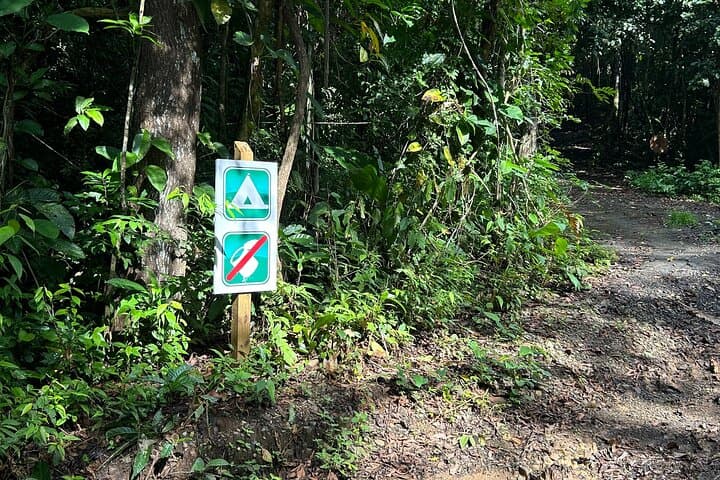
Dawn on Pipeline Road arrives like a slow exhale: shafts of light cut through a cathedral of ficus and ceiba, while a chorus of toucans and howler monkeys punctuates the humid air. The trail is a broad service road—flat, firm in the dry months and a little squelchy in the rains—where blue morpho butterflies flicker like living coins and the forest seems to press in, curious and watchful.
Dawn on Pipeline Road arrives like a slow exhale: shafts of light cut through a cathedral of ficus and ceiba, while a chorus of toucans and howler monkeys punctuates the humid air. The trail is a broad service road—flat, firm in the dry months and a little squelchy in the rains—where blue morpho butterflies flicker like living coins and the forest seems to press in, curious and watchful.
The route began as a US Army supply road during World War II and was later reopened by Smithsonian researchers in the late 20th century to study one of Central America’s most biodiverse lowland rainforests. Geologically, the area sits on the isthmus’ alluvial plain with slow-draining soils that feed a network of creeks and swampy stands; culturally, the corridor links Panama City to the Canal zone and small roadside markets where local produce and crafts appear after a morning’s hike.
Expect roughly 5 hours of walking on mostly flat terrain with three short climbs—teams generally cover about 6–10 km of the 17 km road—at a relaxed, wildlife-focused pace. Early morning is prime for birds and mammals; later in the day the forest becomes hotter and insect activity rises. Practical notes: bring waterproof footwear for the wet season, carry at least 1–2 liters of water, use biodegradable insect repellent, and plan for sticky humidity. Guided walks include a local guide who points out species and the old WWII relics, and the outing often ends with a short visit to a nearby Panamanian market. Pipeline Road is straightforward to walk but demands respect: stay on the path, keep voices low, and let the forest reveal itself on its own timetable.