THE ADVENTURE COLLECTIVE® · Independent discovery and booking for outdoor travel

Leave Natal for a full-day run of beaches, cliffs and Atlantic Forest on the Pipa Beach tour. Spot dolphins at Enseada dos Golfinhos, walk tidal beaches when the tide allows, and explore the village’s seaside charm.
Leave Natal for a full-day run of beaches, cliffs and Atlantic Forest on the Pipa Beach tour. Spot dolphins at Enseada dos Golfinhos, walk tidal beaches when the tide allows, and explore the village’s seaside charm.
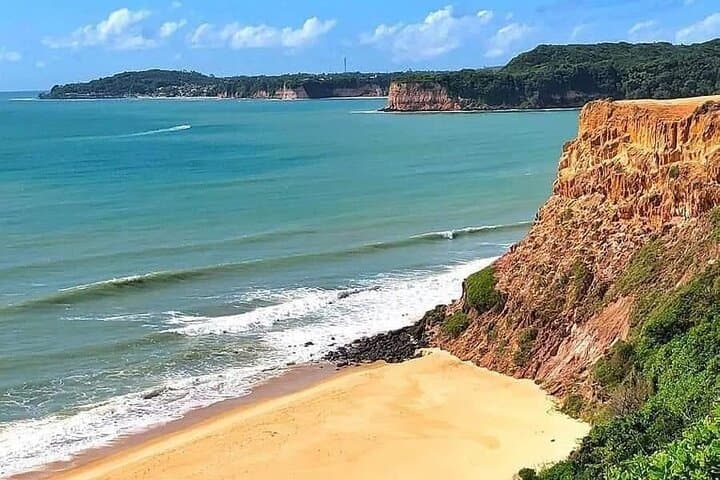
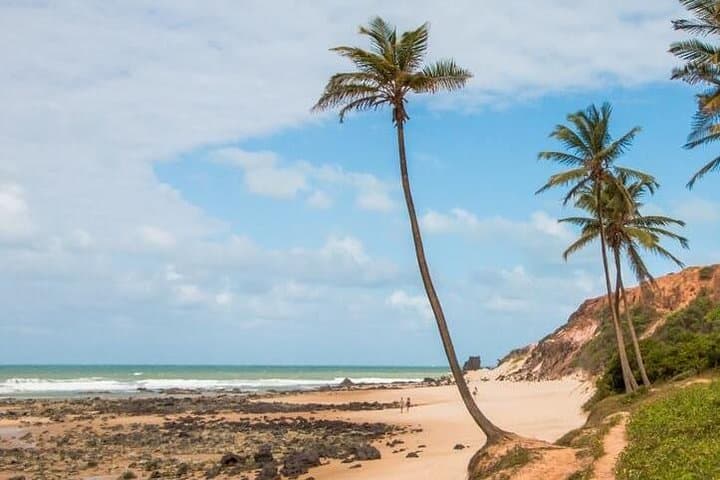
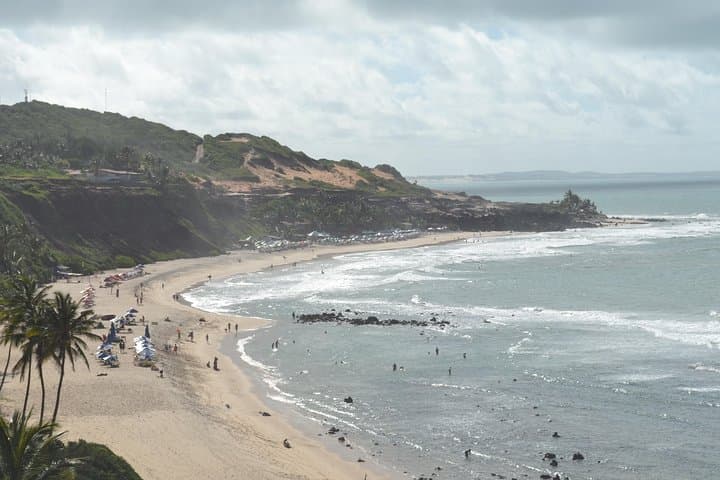
The bus eases out of Natal before sunrise and the coastline opens like a long, breathing thing—sugar-white sand, abrupt cliffs, and palms that lean toward the Atlantic as if to listen. By midmorning you descend the carved staircase to Enseada dos Golfinhos, where the water keeps an eye on you and spinner dolphins often glide the shallows, curious and unhurried.
Verified experiences and guided adventures in the surrounding area.
Operated by WHELTOUR RECEPTIVO · Tibau do Sul, Rio Grande do Norte
The bus eases out of Natal before sunrise and the coastline opens like a long, breathing thing—sugar-white sand, abrupt cliffs, and palms that lean toward the Atlantic as if to listen. By midmorning you descend the carved staircase to Enseada dos Golfinhos, where the water keeps an eye on you and spinner dolphins often glide the shallows, curious and unhurried.
Pipa sits on the edge of the remnants of the Atlantic Forest and coastal dunes shaped by wind and surf over millennia. Cliffs here are sandstone and calcarenite, scoured into shelves that create tidal pools and natural lookouts. The village grew from a fishing hamlet into a beach destination in recent decades; local restaurants still serve fresh fish beside pousadas with wooden verandas.
Expect a mix of easy walking, stair descents (about 150 steps at select lookouts), and tide-dependent shoreline strolls. Guides point out sandbank formations and the ecological reserves that shelter native plants and migratory birds. Cultural rhythms are simple: fishermen mending nets, beachfront kiosks offering tapioca and coconut water, and a laid-back surf scene at Praia da Pipa.
Practical: the full-day tour runs 7–8 hours with air-conditioned transport and multiple stops—photo lookouts, beach time, and a village break. Wear reef-safe sunscreen, sturdy sandals or light hiking shoes for cliffs and stairs, and bring cash for small purchases. If you want the best chance to see dolphins, plan for morning low tide and sit quietly at the water’s edge; sightings are common but never guaranteed. Hydrate often—the coastal sun and salty air fatigue quickly—and respect protected areas and nesting sites when exploring.
moderate.
7–8 hours.
Moderate fitness recommended: able to walk on sand, descend/ascend staircases, and stand during short dolphin watches.
The tour is about 7–8 hours with air-conditioned transport, guided stops at Enseada dos Golfinhos, other beaches, viewpoints and a village break; meals are not usually included.
Dolphin sightings at Enseada dos Golfinhos are common but never guaranteed; mornings and calm seas improve your chances.
Some lookouts require descending roughly 150 steps; beach walks depend on tide and may involve soft sand and rocky stretches.
Not recommended for travelers with serious spinal, heart, or pregnancy-related conditions; the tour requires moderate mobility and fitness.
Pipa developed from a small fishing community into a tourism hub in the late 20th century, with conservation efforts emerging as visitor numbers grew.
Several coastal reserves protect Atlantic Forest fragments and nesting grounds; stick to marked trails, avoid disturbing wildlife, and use reef-safe products.
WHELTOUR RECEPTIVO operates guided outdoor trips and adventures with an emphasis on safety, stewardship, and memorable experiences.
The bus eases out of Natal before sunrise and the coastline opens like a long, breathing thing—sugar-white sand, abrupt cliffs, and palms that lean toward the Atlantic as if to listen. By midmorning you descend the carved staircase to Enseada dos Golfinhos, where the water keeps an eye on you and spinner dolphins often glide the shallows, curious and unhurried.
The bus eases out of Natal before sunrise and the coastline opens like a long, breathing thing—sugar-white sand, abrupt cliffs, and palms that lean toward the Atlantic as if to listen. By midmorning you descend the carved staircase to Enseada dos Golfinhos, where the water keeps an eye on you and spinner dolphins often glide the shallows, curious and unhurried.
Pipa sits on the edge of the remnants of the Atlantic Forest and coastal dunes shaped by wind and surf over millennia. Cliffs here are sandstone and calcarenite, scoured into shelves that create tidal pools and natural lookouts. The village grew from a fishing hamlet into a beach destination in recent decades; local restaurants still serve fresh fish beside pousadas with wooden verandas.
Expect a mix of easy walking, stair descents (about 150 steps at select lookouts), and tide-dependent shoreline strolls. Guides point out sandbank formations and the ecological reserves that shelter native plants and migratory birds. Cultural rhythms are simple: fishermen mending nets, beachfront kiosks offering tapioca and coconut water, and a laid-back surf scene at Praia da Pipa.
Practical: the full-day tour runs 7–8 hours with air-conditioned transport and multiple stops—photo lookouts, beach time, and a village break. Wear reef-safe sunscreen, sturdy sandals or light hiking shoes for cliffs and stairs, and bring cash for small purchases. If you want the best chance to see dolphins, plan for morning low tide and sit quietly at the water’s edge; sightings are common but never guaranteed. Hydrate often—the coastal sun and salty air fatigue quickly—and respect protected areas and nesting sites when exploring.