THE ADVENTURE COLLECTIVE® · Independent discovery and booking for outdoor travel

Walk through Donosti’s Old Town sampling pintxos and regional drinks while a local guide explains technique, history, and pairing logic. This relaxed 2.5–3 hour evening tour blends tasting with cultural context—ideal for curious food travelers.
Walk through Donosti’s Old Town sampling pintxos and regional drinks while a local guide explains technique, history, and pairing logic. This relaxed 2.5–3 hour evening tour blends tasting with cultural context—ideal for curious food travelers.
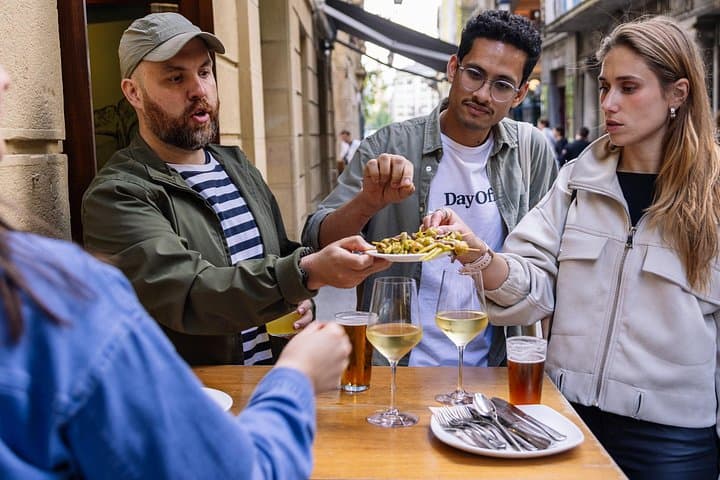
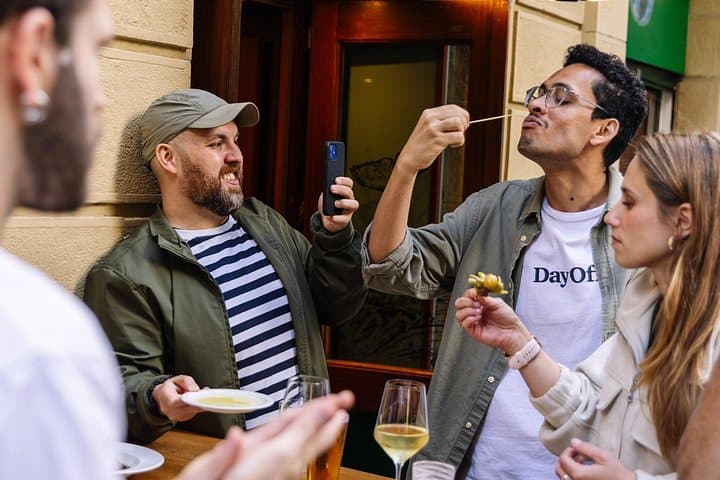
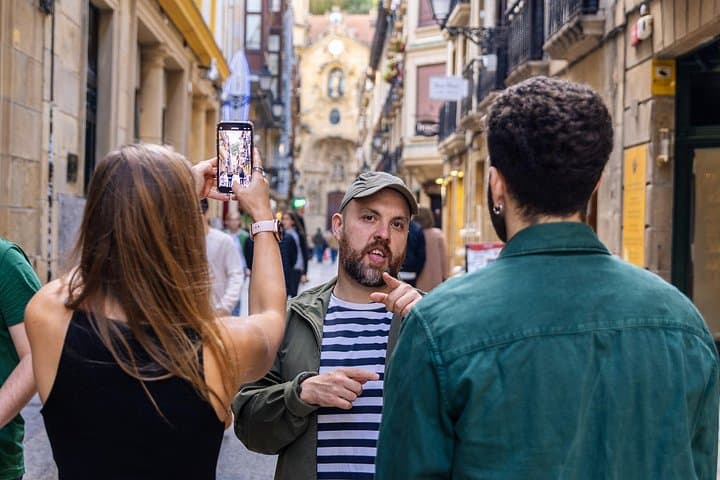
You step out on a narrow stone street in Donostia with the sea wind nudging the aroma of grilled anchovies and browned bread toward you. The guide threads through the Old Town’s compressed lanes, and each small bar window becomes a stage: skewers, toasted brioche, and gleaming plates set a brisk rhythm.
Verified experiences and guided adventures in the surrounding area.
Operated by Gastro Gems · San Sebastián, Gipuzkoa
You step out on a narrow stone street in Donostia with the sea wind nudging the aroma of grilled anchovies and browned bread toward you. The guide threads through the Old Town’s compressed lanes, and each small bar window becomes a stage: skewers, toasted brioche, and gleaming plates set a brisk rhythm.
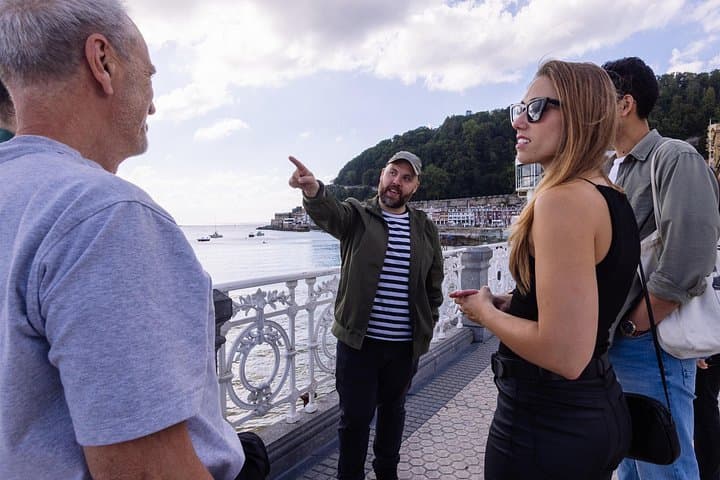
San Sebastián sits on the Cantabrian coast where the Bay of Biscay shapes a curved shore and a habit of fresh seafood. The city’s gastronomic rise after the 19th century spa boom and the later Michelin attention made pintxo culture both everyday ritual and culinary craft. La Concha’s tidal sweep and the city’s compact urban geology concentrate markets, bars, and historic sites in walkable clusters.
Along the walk you’ll learn how txakoli’s acidity cuts through oil and why cider pours from high to aerate; stories about the City Hall casino and La Bretxa market appear between bites. Expect explanations of technique—how a skewer is layered to balance salt and texture—and social cues: ordering at the bar, sharing plates, standing while you eat.
Practically: the tour covers about 1–2 miles of mostly flat cobblestones over 2.5–3 hours with multiple short stops to taste and drink. Bring a light jacket for sea breeze and a small card or cash for extras. If you have allergies, notify the guide early; much is seafood- and dairy-forward. The pace is casual but steady—plan to arrive hungry and ready to sample rather than sit down to a formal meal.
easy.
2.5–3 hours.
Light walking ability; suitable for most fitness levels though participants should be comfortable standing at bars and walking on cobblestones.
Yes—the tour includes a range of pintxos and alcoholic pairings intended to constitute a full dinner across stops.
The operator marks the tour as wheelchair accessible, though some historic bars have tight entrances—notify them in advance so they can plan accessible stops.
Shared tours are capped around eight travelers for an intimate bar-by-bar experience.
Inform the tour at booking or at the start; the guide can recommend alternatives but options depend on each bar’s offerings.
San Sebastián expanded as a 19th-century seaside resort and later became a culinary hub; its pintxo culture evolved from tavern snacks to refined small plates.
Touring responsibly means minimizing single-use plastics, staying on marked streets, and supporting local businesses—choose bars that source local ingredients.
Gastro Gems operates guided outdoor trips and adventures with an emphasis on safety, stewardship, and memorable experiences.
You step out on a narrow stone street in Donostia with the sea wind nudging the aroma of grilled anchovies and browned bread toward you. The guide threads through the Old Town’s compressed lanes, and each small bar window becomes a stage: skewers, toasted brioche, and gleaming plates set a brisk rhythm.
You step out on a narrow stone street in Donostia with the sea wind nudging the aroma of grilled anchovies and browned bread toward you. The guide threads through the Old Town’s compressed lanes, and each small bar window becomes a stage: skewers, toasted brioche, and gleaming plates set a brisk rhythm.
San Sebastián sits on the Cantabrian coast where the Bay of Biscay shapes a curved shore and a habit of fresh seafood. The city’s gastronomic rise after the 19th century spa boom and the later Michelin attention made pintxo culture both everyday ritual and culinary craft. La Concha’s tidal sweep and the city’s compact urban geology concentrate markets, bars, and historic sites in walkable clusters.
Along the walk you’ll learn how txakoli’s acidity cuts through oil and why cider pours from high to aerate; stories about the City Hall casino and La Bretxa market appear between bites. Expect explanations of technique—how a skewer is layered to balance salt and texture—and social cues: ordering at the bar, sharing plates, standing while you eat.
Practically: the tour covers about 1–2 miles of mostly flat cobblestones over 2.5–3 hours with multiple short stops to taste and drink. Bring a light jacket for sea breeze and a small card or cash for extras. If you have allergies, notify the guide early; much is seafood- and dairy-forward. The pace is casual but steady—plan to arrive hungry and ready to sample rather than sit down to a formal meal.