THE ADVENTURE COLLECTIVE® · Independent discovery and booking for outdoor travel

Spend a gentle day from Colombo or Negombo visiting the Pinnawala Elephant Orphanage, a recreated village at Ape Gama, local temples and a tea factory. Expect river-bathing elephants, short walks and cultural stops along a 5–7 hour private drive.
Spend a gentle day from Colombo or Negombo visiting the Pinnawala Elephant Orphanage, a recreated village at Ape Gama, local temples and a tea factory. Expect river-bathing elephants, short walks and cultural stops along a 5–7 hour private drive.
You arrive before the heat, the road unfurling through low hills as the driver turns off the main highway and the river begins to click against stones. At Pinnawala the river dares you closer—elephants move deliberately into the current, trunks like slow pistons, calves shadowing their mothers.
Verified experiences and guided adventures in the surrounding area.
Operated by ceylenese · Pinnawala, Sabaragamuwa Province
You arrive before the heat, the road unfurling through low hills as the driver turns off the main highway and the river begins to click against stones. At Pinnawala the river dares you closer—elephants move deliberately into the current, trunks like slow pistons, calves shadowing their mothers.
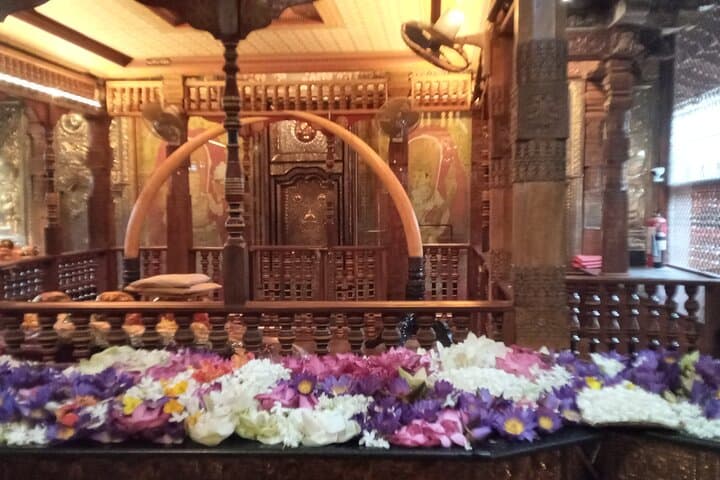
The orphanage grew out of wildlife rescue efforts in the 1970s; the area sits in Sri Lanka’s wet-zone foothills where laterite soils feed rubber and tea plots. En route the itinerary threads through living culture: a colourful Hindu kovil’s painted gopuram, a quiet Buddhist temple with ancient brickwork, and a tea factory where steaming rollers separate leaf and stem. Ape Gama recreates village crafts and foodways so visitors can see traditional homes and local artisans.
Expect close-up animal viewing, short walking sections, and a mix of paved and uneven surfaces. Photo opportunities peak at river-bathing times when elephants move from the holding yards to the water; the tea factory tour includes a short walk and mechanical noise. Lunch is a buffet; bottled water is provided.
Practical edge: plan for a 5–7 hour day, start early to avoid midday crowds, and keep interactions non-invasive—observe handlers’ directions when viewing or photographing animals. Wear sun protection and grippy shoes for wet riverbanks. If you want to extend the route, the driver can arrange detours to Polonnaruwa, Sigiriya, or Dambulla for an extra day. This is a gentle, sensory day of wildlife and cultural stops best suited to travelers who want close encounters without a strenuous hike.
easy.
5–7 hours.
Suitable for most fitness levels; requires short walks on uneven terrain and standing during animal viewings.
The private day trip is typically 5 to 7 hours door-to-door depending on traffic and any extra stops you request.
The tour lists entrance fees for the Old Village, tea factory, herbal garden and temples as included; confirm any optional stops with the driver beforehand.
The provider indicates stroller and wheelchair accessibility for transport and many areas, but riverbanks and some exhibits can be uneven—check specific accessibility needs before booking.
Yes, the driver can discuss detours to Polonnaruwa, Sigiriya or Dambulla, though those typically require additional time and may need an overnight extension.
The Pinnawala facility began as a government rescue and care center in the 1970s; the region’s villages and temples reflect centuries of Sinhalese and Tamil presence tied to trade and agriculture.
Observe recommended viewing distances and don’t feed wildlife; supporting regulated tours helps fund care, but ongoing debates exist about captive elephant management and welfare.
ceylenese operates guided outdoor trips and adventures with an emphasis on safety, stewardship, and memorable experiences.

You arrive before the heat, the road unfurling through low hills as the driver turns off the main highway and the river begins to click against stones. At Pinnawala the river dares you closer—elephants move deliberately into the current, trunks like slow pistons, calves shadowing their mothers.
You arrive before the heat, the road unfurling through low hills as the driver turns off the main highway and the river begins to click against stones. At Pinnawala the river dares you closer—elephants move deliberately into the current, trunks like slow pistons, calves shadowing their mothers.
The orphanage grew out of wildlife rescue efforts in the 1970s; the area sits in Sri Lanka’s wet-zone foothills where laterite soils feed rubber and tea plots. En route the itinerary threads through living culture: a colourful Hindu kovil’s painted gopuram, a quiet Buddhist temple with ancient brickwork, and a tea factory where steaming rollers separate leaf and stem. Ape Gama recreates village crafts and foodways so visitors can see traditional homes and local artisans.
Expect close-up animal viewing, short walking sections, and a mix of paved and uneven surfaces. Photo opportunities peak at river-bathing times when elephants move from the holding yards to the water; the tea factory tour includes a short walk and mechanical noise. Lunch is a buffet; bottled water is provided.
Practical edge: plan for a 5–7 hour day, start early to avoid midday crowds, and keep interactions non-invasive—observe handlers’ directions when viewing or photographing animals. Wear sun protection and grippy shoes for wet riverbanks. If you want to extend the route, the driver can arrange detours to Polonnaruwa, Sigiriya, or Dambulla for an extra day. This is a gentle, sensory day of wildlife and cultural stops best suited to travelers who want close encounters without a strenuous hike.