THE ADVENTURE COLLECTIVE® · Independent discovery and booking for outdoor travel

Combine an intimate guided walkthrough of the Pinacoteca di Brera’s Renaissance and Baroque masterpieces with a hands-on stroll through Brera’s artist quarter. This two-hour tour pairs museum insight with neighborhood discoveries—ideal for culture-minded walkers.
Combine an intimate guided walkthrough of the Pinacoteca di Brera’s Renaissance and Baroque masterpieces with a hands-on stroll through Brera’s artist quarter. This two-hour tour pairs museum insight with neighborhood discoveries—ideal for culture-minded walkers.
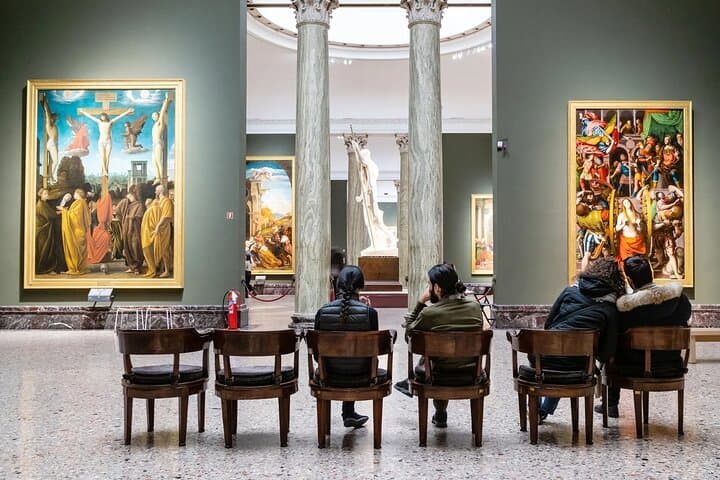
You step off a narrow street into a cool, hushed room where frescoed walls and oil-glossed canvases hold the light differently—this is the Pinacoteca di Brera at the heart of Milan’s Brera quarter. The guided visit begins amid Renaissance faces and Baroque chiaroscuro, then spills out into cobbled lanes where ateliers, small perfumeries and paint-splattered windows keep the neighborhood alive.
Verified experiences and guided adventures in the surrounding area.
Operated by Eternal City Tours · Milan, Lombardy
You step off a narrow street into a cool, hushed room where frescoed walls and oil-glossed canvases hold the light differently—this is the Pinacoteca di Brera at the heart of Milan’s Brera quarter. The guided visit begins amid Renaissance faces and Baroque chiaroscuro, then spills out into cobbled lanes where ateliers, small perfumeries and paint-splattered windows keep the neighborhood alive.
Founded in the late 18th century on the site of a Jesuit college, the Pinacoteca became a civic collection that crystallizes Lombardy’s artistic lineage: Raphael’s balanced compositions, Caravaggio’s dramatic lighting and Hayez’s 19th-century nationalism. Geologically, Milan sits on the Po Valley’s alluvial plain—flat streets and stone façades shaped by centuries of trade and river-borne sediment rather than dramatic relief—so the city’s drama arrives through architecture and art rather than cliffs or peaks.
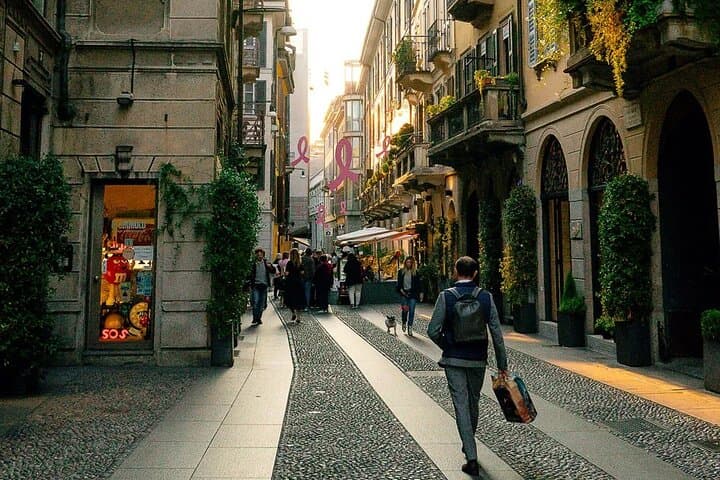
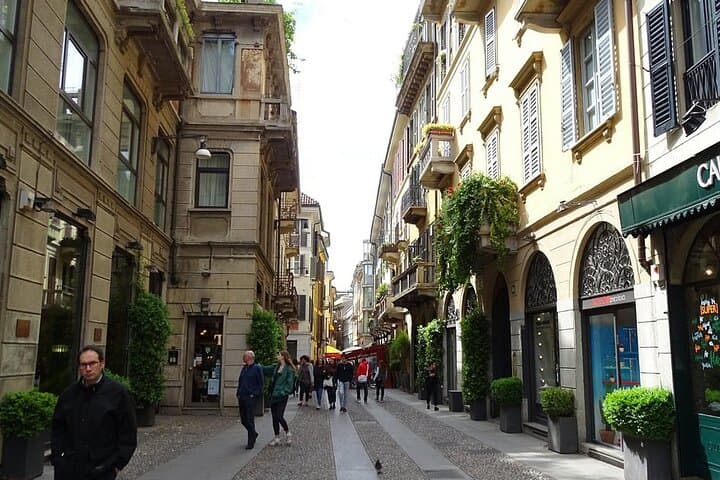
After the galleries, the guide leads a measured walk through Brera’s alleys. You’ll pass workshops where canvases are stretched and join streetside cafés that have hosted artists for generations. Local insights include where to find restoration studios, a boutique selling traditional pigments, and quiet courtyards few tourists notice.
Practical guidance: allow about two hours, book morning slots to avoid peak crowds, and store large bags in the museum locker—backpacks are not permitted in galleries. Comfortable walking shoes and a light layer are advisable year-round; museums can be cool. The tour is wheelchair accessible and served by Milan’s public transit; verify meeting points and bring a mobile ticket.
easy.
2 hours.
Suitable for most visitors; involves short periods standing and a moderate paced walking loop
Yes—admission to the Pinacoteca is included with this guided tour; you’ll receive mobile ticketing instructions upon booking.
The tour and museum are wheelchair accessible, but notify the operator in advance to arrange assistance if needed.
Large bags and backpacks must be left in the museum locker; small personal bags are typically allowed but may be subject to inspection.
Photography rules vary by room—non-flash photography is generally accepted but follow your guide and posted signs to avoid restricted areas.
The Pinacoteca di Brera was established in the late 18th century as part of Napoleonic reorganization of art collections and grew from a former Jesuit college into Milan’s premier civic gallery.
The museum is active in restoration and research; visitors help sustain conservation through admissions. Stick to rules about distance and no-flash photography to protect pigments.
Eternal City Tours operates guided outdoor trips and adventures with an emphasis on safety, stewardship, and memorable experiences.

You step off a narrow street into a cool, hushed room where frescoed walls and oil-glossed canvases hold the light differently—this is the Pinacoteca di Brera at the heart of Milan’s Brera quarter. The guided visit begins amid Renaissance faces and Baroque chiaroscuro, then spills out into cobbled lanes where ateliers, small perfumeries and paint-splattered windows keep the neighborhood alive.
You step off a narrow street into a cool, hushed room where frescoed walls and oil-glossed canvases hold the light differently—this is the Pinacoteca di Brera at the heart of Milan’s Brera quarter. The guided visit begins amid Renaissance faces and Baroque chiaroscuro, then spills out into cobbled lanes where ateliers, small perfumeries and paint-splattered windows keep the neighborhood alive.
Founded in the late 18th century on the site of a Jesuit college, the Pinacoteca became a civic collection that crystallizes Lombardy’s artistic lineage: Raphael’s balanced compositions, Caravaggio’s dramatic lighting and Hayez’s 19th-century nationalism. Geologically, Milan sits on the Po Valley’s alluvial plain—flat streets and stone façades shaped by centuries of trade and river-borne sediment rather than dramatic relief—so the city’s drama arrives through architecture and art rather than cliffs or peaks.
After the galleries, the guide leads a measured walk through Brera’s alleys. You’ll pass workshops where canvases are stretched and join streetside cafés that have hosted artists for generations. Local insights include where to find restoration studios, a boutique selling traditional pigments, and quiet courtyards few tourists notice.
Practical guidance: allow about two hours, book morning slots to avoid peak crowds, and store large bags in the museum locker—backpacks are not permitted in galleries. Comfortable walking shoes and a light layer are advisable year-round; museums can be cool. The tour is wheelchair accessible and served by Milan’s public transit; verify meeting points and bring a mobile ticket.