THE ADVENTURE COLLECTIVE® · Independent discovery and booking for outdoor travel

Take the helm of a two-person CraigCat and slip through mangrove-lined channels where dolphins, manatees, and wading birds come close enough to study. This 1.5–2.5 hour outing from Naples blends basic boat handling with up-close wildlife viewing and a grounding primer in coastal navigation.
Take the helm of a two-person CraigCat and slip through mangrove-lined channels where dolphins, manatees, and wading birds come close enough to study. This 1.5–2.5 hour outing from Naples blends basic boat handling with up-close wildlife viewing and a grounding primer in coastal navigation.
The motor hums low and steady as two aluminum hulls skim a glassy channel, mangrove roots sliding past like the ribs of a sculpted shore. Wind lifts salt off the surface in spindrift; a pod of bottlenose dolphins arcs a few hundred feet ahead and seems to dare you into a closer turn. This is a CraigCat—an agile two-person catamaran built for shoal water—and for 90 to 150 minutes you are both captain and passenger through the braided waterways of the 10,000 Islands.
Verified experiences and guided adventures in the surrounding area.
Operated by Backwater Adventure · Naples, Florida
The motor hums low and steady as two aluminum hulls skim a glassy channel, mangrove roots sliding past like the ribs of a sculpted shore. Wind lifts salt off the surface in spindrift; a pod of bottlenose dolphins arcs a few hundred feet ahead and seems to dare you into a closer turn. This is a CraigCat—an agile two-person catamaran built for shoal water—and for 90 to 150 minutes you are both captain and passenger through the braided waterways of the 10,000 Islands.
The chain of mangrove isles that threads the Gulf of Mexico here is young in geological terms: a shallow carbonate platform shaped by tides, storms, and seagrass beds that trap sediment. Humans have left a deeper trace. The Calusa once navigated these channels in canoes, harvesting fish and shells; later, fishing shacks and shrimp boats marked the horizon. Today the islands sit mostly protected, a working coastline that still supports commercial harvests and an astonishing concentration of wildlife.
A CraigCat gives you a different relationship to the water. Where tour boats keep distance, these light-draft catamarans slip into narrow channels, pushing close to mangrove roots where herons watch with patient eyes and manatees browse in the shallows. The guide runs point in a chase boat while you pilot your own vessel—throttle, lean, and read tide lines. It’s part small-boat education, part wildlife safari: you learn the feel of wind against the hull and how currents will tuck you against a mudflat or shove you sideways around a bend.
Practical matters are straightforward. Tours depart from the Naples area and require two occupants per craft; one driver must be 18+ with a valid license. Boats carry standard USCG safety gear and you’ll get a safety briefing before departure. Note the strict 250 lb per-person weight limit and the policy that discourages pregnant travelers. Timing matters—the best wildlife encounters often come near high tide when dolphins and manatees move into the mangrove mouths, and morning light calms the water for better visibility.
What to bring: sun protection, a wind-blocking layer, water (though bottled water is provided), and a dry bag for phones and cameras. Footwear should be secure but comfortable: you won’t be wading long, but you’ll appreciate a good grip when stepping back onto the dock. If you aim to pilot, be prepared to focus—this is coastal boating with narrow channels and changing conditions, so stay alert and follow your guide.
By the time you turn inland for the dock, the islands seem to shrug off your passage, roots settling back into shade. You’ve seen a sliver of a place that resists rush—where currents and critters decide the day—and you leave with the hands-on memory of steering a craft through that decision-making sea.
moderate.
1.5–2.5 hours.
Light-to-moderate fitness required: you’ll be seated and steering, with brief dock movements; able-bodied participants preferred.
Drivers must be 18+ with a valid government-issued ID; a formal boating license is not required but basic instruction is provided before departure.
Common sightings include bottlenose dolphins, West Indian manatees, shorebirds like herons and roseate spoonbills, and occasionally sea turtles.
Yes—children 5 and older may participate, but a responsible adult must be aboard and follow all safety guidance.
Tours may be canceled for safety reasons; the operator will refund or reschedule if conditions are unsafe or severe.
Facilities are available at the departure point; note that vessels themselves do not have restrooms for short tours.
No—each CraigCat requires two people. Single travelers can be paired on shared tours or ride in the guide boat.
The 10,000 Islands region was long used by the Calusa people and later became a hub for fishing and small-scale commercial shrimping; many of the shoreline patterns reflect that legacy.
Much of the area lies within protected state and federal refuges; visitors are asked to keep distance from wildlife and avoid anchoring on seagrass to prevent habitat damage.
Backwater Adventure operates guided outdoor trips and adventures with an emphasis on safety, stewardship, and memorable experiences.
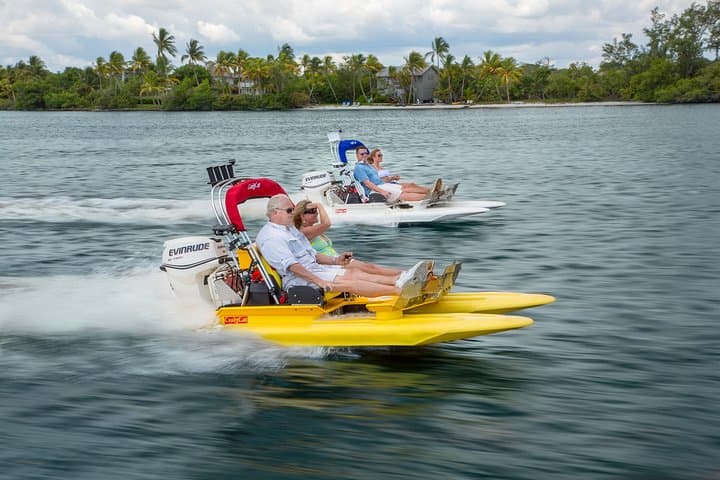


The motor hums low and steady as two aluminum hulls skim a glassy channel, mangrove roots sliding past like the ribs of a sculpted shore. Wind lifts salt off the surface in spindrift; a pod of bottlenose dolphins arcs a few hundred feet ahead and seems to dare you into a closer turn. This is a CraigCat—an agile two-person catamaran built for shoal water—and for 90 to 150 minutes you are both captain and passenger through the braided waterways of the 10,000 Islands.
The motor hums low and steady as two aluminum hulls skim a glassy channel, mangrove roots sliding past like the ribs of a sculpted shore. Wind lifts salt off the surface in spindrift; a pod of bottlenose dolphins arcs a few hundred feet ahead and seems to dare you into a closer turn. This is a CraigCat—an agile two-person catamaran built for shoal water—and for 90 to 150 minutes you are both captain and passenger through the braided waterways of the 10,000 Islands.
The chain of mangrove isles that threads the Gulf of Mexico here is young in geological terms: a shallow carbonate platform shaped by tides, storms, and seagrass beds that trap sediment. Humans have left a deeper trace. The Calusa once navigated these channels in canoes, harvesting fish and shells; later, fishing shacks and shrimp boats marked the horizon. Today the islands sit mostly protected, a working coastline that still supports commercial harvests and an astonishing concentration of wildlife.
A CraigCat gives you a different relationship to the water. Where tour boats keep distance, these light-draft catamarans slip into narrow channels, pushing close to mangrove roots where herons watch with patient eyes and manatees browse in the shallows. The guide runs point in a chase boat while you pilot your own vessel—throttle, lean, and read tide lines. It’s part small-boat education, part wildlife safari: you learn the feel of wind against the hull and how currents will tuck you against a mudflat or shove you sideways around a bend.
Practical matters are straightforward. Tours depart from the Naples area and require two occupants per craft; one driver must be 18+ with a valid license. Boats carry standard USCG safety gear and you’ll get a safety briefing before departure. Note the strict 250 lb per-person weight limit and the policy that discourages pregnant travelers. Timing matters—the best wildlife encounters often come near high tide when dolphins and manatees move into the mangrove mouths, and morning light calms the water for better visibility.
What to bring: sun protection, a wind-blocking layer, water (though bottled water is provided), and a dry bag for phones and cameras. Footwear should be secure but comfortable: you won’t be wading long, but you’ll appreciate a good grip when stepping back onto the dock. If you aim to pilot, be prepared to focus—this is coastal boating with narrow channels and changing conditions, so stay alert and follow your guide.
By the time you turn inland for the dock, the islands seem to shrug off your passage, roots settling back into shade. You’ve seen a sliver of a place that resists rush—where currents and critters decide the day—and you leave with the hands-on memory of steering a craft through that decision-making sea.