THE ADVENTURE COLLECTIVE® · Independent discovery and booking for outdoor travel

A full‑day highland tour from Arequipa to Pillones Waterfalls and the Imata Stone Forest. Expect high‑altitude views, short rocky hikes, volcanic rock formations and village stops for breakfast and lunch.
A full‑day highland tour from Arequipa to Pillones Waterfalls and the Imata Stone Forest. Expect high‑altitude views, short rocky hikes, volcanic rock formations and village stops for breakfast and lunch.
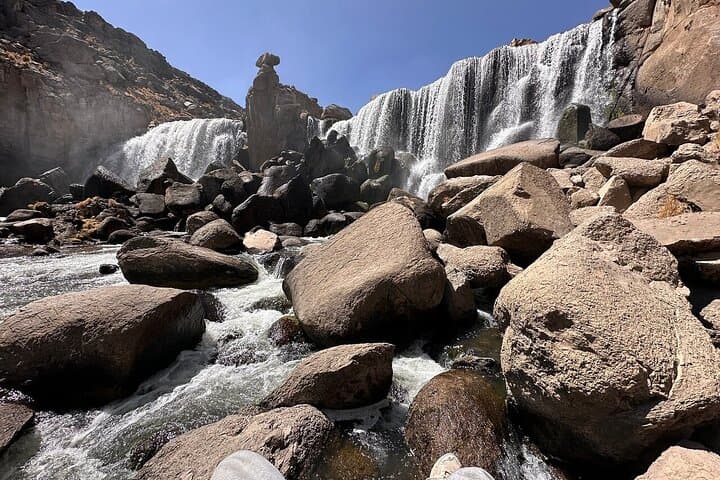
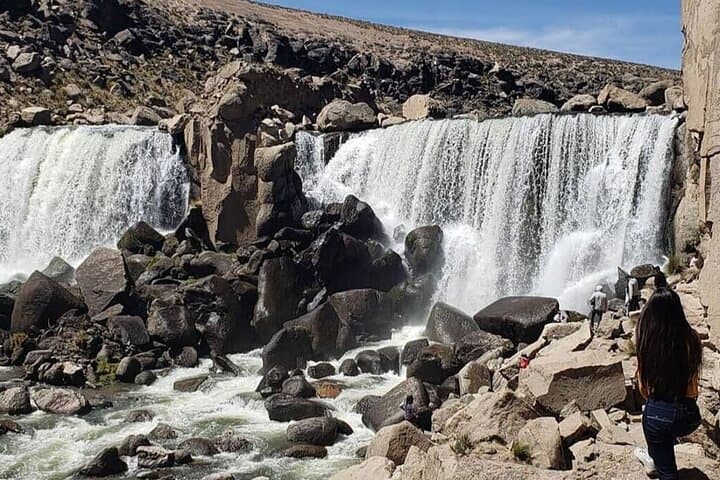
The morning light over the altiplano is thin and cool as a minibus leaves Arequipa and climbs toward 4,600 meters. Clouds skitter across flat volcanic plateaus; the driver navigates low stone walls and scattered grazing llamas. At the trailhead a wind-dulled silence opens, and the walk down to Pillones feels like stepping into an ancient carving — water daring the rock to give way.
Verified experiences and guided adventures in the surrounding area.
Operated by Machupicchu Holiday · Arequipa, Arequipa
The morning light over the altiplano is thin and cool as a minibus leaves Arequipa and climbs toward 4,600 meters. Clouds skitter across flat volcanic plateaus; the driver navigates low stone walls and scattered grazing llamas. At the trailhead a wind-dulled silence opens, and the walk down to Pillones feels like stepping into an ancient carving — water daring the rock to give way.
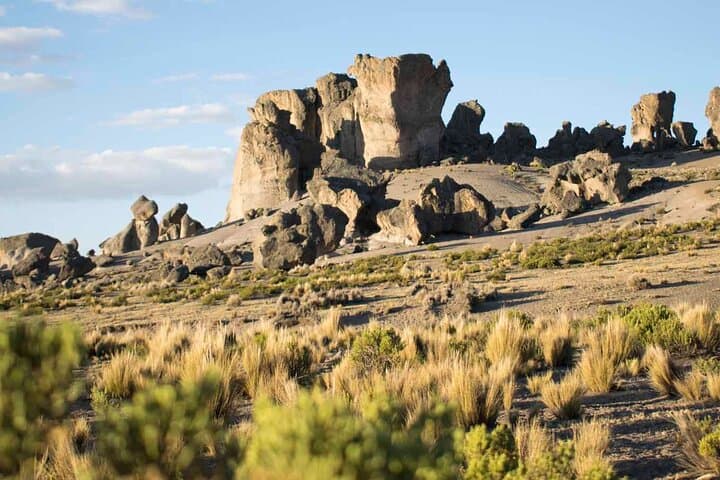
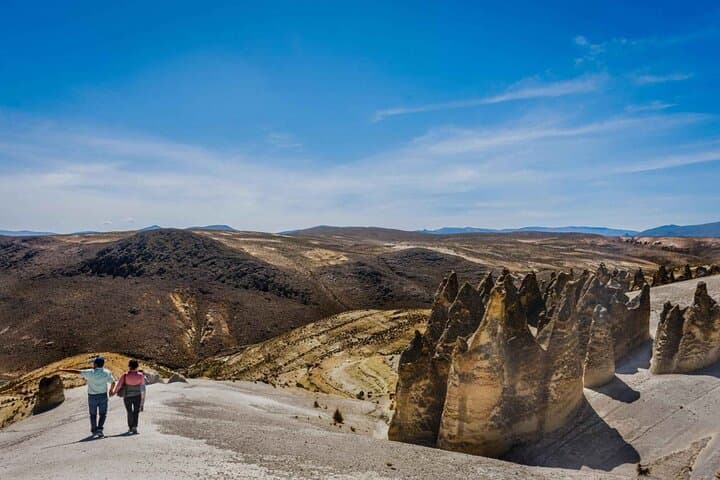
Pillones is a high‑altitude cascade shaped by centuries of erosion; nearby the Imata Stone Forest shows volcanic tuff carved into spires, arches and faces by wind and rain. This landscape reflects Arequipa’s geologic story: rivers cutting through ignimbrite layers deposited by explosive eruptions of the Andes. Culturally, small highland villages like Pampa de Arrieros and Imata preserve Quechua‑influenced farming rhythms — expect simple markets, local bread and a quiet hospitality at roadside stops.
Practically, the tour is a long day (about 11 hours) with a focused 30‑minute downhill hike to the waterfall across rocky, sometimes loose footing. Altitude is the chief challenge: pace yourself, sip water frequently, and avoid sudden exertion if you’ve just arrived from sea level. Bring layered clothing for sun, wind and sudden cold, a sturdy pair of hiking shoes, sun protection, and a small daypack for snacks and camera gear. Photographers will find dramatic compositions among the stone forest; hikers will appreciate short bursts of exploration rather than a long trek. Return to Arequipa is by road mid‑evening. For travelers who want an accessible, geology‑rich highland experience, this day tour delivers rugged scenery, cultural touches and clear reminders of the Andes’ shaping power.
moderate.
10–12 hours.
Good aerobic baseline recommended; able to walk 30 minutes on uneven terrain and cope with high altitude.
The on‑site hike is short (about 30 minutes downhill and back) but uneven and rocky; it’s rated moderate mainly due to altitude and footing.
Lunch is not included; the itinerary stops at Imata village where you can buy local meals, so bring cash or snacks if preferred.
Yes—Pillones sits around 4,600 m. Acclimatize in Arequipa for 24–48 hours, hydrate, avoid alcohol and descend if symptoms worsen.
The dry season (April–October) offers clearer skies and firmer trails; the wet season (Dec–Mar) brings afternoon showers that can make trails slippery.
The region’s volcanic layers originate from Pleistocene and Holocene eruptions; local towns have long practiced highland herding and terraced agriculture.
Stick to established paths and avoid collecting rock fragments; the fragile highland ecosystem recovers slowly from trampling and littering.
Machupicchu Holiday operates guided outdoor trips and adventures with an emphasis on safety, stewardship, and memorable experiences.
The morning light over the altiplano is thin and cool as a minibus leaves Arequipa and climbs toward 4,600 meters. Clouds skitter across flat volcanic plateaus; the driver navigates low stone walls and scattered grazing llamas. At the trailhead a wind-dulled silence opens, and the walk down to Pillones feels like stepping into an ancient carving — water daring the rock to give way.
The morning light over the altiplano is thin and cool as a minibus leaves Arequipa and climbs toward 4,600 meters. Clouds skitter across flat volcanic plateaus; the driver navigates low stone walls and scattered grazing llamas. At the trailhead a wind-dulled silence opens, and the walk down to Pillones feels like stepping into an ancient carving — water daring the rock to give way.
Pillones is a high‑altitude cascade shaped by centuries of erosion; nearby the Imata Stone Forest shows volcanic tuff carved into spires, arches and faces by wind and rain. This landscape reflects Arequipa’s geologic story: rivers cutting through ignimbrite layers deposited by explosive eruptions of the Andes. Culturally, small highland villages like Pampa de Arrieros and Imata preserve Quechua‑influenced farming rhythms — expect simple markets, local bread and a quiet hospitality at roadside stops.
Practically, the tour is a long day (about 11 hours) with a focused 30‑minute downhill hike to the waterfall across rocky, sometimes loose footing. Altitude is the chief challenge: pace yourself, sip water frequently, and avoid sudden exertion if you’ve just arrived from sea level. Bring layered clothing for sun, wind and sudden cold, a sturdy pair of hiking shoes, sun protection, and a small daypack for snacks and camera gear. Photographers will find dramatic compositions among the stone forest; hikers will appreciate short bursts of exploration rather than a long trek. Return to Arequipa is by road mid‑evening. For travelers who want an accessible, geology‑rich highland experience, this day tour delivers rugged scenery, cultural touches and clear reminders of the Andes’ shaping power.