THE ADVENTURE COLLECTIVE® · Independent discovery and booking for outdoor travel

A full‑day outing from Arequipa that combines a steep, adventurous descent to the Pillones waterfalls with a visit to the otherworldly Imata stone forest. Expect uneven volcanic terrain, strong photo opportunities, and a hearty local lunch in Patahuasi.
A full‑day outing from Arequipa that combines a steep, adventurous descent to the Pillones waterfalls with a visit to the otherworldly Imata stone forest. Expect uneven volcanic terrain, strong photo opportunities, and a hearty local lunch in Patahuasi.
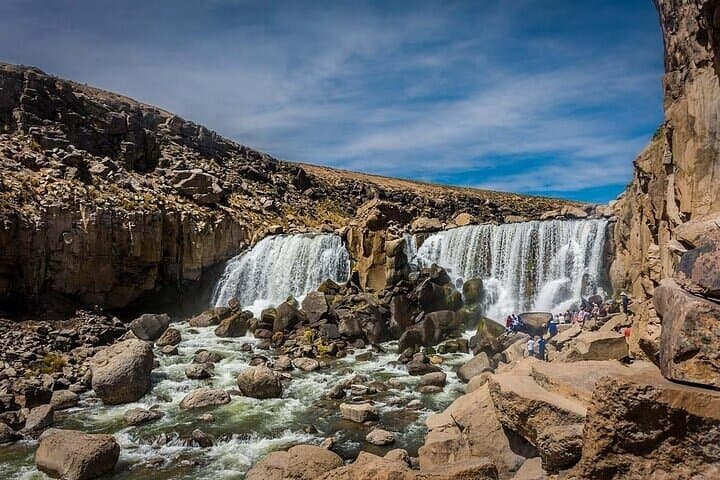
At first light the van slips out of Arequipa, the city’s volcanic skyline shrinking as the high plain opens. By mid‑morning you’re at Patahuasi, cupping steaming coca tea and watching wind shape the scrub. The route drops into a narrow gorge where water has carved channels through volcanic rock; after a cautious, steep hour you arrive at Pillones, a set of falls that demand careful footing and reward you with tight, photogenic cascades and raw, stony amphitheaters.
Verified experiences and guided adventures in the surrounding area.
Operated by Zarate Adventours · Arequipa, Arequipa
At first light the van slips out of Arequipa, the city’s volcanic skyline shrinking as the high plain opens. By mid‑morning you’re at Patahuasi, cupping steaming coca tea and watching wind shape the scrub. The route drops into a narrow gorge where water has carved channels through volcanic rock; after a cautious, steep hour you arrive at Pillones, a set of falls that demand careful footing and reward you with tight, photogenic cascades and raw, stony amphitheaters.
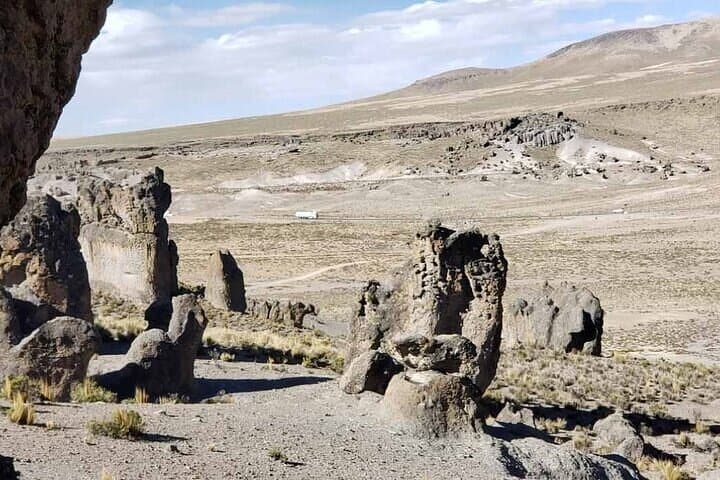
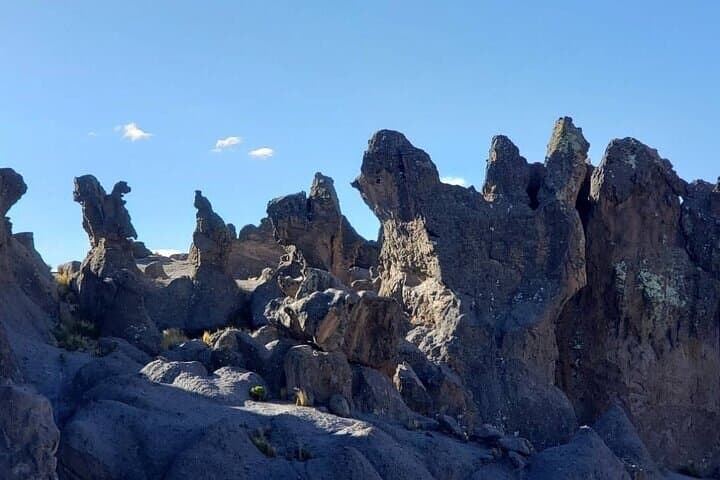
Geology is plain here: layered andesite and tuff, scorched by ancient eruptions and patient rivers, now sculpted into columns and bowls. The nearby Imata stone forest—rock pillars eroded into whimsical shapes—reads like a slow, stone language written by water and wind. Local communities in Caylloma maintain traditional practices; coca tea is offered to ease thin‑air effects and the lunch in Patahuasi highlights regional staples.
Expect rough, uneven terrain and sections that are slippery when wet; the approach is physically moderate but technically uneven. Photographers will love low-angle light on the rocks; hikers should plan for sun, wind, and sudden temperature swings. Bring layers, good boots, and extra water; allow time for acclimatization in Arequipa ahead of the full‑day outing. The trip runs about 10 hours roundtrip with hotel pickup and returns late afternoon—an efficient window to experience high‑desert waterfalls and a stone forest without an overnight stay.
moderate.
10 hours.
Moderate fitness—comfortable with an hour of steep downhill/uphill on uneven terrain and several hours of walking.
The downhill approach is about one hour each way on uneven, rocky terrain; overall tour time is roughly 10 hours including transport and stops.
The route requires steady footing and is not suitable for people with serious mobility limitations; children able to handle uneven trails may join with supervision.
The area is high altitude—guests are advised to acclimatize in Arequipa, stay hydrated, and use coca tea if needed; those with heart or respiratory conditions should consult a doctor.
Yes; both stops are highly photogenic—bring a compact tripod and weather protection for gear as mist and dust are common.
The region sits on young volcanic geology tied to the Central Volcanic Zone; local communities retain Quechua‑influenced customs including coca use for altitude relief.
Stay on established paths to prevent erosion of fragile rock and soil; pack out waste and avoid climbing fragile stone formations to preserve them for future visitors.
Zarate Adventours operates guided outdoor trips and adventures with an emphasis on safety, stewardship, and memorable experiences.
At first light the van slips out of Arequipa, the city’s volcanic skyline shrinking as the high plain opens. By mid‑morning you’re at Patahuasi, cupping steaming coca tea and watching wind shape the scrub. The route drops into a narrow gorge where water has carved channels through volcanic rock; after a cautious, steep hour you arrive at Pillones, a set of falls that demand careful footing and reward you with tight, photogenic cascades and raw, stony amphitheaters.
At first light the van slips out of Arequipa, the city’s volcanic skyline shrinking as the high plain opens. By mid‑morning you’re at Patahuasi, cupping steaming coca tea and watching wind shape the scrub. The route drops into a narrow gorge where water has carved channels through volcanic rock; after a cautious, steep hour you arrive at Pillones, a set of falls that demand careful footing and reward you with tight, photogenic cascades and raw, stony amphitheaters.
Geology is plain here: layered andesite and tuff, scorched by ancient eruptions and patient rivers, now sculpted into columns and bowls. The nearby Imata stone forest—rock pillars eroded into whimsical shapes—reads like a slow, stone language written by water and wind. Local communities in Caylloma maintain traditional practices; coca tea is offered to ease thin‑air effects and the lunch in Patahuasi highlights regional staples.
Expect rough, uneven terrain and sections that are slippery when wet; the approach is physically moderate but technically uneven. Photographers will love low-angle light on the rocks; hikers should plan for sun, wind, and sudden temperature swings. Bring layers, good boots, and extra water; allow time for acclimatization in Arequipa ahead of the full‑day outing. The trip runs about 10 hours roundtrip with hotel pickup and returns late afternoon—an efficient window to experience high‑desert waterfalls and a stone forest without an overnight stay.