THE ADVENTURE COLLECTIVE® · Independent discovery and booking for outdoor travel

Set out from Arequipa for a full-day journey across the highlands to Pillones Waterfall and the Imata Stone Forest. This tour pairs short, rocky walks with striking volcanic geology and panoramic views of Misti, Chachani and Pichu Pichu.
Set out from Arequipa for a full-day journey across the highlands to Pillones Waterfall and the Imata Stone Forest. This tour pairs short, rocky walks with striking volcanic geology and panoramic views of Misti, Chachani and Pichu Pichu.
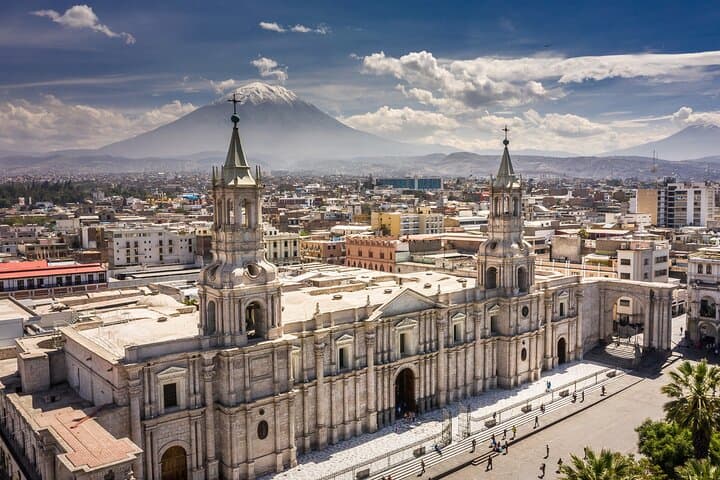
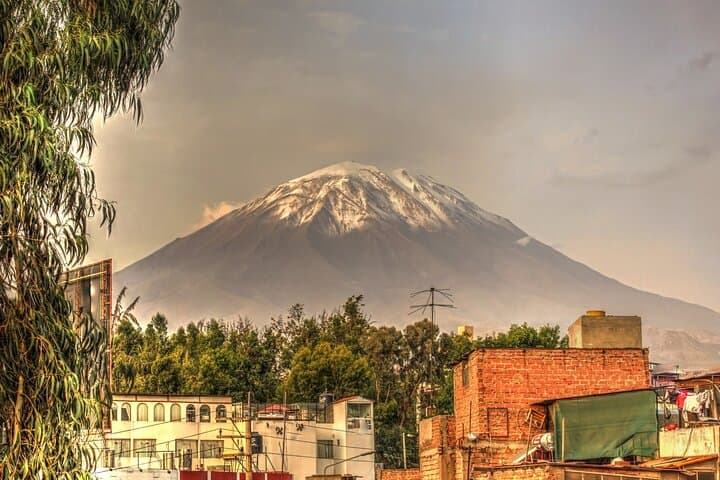
The bus slips out of Arequipa before sunrise, volcanic silhouettes—Misti, Chachani and Pichu Pichu—cutting the pale sky. Highland air thins and sharpens the colors: rust-red soils, blackened lava outcrops and a ribbon of road that leads toward Pillones. A short stop in Patahuasi offers coca mate and a moment to loosen lungs and legs before the walk begins.
Verified experiences and guided adventures in the surrounding area.
Operated by Aremika Travel · Arequipa, Arequipa
The bus slips out of Arequipa before sunrise, volcanic silhouettes—Misti, Chachani and Pichu Pichu—cutting the pale sky. Highland air thins and sharpens the colors: rust-red soils, blackened lava outcrops and a ribbon of road that leads toward Pillones. A short stop in Patahuasi offers coca mate and a moment to loosen lungs and legs before the walk begins.
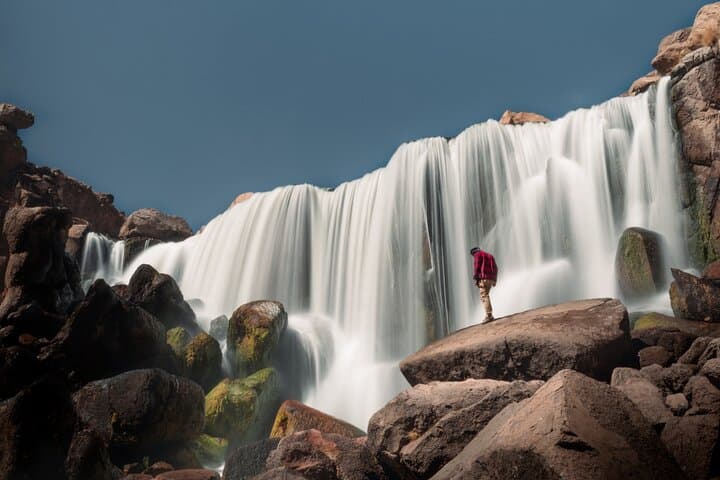
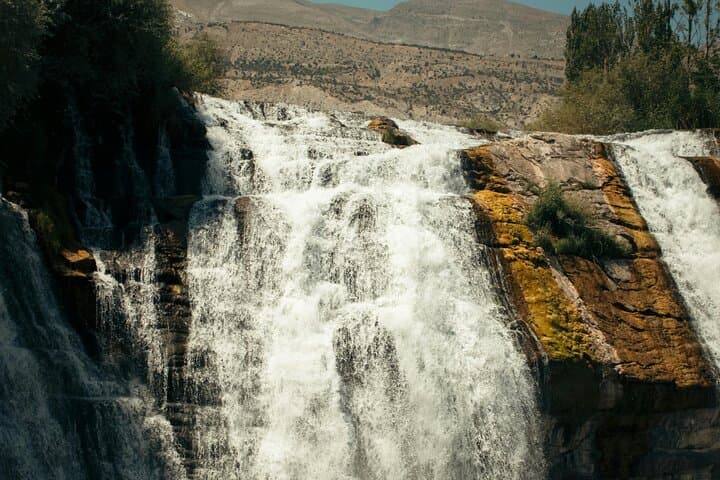
Pillones Fall drops into a pocket of volcanic rock, a cool, persistent line of water carving steps into basalt and tuff. The descent is brief—about 1 km from the trailhead—but the path is rocky and uneven; the waterfall sits framed by sculpted cliffs that photographers favor for contrast and texture. Later the Imata Stone Forest unfolds: wind-polished pillars and mushroom rocks formed from ash deposits cemented by mineral-rich winds. This landscape illustrates high Andean geomorphology—recent volcanism shaped by persistent freeze-thaw and wind erosion.
Local guides explain the area's grazing traditions and the practical folklore of mountain weather; shepherds still move llamas and alpacas across these puna slopes. Expect clear, sun-intense days and sudden gusts that push at you as you walk—the terrain has personality and it will test your attention.
Practical notes: the full-day outing runs roughly 9–10 hours round-trip from Arequipa, with moderate walking at high altitude (3,500–4,000 m). Wear sturdy shoes with traction, bring layered clothing, sunscreen and 2+ liters of water. A boxed lunch and transport are typically included, but carry extra snacks and a light rain shell. Leave early to avoid afternoon weather shifts and plan a gentle acclimatization day in Arequipa if you’ve just arrived.
moderate.
9–10 hours.
Moderate fitness; able to walk on uneven, rocky trails and tolerate high altitude for short periods.
The trailhead is about 1 km from the parking area; the descent and exploration at the base typically take 45–90 minutes depending on how much you photograph and explore.
Yes—sites visited sit in the high Andean puna (roughly 3,500–4,000 m). Brief acclimatization (rest in Patahuasi, coca mate) helps, but if you have severe altitude sensitivity consult a doctor first.
Most tours include tourist transport, a boxed lunch, bilingual guide and admission to sites—confirm any dietary needs at booking.
Closed-toe hiking shoes with good tread are recommended due to rocky, sometimes loose volcanic surfaces and short uneven descents.
The area reflects recent volcanic activity of the Central Volcanic Zone; local highland communities have long used the puna for seasonal grazing and transport routes connecting Arequipa to interior valleys.
Stick to established trails and avoid climbing fragile rock formations; the fragile volcanic soils and unique rock pillars are vulnerable to erosion from off-trail traffic.
Aremika Travel operates guided outdoor trips and adventures with an emphasis on safety, stewardship, and memorable experiences.
The bus slips out of Arequipa before sunrise, volcanic silhouettes—Misti, Chachani and Pichu Pichu—cutting the pale sky. Highland air thins and sharpens the colors: rust-red soils, blackened lava outcrops and a ribbon of road that leads toward Pillones. A short stop in Patahuasi offers coca mate and a moment to loosen lungs and legs before the walk begins.
The bus slips out of Arequipa before sunrise, volcanic silhouettes—Misti, Chachani and Pichu Pichu—cutting the pale sky. Highland air thins and sharpens the colors: rust-red soils, blackened lava outcrops and a ribbon of road that leads toward Pillones. A short stop in Patahuasi offers coca mate and a moment to loosen lungs and legs before the walk begins.
Pillones Fall drops into a pocket of volcanic rock, a cool, persistent line of water carving steps into basalt and tuff. The descent is brief—about 1 km from the trailhead—but the path is rocky and uneven; the waterfall sits framed by sculpted cliffs that photographers favor for contrast and texture. Later the Imata Stone Forest unfolds: wind-polished pillars and mushroom rocks formed from ash deposits cemented by mineral-rich winds. This landscape illustrates high Andean geomorphology—recent volcanism shaped by persistent freeze-thaw and wind erosion.
Local guides explain the area's grazing traditions and the practical folklore of mountain weather; shepherds still move llamas and alpacas across these puna slopes. Expect clear, sun-intense days and sudden gusts that push at you as you walk—the terrain has personality and it will test your attention.
Practical notes: the full-day outing runs roughly 9–10 hours round-trip from Arequipa, with moderate walking at high altitude (3,500–4,000 m). Wear sturdy shoes with traction, bring layered clothing, sunscreen and 2+ liters of water. A boxed lunch and transport are typically included, but carry extra snacks and a light rain shell. Leave early to avoid afternoon weather shifts and plan a gentle acclimatization day in Arequipa if you’ve just arrived.