THE ADVENTURE COLLECTIVE® · Independent discovery and booking for outdoor travel

A full‑day excursion from Arequipa that combines a steep, hour‑long hike to the Pillones waterfall with a visit to the Imata stone forest—expect carved volcanic rock, narrow access routes, and a bilingual guide. Bring sturdy boots and altitude precautions.
A full‑day excursion from Arequipa that combines a steep, hour‑long hike to the Pillones waterfall with a visit to the Imata stone forest—expect carved volcanic rock, narrow access routes, and a bilingual guide. Bring sturdy boots and altitude precautions.
Morning light slips off Arequipa’s white volcanic facades as a minivan eases out of the city at 6:30 a.m., and the Andes begin to spread their ribs of volcanic rock. By mid‑morning you’ll arrive near Patahuasi, sip a cup of coca tea to steady your breathing, then descend a steep, hour‑long path where water and wind have carved thousands of sculpted boulders.
Verified experiences and guided adventures in the surrounding area.
Operated by Chullos Travel Peru · Arequipa, Arequipa
Morning light slips off Arequipa’s white volcanic facades as a minivan eases out of the city at 6:30 a.m., and the Andes begin to spread their ribs of volcanic rock. By mid‑morning you’ll arrive near Patahuasi, sip a cup of coca tea to steady your breathing, then descend a steep, hour‑long path where water and wind have carved thousands of sculpted boulders.
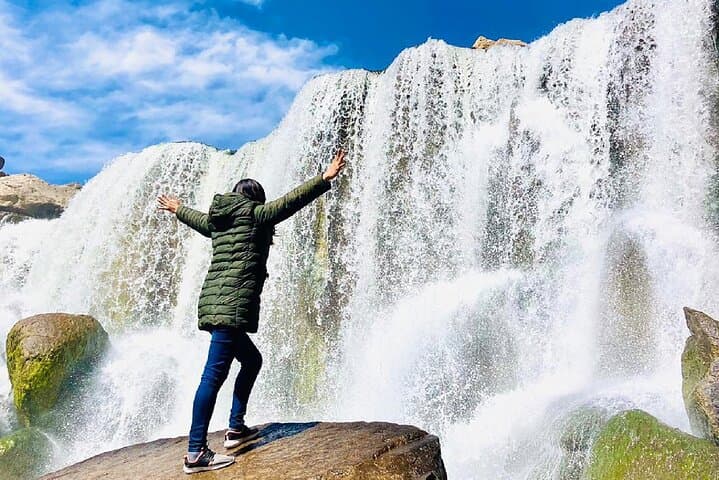
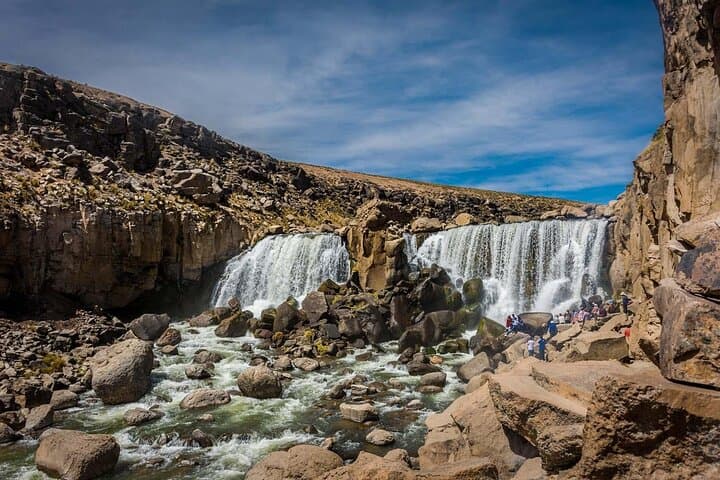
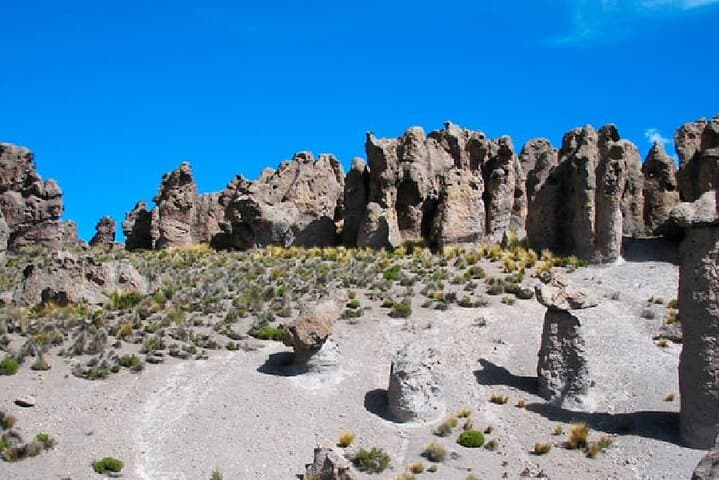
The Pillones falls arrive quietly: a narrow cascade cutting through a labyrinth of fluted stone. Rocks here tell the region’s geology—layers of volcanic ash and riverine erosion shaped over millennia—while the nearby Imata “stone forest” features vertical pillars and rounded formations that invite playful poses and careful exploration.
This route threads cultural and natural history. The Caylloma area carries Andean grazing traditions and colonial-era agricultural terraces; coca tea remains a local, practical counter to altitude’s edge. Guides on the tour are bilingual and provide round‑trip transport from downtown Arequipa, keeping the day efficient but physically active.
Expect uneven footing, narrow ledges and a short but steep descent to the falls; return climbs can be tiring at altitude. Carry 1–2 liters of water, wear grippy boots, and plan for sun and wind by layering. Photography rewards patience—soft light picks out the stone lines—and modest local restaurants in Patahuasi provide a simple lunch before the drive back, arriving in Arequipa late afternoon.
Practical: the excursion is a full‑day outing (roughly 10–11 hours total including transfers), requires moderate fitness, and is best timed for clear weather when the trail is less slippery.
moderate.
10–11 hours.
Users should have a moderate level of fitness—able to manage a steep 1‑hour downhill and a strenuous uphill return at high elevation.
The marked descent to Pillones is roughly one hour downhill, with the return climb taking longer depending on pace and altitude adjustment.
The route involves steep, uneven terrain and narrow sections; children and older adults should assess mobility and may prefer to stay at viewpoints rather than attempt the full descent.
Round‑trip transportation from downtown Arequipa and a bilingual guide are included; lunch in Patahuasi is provided as part of the itinerary.
Arequipa sits around 2,300 m and surrounding highlands can be higher—allow time to acclimatize, stay hydrated, and use coca tea if needed; those with severe altitude issues should consult a doctor.
The Caylloma province has long been a crossroads of Andean pastoralism; stone formations are the product of volcanic deposits and persistent fluvial erosion, and local villages maintain Quechua‑influenced traditions.
Stay on defined paths to protect fragile rock formations and dry puna vegetation; carry out all waste and respect local grazing areas to minimize impact.
Chullos Travel Peru operates guided outdoor trips and adventures with an emphasis on safety, stewardship, and memorable experiences.
Morning light slips off Arequipa’s white volcanic facades as a minivan eases out of the city at 6:30 a.m., and the Andes begin to spread their ribs of volcanic rock. By mid‑morning you’ll arrive near Patahuasi, sip a cup of coca tea to steady your breathing, then descend a steep, hour‑long path where water and wind have carved thousands of sculpted boulders.
Morning light slips off Arequipa’s white volcanic facades as a minivan eases out of the city at 6:30 a.m., and the Andes begin to spread their ribs of volcanic rock. By mid‑morning you’ll arrive near Patahuasi, sip a cup of coca tea to steady your breathing, then descend a steep, hour‑long path where water and wind have carved thousands of sculpted boulders.
The Pillones falls arrive quietly: a narrow cascade cutting through a labyrinth of fluted stone. Rocks here tell the region’s geology—layers of volcanic ash and riverine erosion shaped over millennia—while the nearby Imata “stone forest” features vertical pillars and rounded formations that invite playful poses and careful exploration.
This route threads cultural and natural history. The Caylloma area carries Andean grazing traditions and colonial-era agricultural terraces; coca tea remains a local, practical counter to altitude’s edge. Guides on the tour are bilingual and provide round‑trip transport from downtown Arequipa, keeping the day efficient but physically active.
Expect uneven footing, narrow ledges and a short but steep descent to the falls; return climbs can be tiring at altitude. Carry 1–2 liters of water, wear grippy boots, and plan for sun and wind by layering. Photography rewards patience—soft light picks out the stone lines—and modest local restaurants in Patahuasi provide a simple lunch before the drive back, arriving in Arequipa late afternoon.
Practical: the excursion is a full‑day outing (roughly 10–11 hours total including transfers), requires moderate fitness, and is best timed for clear weather when the trail is less slippery.