THE ADVENTURE COLLECTIVE® · Independent discovery and booking for outdoor travel

Walk in the footsteps of Saint Patrick on a guided half-day pilgrimage from the Saint Patrick Centre to Saul, visiting the Quoile River, Inch Abbey and enjoying a Pilgrim's Lunch at The Barn.
Walk in the footsteps of Saint Patrick on a guided half-day pilgrimage from the Saint Patrick Centre to Saul, visiting the Quoile River, Inch Abbey and enjoying a Pilgrim's Lunch at The Barn.
You step out of the Saint Patrick Centre into cool coastal air and a landscape that still feels close to the early medieval world—stone walls, low hedgerows and the Quoile River threading a salt-flats estuary. The guide slips a short history into the rhythm of the walk: in 432 AD Patrick came ashore here, established a small wooden church and the area became an odd mix of quiet agriculture and living pilgrimage.
Verified experiences and guided adventures in the surrounding area.
Operated by The Saint Patrick Centre · Downpatrick, County Down
You step out of the Saint Patrick Centre into cool coastal air and a landscape that still feels close to the early medieval world—stone walls, low hedgerows and the Quoile River threading a salt-flats estuary. The guide slips a short history into the rhythm of the walk: in 432 AD Patrick came ashore here, established a small wooden church and the area became an odd mix of quiet agriculture and living pilgrimage.
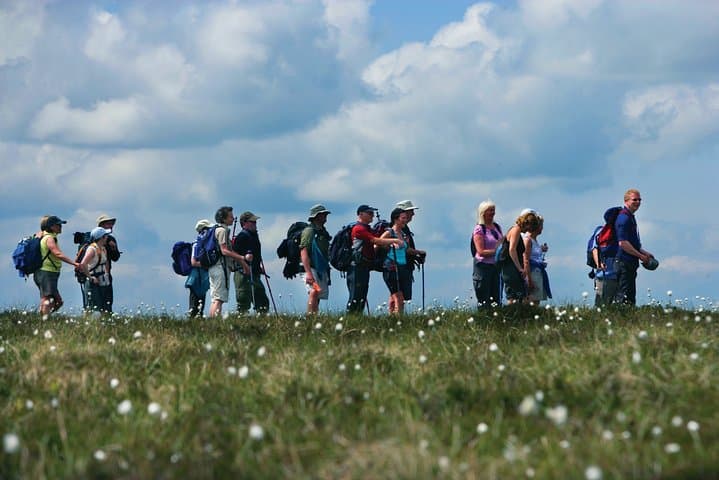
Geology here is modest but telling: glacial tills and estuarine muds give way to drained meadow and reclaimed saltmarsh, producing flat walking with occasional firm gravel tracks. You’ll move 6–10 km over paths and quiet country roads with little sustained elevation (expect roughly 50–150 m of rolling gain), stopping at the Saint Patrick Centre for an Imax presentation, the Quoile River shore, Inch Abbey’s ruined stones, and the early church site at Saul.
Culture is immediate—Cistercian accounts at Inch Abbey recorded the local legends, and The Barn at Saul serves a Pilgrim’s Lunch of soup, sandwiches, tea and coffee that echoes simple monastic fare. Birdlife and estuary waters add wildlife chapters to the route, so binoculars are useful.
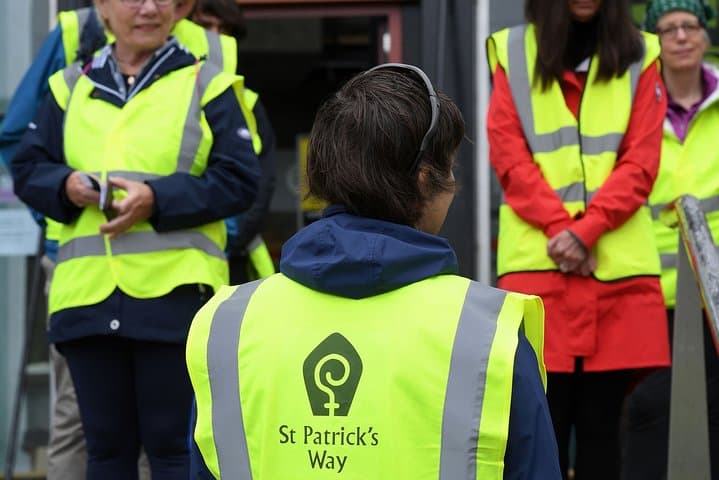
Practical guidance: start in the morning at the Saint Patrick Centre, wear waterproof layers and sturdy walking shoes, bring a small daypack with water and wind protection, and allow 4–5 hours including guided stops. Public transport options exist near the centre; tours keep groups small and observe social distancing. This half-day balances quiet hiking, focused history, and a proper local lunch.
moderate.
4–5 hours.
Participants should be comfortable walking 6–10 km on uneven surfaces with short road sections; a moderate fitness level is required.
The tour starts at the Saint Patrick Centre in Downpatrick; the guided route returns via key sites and includes lunch at The Barn in Saul.
Yes—Pilgrim's Lunch (soup, sandwiches, tea and coffee) at The Barn at Saul is included in the tour price.
The route is family-friendly but requires moderate fitness; it's not recommended for people with significant mobility, spinal or serious heart conditions.
Yes—Downpatrick has local bus connections and the Saint Patrick Centre is within walking distance of town bus stops; check local timetables for schedules.
Downpatrick and nearby Saul are central to the story of Saint Patrick—local tradition places Patrick’s arrival in 432 AD and marks the site of his first church and burial associations.
The route crosses sensitive estuary habitats and archaeological sites—stay on marked paths, avoid disturbing wildlife and take litter home to protect both ecology and heritage.
The Saint Patrick Centre operates guided outdoor trips and adventures with an emphasis on safety, stewardship, and memorable experiences.
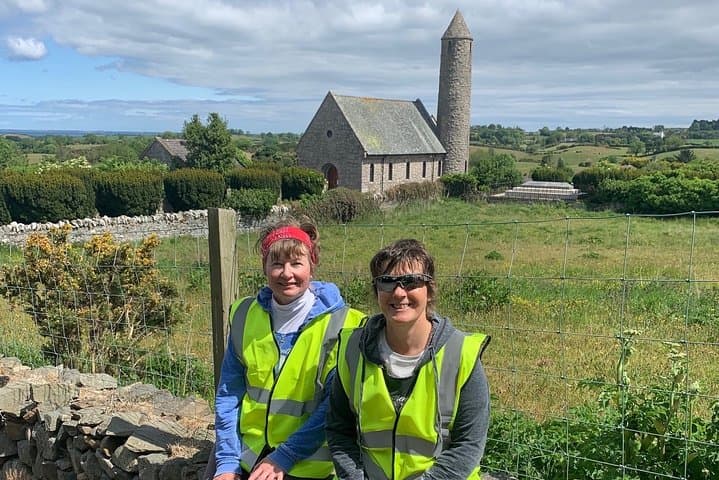
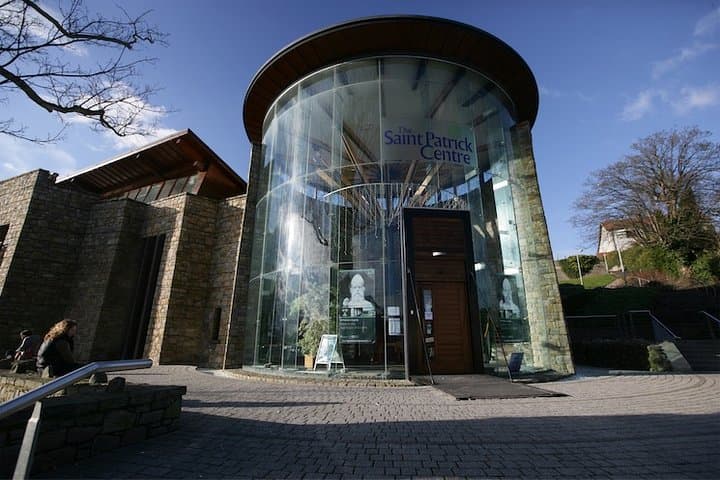
You step out of the Saint Patrick Centre into cool coastal air and a landscape that still feels close to the early medieval world—stone walls, low hedgerows and the Quoile River threading a salt-flats estuary. The guide slips a short history into the rhythm of the walk: in 432 AD Patrick came ashore here, established a small wooden church and the area became an odd mix of quiet agriculture and living pilgrimage.
You step out of the Saint Patrick Centre into cool coastal air and a landscape that still feels close to the early medieval world—stone walls, low hedgerows and the Quoile River threading a salt-flats estuary. The guide slips a short history into the rhythm of the walk: in 432 AD Patrick came ashore here, established a small wooden church and the area became an odd mix of quiet agriculture and living pilgrimage.
Geology here is modest but telling: glacial tills and estuarine muds give way to drained meadow and reclaimed saltmarsh, producing flat walking with occasional firm gravel tracks. You’ll move 6–10 km over paths and quiet country roads with little sustained elevation (expect roughly 50–150 m of rolling gain), stopping at the Saint Patrick Centre for an Imax presentation, the Quoile River shore, Inch Abbey’s ruined stones, and the early church site at Saul.
Culture is immediate—Cistercian accounts at Inch Abbey recorded the local legends, and The Barn at Saul serves a Pilgrim’s Lunch of soup, sandwiches, tea and coffee that echoes simple monastic fare. Birdlife and estuary waters add wildlife chapters to the route, so binoculars are useful.
Practical guidance: start in the morning at the Saint Patrick Centre, wear waterproof layers and sturdy walking shoes, bring a small daypack with water and wind protection, and allow 4–5 hours including guided stops. Public transport options exist near the centre; tours keep groups small and observe social distancing. This half-day balances quiet hiking, focused history, and a proper local lunch.