THE ADVENTURE COLLECTIVE® · Independent discovery and booking for outdoor travel

Walk five miles of docklands where rum, smugglers and press gangs shaped Britain’s maritime rise. This small-group tour visits four historic riverside taverns and stops at sites from Dead Man’s Hole to Execution Dock—an immersive, 3.5-hour urban history walk.
Walk five miles of docklands where rum, smugglers and press gangs shaped Britain’s maritime rise. This small-group tour visits four historic riverside taverns and stops at sites from Dead Man’s Hole to Execution Dock—an immersive, 3.5-hour urban history walk.
The gulls cry and the Thames answers as you step from a modern quay into lanes that still smell faintly of salt and smoke.
Verified experiences and guided adventures in the surrounding area.
Operated by The Great Weekender · London, Greater London
The gulls cry and the Thames answers as you step from a modern quay into lanes that still smell faintly of salt and smoke.
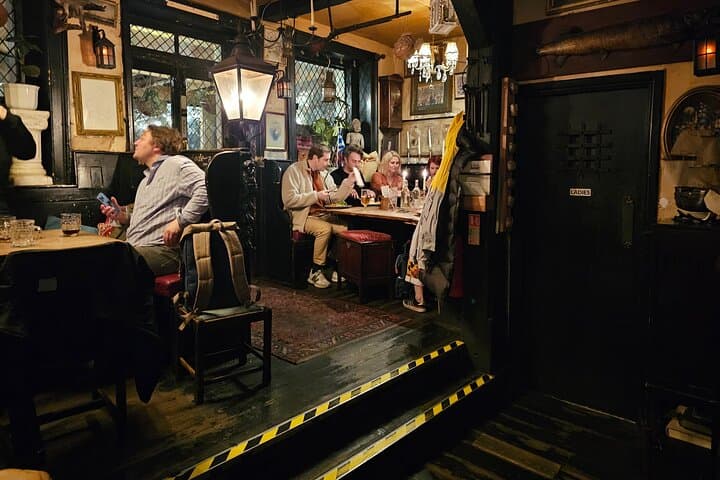
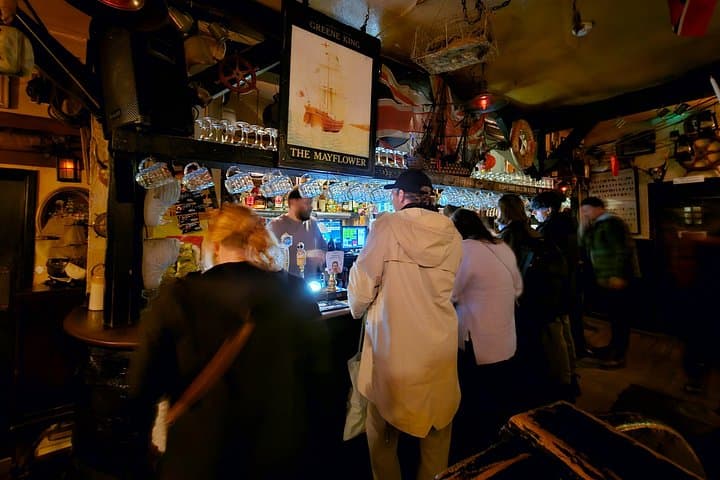
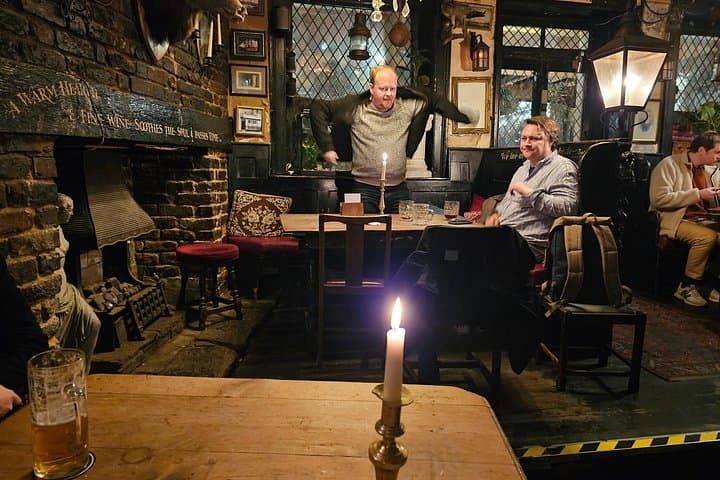
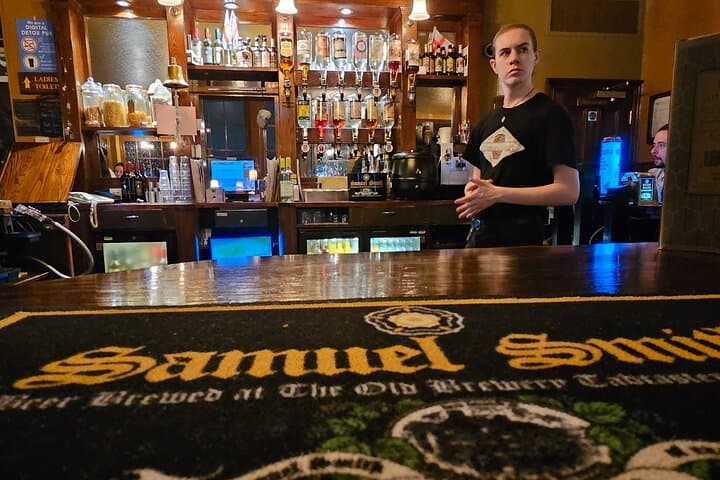
On this 5-mile, small-group walk through London’s docklands you move at a steady pace past brick warehouses, cobbled alleys and riverside taverns where the city’s maritime stories linger in stairwells and tiled bars. The tour threads from Dead Man’s Hole toward Execution Dock, pausing in four history-steeped pubs where guide narration brings press gangs, smugglers and pirate trials into sharp relief.
Geology and commerce shaped this shore: the Thames estuary’s tidal pulse deposited silt that made natural wharves, then human hands piled timber and brick to form the docks that built an empire. Culturally, the East End’s mix of sailors, traders and immigrants turned pubs into information hubs—rum bargains, ship manifests and criminal gossip flowed here as readily as ale.
Expect surviving maritime markers—plaques, churchyards and weathered gangways—rather than pristine ruins. The experience is urban history on foot: sensory, sometimes gritty, always immediate.
Practical guidance: wear sturdy shoes for uneven cobbles, bring a charged phone and contactless card or Oyster for transport, and carry a refillable water bottle. The tour is roughly 3.5 hours, capped at 12 people, and includes interior pub visits (age restrictions may apply). Weather can be changeable—layers help—and much of the route hugs the river, so be prepared for wind. For curious travelers, arrive early to explore a quay or linger at a viewpoint; the Thames keeps offering small revelations.
moderate.
3–4 hours.
Moderate fitness—able to walk 5 miles on varied urban surfaces and stand during pub stops.
The tour lasts about 3.5 hours and covers roughly 5 miles (8 km) along riverside paths and streets.
Drinks are not included; there are stops to purchase food or drink but participants pay individually and must be 18+ where required.
This tour is restricted to 18+ and requires moderate mobility for walking on uneven surfaces; it’s not recommended for those with serious mobility limitations.
Full refund if you cancel at least 24 hours before the scheduled departure; see booking provider for details on last-minute refunds.
The docklands grew from tidal marshes into the engine of Britain’s maritime trade; pubs and docks were central to labor, contraband and naval conscription in the 17th–19th centuries.
Riverside areas balance heritage preservation with flood defenses and urban regeneration; respect interiors, avoid littering and follow local signage to protect fragile riverbanks.
The Great Weekender operates guided outdoor trips and adventures with an emphasis on safety, stewardship, and memorable experiences.
The gulls cry and the Thames answers as you step from a modern quay into lanes that still smell faintly of salt and smoke.
The gulls cry and the Thames answers as you step from a modern quay into lanes that still smell faintly of salt and smoke.
On this 5-mile, small-group walk through London’s docklands you move at a steady pace past brick warehouses, cobbled alleys and riverside taverns where the city’s maritime stories linger in stairwells and tiled bars. The tour threads from Dead Man’s Hole toward Execution Dock, pausing in four history-steeped pubs where guide narration brings press gangs, smugglers and pirate trials into sharp relief.
Geology and commerce shaped this shore: the Thames estuary’s tidal pulse deposited silt that made natural wharves, then human hands piled timber and brick to form the docks that built an empire. Culturally, the East End’s mix of sailors, traders and immigrants turned pubs into information hubs—rum bargains, ship manifests and criminal gossip flowed here as readily as ale.
Expect surviving maritime markers—plaques, churchyards and weathered gangways—rather than pristine ruins. The experience is urban history on foot: sensory, sometimes gritty, always immediate.
Practical guidance: wear sturdy shoes for uneven cobbles, bring a charged phone and contactless card or Oyster for transport, and carry a refillable water bottle. The tour is roughly 3.5 hours, capped at 12 people, and includes interior pub visits (age restrictions may apply). Weather can be changeable—layers help—and much of the route hugs the river, so be prepared for wind. For curious travelers, arrive early to explore a quay or linger at a viewpoint; the Thames keeps offering small revelations.