THE ADVENTURE COLLECTIVE® · Independent discovery and booking for outdoor travel

Combine a panoramic cable car ride, the world’s steepest cogwheel railway and a tranquil Lake Lucerne cruise in one full-day tour. Expect short summit walks, historic Lucerne highlights and big alpine views — all accessible for most fitness levels.
Combine a panoramic cable car ride, the world’s steepest cogwheel railway and a tranquil Lake Lucerne cruise in one full-day tour. Expect short summit walks, historic Lucerne highlights and big alpine views — all accessible for most fitness levels.
You step off the coach into a crisp alpine light that sharpens every ridge and reflects in Lake Lucerne’s dark surface. The cable car pulls you skywards first — a slow, panoramic ascent that opens the valley like a folded map. At the top, Pilatus presides: a mix of jagged outcrops, grassy ledges and carved walking tracks where the wind seems to push you toward the best viewpoints.
Verified experiences and guided adventures in the surrounding area.
Operated by TREVOPEDIA · Lucerne, Canton of Lucerne
You step off the coach into a crisp alpine light that sharpens every ridge and reflects in Lake Lucerne’s dark surface. The cable car pulls you skywards first — a slow, panoramic ascent that opens the valley like a folded map. At the top, Pilatus presides: a mix of jagged outcrops, grassy ledges and carved walking tracks where the wind seems to push you toward the best viewpoints.
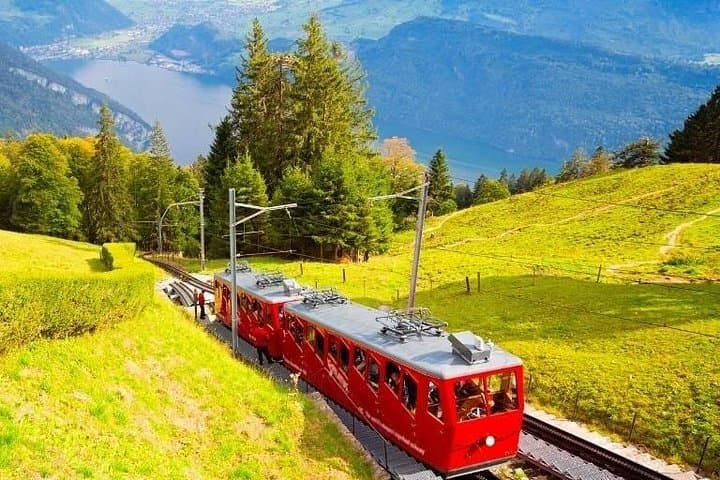
This route stitches together centuries of local engineering and culture. The cogwheel railway — the steepest in the world — began carrying passengers in the late 19th century and remains an engineering highlight, climbing through meadows once used for summer cattle pastures. Lucerne itself grew around the lake; its covered bridges, baroque churches and town hall reflect a trade-rich history focused on waterways and mountain passes.
Geology here is bold: Permian and Mesozoic strata uplifted and scoured by ice give the summit its rocky character, while the lake basin holds glacially polished shores. Local cafés serve alpine cheese and rösti; guides often point out traditional alpine farming practices still visible on slopes.
Practical side: this is a full-day itinerary (roughly 9–10 hours) that mixes transport and short summit strolls. Wear layered footwear for rocky, sometimes wet trails, bring sun protection for exposed viewpoints, and allow extra time for photos and the Lake Lucerne cruise at the end — an easy, restful way to descend through the mountains’ reflection.
Timing tip: mornings are best for clearer summit views; reserve seats early in peak season to avoid crowds.
easy.
9–10 hours.
Suitable for most fitness levels; mostly transport with short, moderate walks at the summit
The tour runs about 9–10 hours and includes panoramic cable cars, the cogwheel railway to Pilatus, guided time at viewpoints, and a Lake Lucerne cruise; transport and select admissions are included.
Yes; the tour notes wheelchair and stroller accessibility for key areas and transport, but summit terrain may have uneven sections — check specific assistance needs with the operator.
Wear layered clothing, a windproof jacket, and sturdy shoes — summit weather is cooler and windier than the lakeside.
Weather can affect visibility and operations; while cancellations are limited, operators may adjust sequence or timings for safety and comfort.
The Pilatus cogwheel railway, opened in 1889 (rebuilt later), is a landmark of Swiss mountain transport; Lucerne’s Chapel Bridge dates to the 14th century and anchors the town’s old quarter.
Operations are certified carbon-balanced by myclimate; visitors are encouraged to stay on marked trails and pack out waste to protect fragile alpine meadows.
TREVOPEDIA operates guided outdoor trips and adventures with an emphasis on safety, stewardship, and memorable experiences.
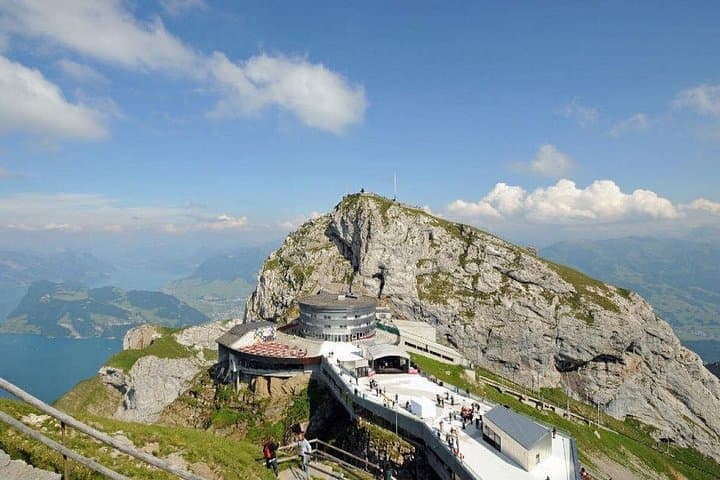
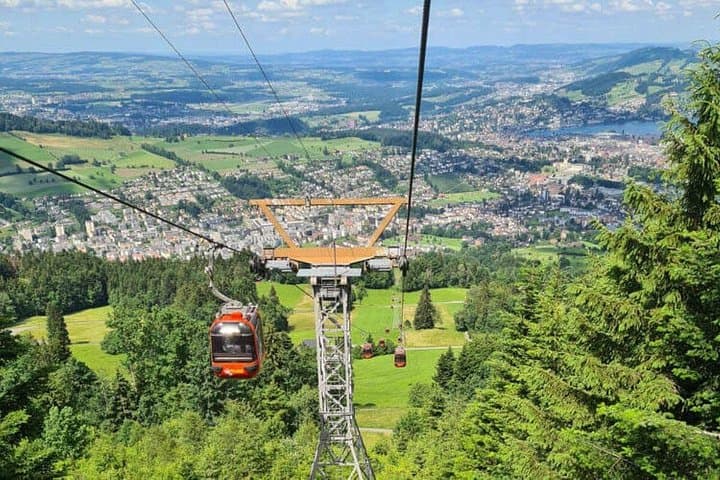
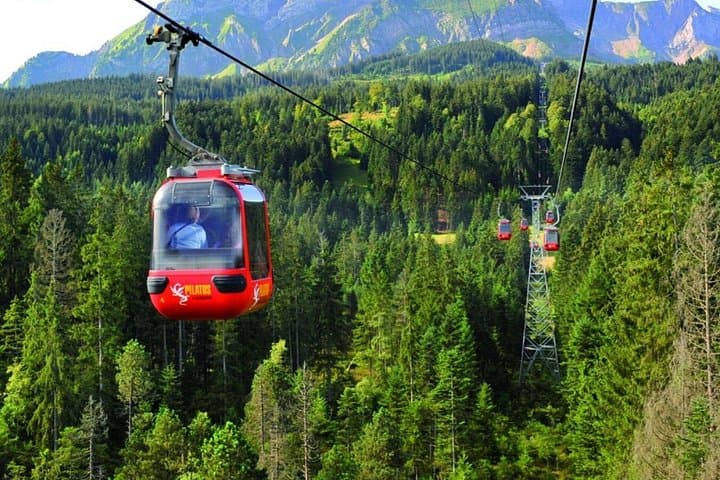
You step off the coach into a crisp alpine light that sharpens every ridge and reflects in Lake Lucerne’s dark surface. The cable car pulls you skywards first — a slow, panoramic ascent that opens the valley like a folded map. At the top, Pilatus presides: a mix of jagged outcrops, grassy ledges and carved walking tracks where the wind seems to push you toward the best viewpoints.
You step off the coach into a crisp alpine light that sharpens every ridge and reflects in Lake Lucerne’s dark surface. The cable car pulls you skywards first — a slow, panoramic ascent that opens the valley like a folded map. At the top, Pilatus presides: a mix of jagged outcrops, grassy ledges and carved walking tracks where the wind seems to push you toward the best viewpoints.
This route stitches together centuries of local engineering and culture. The cogwheel railway — the steepest in the world — began carrying passengers in the late 19th century and remains an engineering highlight, climbing through meadows once used for summer cattle pastures. Lucerne itself grew around the lake; its covered bridges, baroque churches and town hall reflect a trade-rich history focused on waterways and mountain passes.
Geology here is bold: Permian and Mesozoic strata uplifted and scoured by ice give the summit its rocky character, while the lake basin holds glacially polished shores. Local cafés serve alpine cheese and rösti; guides often point out traditional alpine farming practices still visible on slopes.
Practical side: this is a full-day itinerary (roughly 9–10 hours) that mixes transport and short summit strolls. Wear layered footwear for rocky, sometimes wet trails, bring sun protection for exposed viewpoints, and allow extra time for photos and the Lake Lucerne cruise at the end — an easy, restful way to descend through the mountains’ reflection.
Timing tip: mornings are best for clearer summit views; reserve seats early in peak season to avoid crowds.