THE ADVENTURE COLLECTIVE® · Independent discovery and booking for outdoor travel

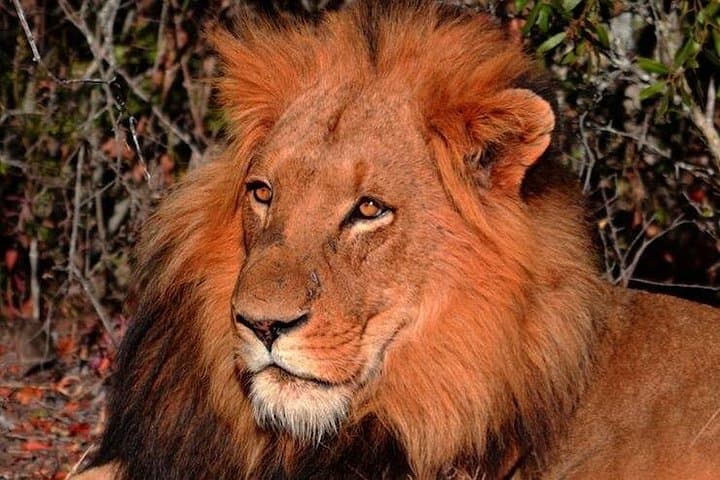
Drive into the crater of a long-extinct volcano and spend a full day tracking lions, elephants and more across alkaline bushveld. This Pilanesberg Wildlife Safari combines Big Five viewing, abundant birdlife and accessible roads for a compelling, family-friendly game-drive experience.
Drive into the crater of a long-extinct volcano and spend a full day tracking lions, elephants and more across alkaline bushveld. This Pilanesberg Wildlife Safari combines Big Five viewing, abundant birdlife and accessible roads for a compelling, family-friendly game-drive experience.
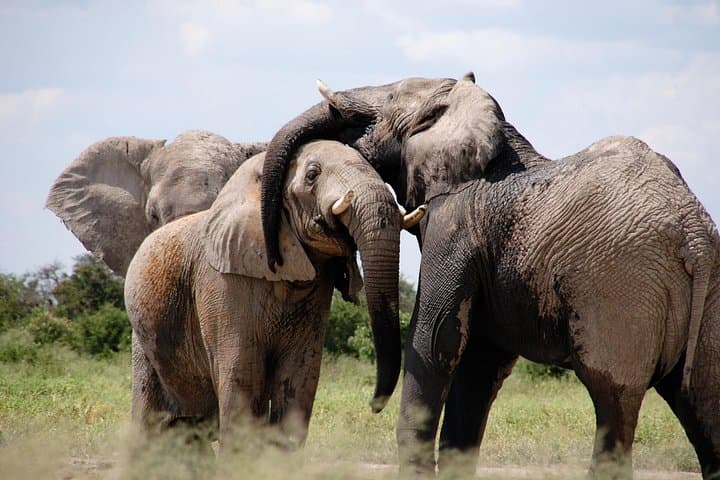
The sun lifts slowly over the rim of an ancient crater and the bushveld wakes in stages: birds brash in the acacias, a bull elephant brews at a watering hole, and heat shimmers off gravel tracks as the safari vehicle eases forward. A Pilanesberg game drive places you inside one of southern Africa’s most unusual arenas—an inverted landscape carved from volcanic forces and populated by Africa’s Big Five.
Verified experiences and guided adventures in the surrounding area.
Operated by TourSouthAfrica · Rustenburg, North West Province
The sun lifts slowly over the rim of an ancient crater and the bushveld wakes in stages: birds brash in the acacias, a bull elephant brews at a watering hole, and heat shimmers off gravel tracks as the safari vehicle eases forward. A Pilanesberg game drive places you inside one of southern Africa’s most unusual arenas—an inverted landscape carved from volcanic forces and populated by Africa’s Big Five.
The park occupies the bowl of a long-extinct volcanic complex formed roughly 1.3 billion years ago; its alkaline soils and rocky ridges shape drainage and grazing patterns that concentrate game. Local culture around Pilanesberg ties to Bakgatla and other Tswana communities, whose crafts and guided knowledge help visitors read spoor and seasonal movements. Birders find over 300 species here, from raptors that quarter the plains to smaller migrants that drop through in summer.
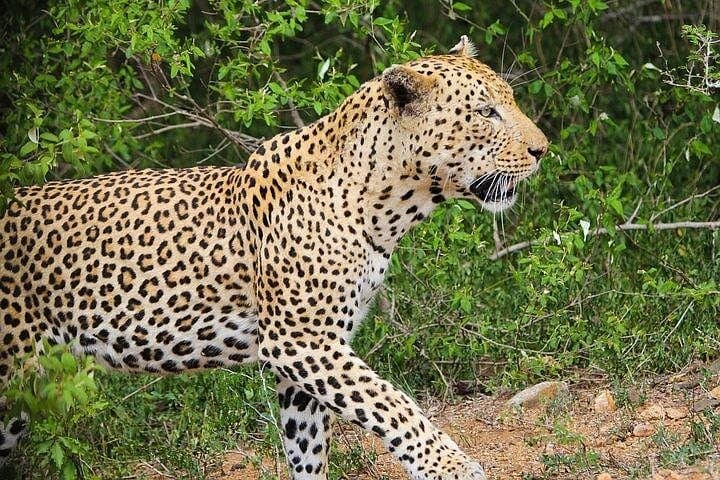
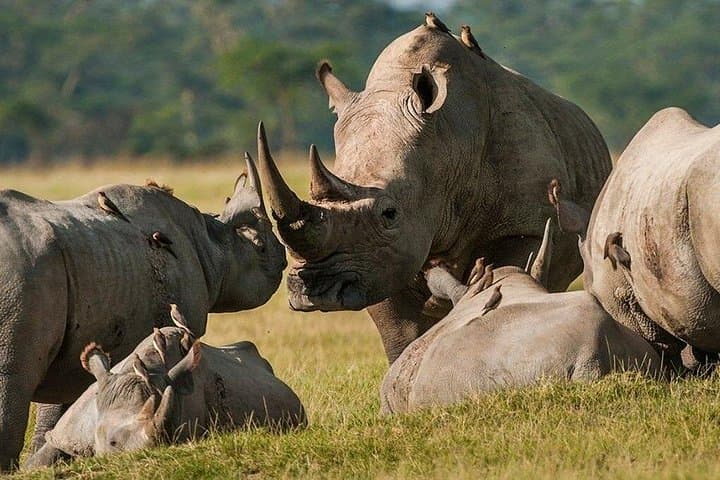
Practically, expect a full day: pickups in Gauteng around dawn, roughly 9–11 hours total including two game-drive blocks and a lunch stop at the visitor centre. Drives follow established roads and hides—stay in the vehicle unless at designated areas. Bring binoculars, sunscreen and layered clothing for cool mornings that heat up fast; hydration and a light lunch are essential (lunch not always included). Vehicles are air-conditioned, but wildlife sightings hinge on patience and positioning, not guarantees—leopards and rhinos can be secretive.
For photographers, the golden hours just after sunrise and before sunset offer the most dramatic light. Respect park rules: remain on roads, avoid noise, and keep distance from animals. With a little preparation, Pilanesberg delivers sustained wildlife viewing within an accessible, malaria-free zone for most travelers.
moderate.
9–11 hours.
Suitable for most fitness levels; requires comfortable sitting and occasional short walks at hides
Most central Pilanesberg areas are considered low to no-malaria, but consult health guidance for preventative measures if you plan extended stays nearby.
No—sightings depend on animal movements, season and luck; guides use experience and park knowledge to maximize opportunities.
Typical inclusions are bottled water, air-conditioned vehicle transport and park entrance fees; meals are usually not included—confirm at booking.
Yes—game drives are low-impact and the vehicles are accessible, though the tour requires long hours and early starts which may be tiring for some.
Pilanesberg occupies the eroded remains of a 1.3-billion-year-old volcanic complex; its geology creates alkaline pockets that shape vegetation and animal distribution.
The park focuses on species reintroductions and responsible viewing—stay on roads, avoid feeding wildlife and support local community-run enterprises to minimize impact.
TourSouthAfrica operates guided outdoor trips and adventures with an emphasis on safety, stewardship, and memorable experiences.
The sun lifts slowly over the rim of an ancient crater and the bushveld wakes in stages: birds brash in the acacias, a bull elephant brews at a watering hole, and heat shimmers off gravel tracks as the safari vehicle eases forward. A Pilanesberg game drive places you inside one of southern Africa’s most unusual arenas—an inverted landscape carved from volcanic forces and populated by Africa’s Big Five.
The sun lifts slowly over the rim of an ancient crater and the bushveld wakes in stages: birds brash in the acacias, a bull elephant brews at a watering hole, and heat shimmers off gravel tracks as the safari vehicle eases forward. A Pilanesberg game drive places you inside one of southern Africa’s most unusual arenas—an inverted landscape carved from volcanic forces and populated by Africa’s Big Five.
The park occupies the bowl of a long-extinct volcanic complex formed roughly 1.3 billion years ago; its alkaline soils and rocky ridges shape drainage and grazing patterns that concentrate game. Local culture around Pilanesberg ties to Bakgatla and other Tswana communities, whose crafts and guided knowledge help visitors read spoor and seasonal movements. Birders find over 300 species here, from raptors that quarter the plains to smaller migrants that drop through in summer.
Practically, expect a full day: pickups in Gauteng around dawn, roughly 9–11 hours total including two game-drive blocks and a lunch stop at the visitor centre. Drives follow established roads and hides—stay in the vehicle unless at designated areas. Bring binoculars, sunscreen and layered clothing for cool mornings that heat up fast; hydration and a light lunch are essential (lunch not always included). Vehicles are air-conditioned, but wildlife sightings hinge on patience and positioning, not guarantees—leopards and rhinos can be secretive.
For photographers, the golden hours just after sunrise and before sunset offer the most dramatic light. Respect park rules: remain on roads, avoid noise, and keep distance from animals. With a little preparation, Pilanesberg delivers sustained wildlife viewing within an accessible, malaria-free zone for most travelers.