THE ADVENTURE COLLECTIVE® · Independent discovery and booking for outdoor travel

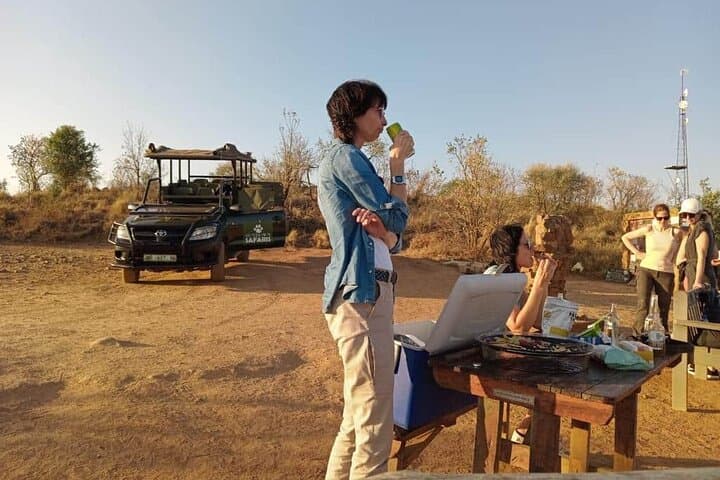
Spend a day in Pilanesberg Nature Reserve chasing the Big Five from an open 4x4 and a closed vehicle, with lunch at a park rest camp. This full-day tour pairs up-close encounters with practical guidance for first-time safari-goers.
Spend a day in Pilanesberg Nature Reserve chasing the Big Five from an open 4x4 and a closed vehicle, with lunch at a park rest camp. This full-day tour pairs up-close encounters with practical guidance for first-time safari-goers.
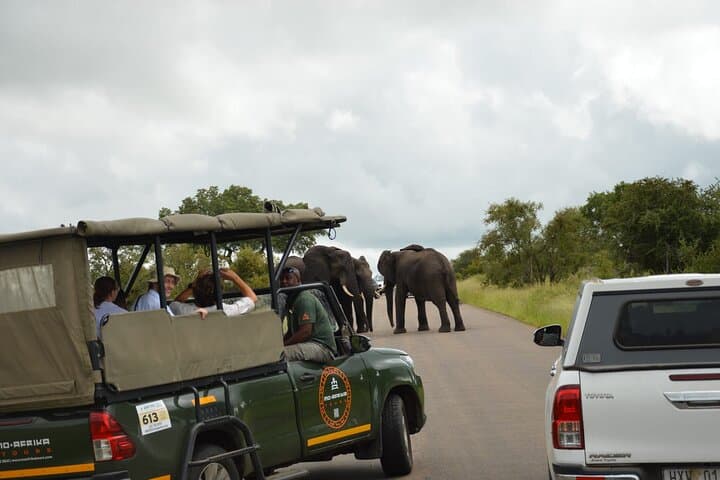
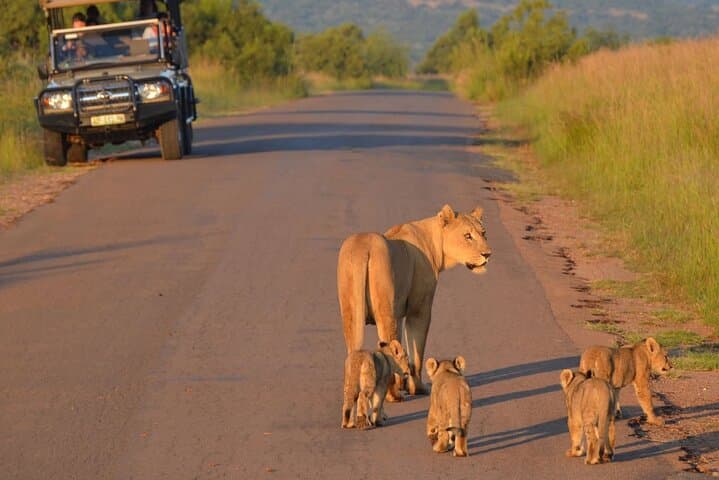
Dawn arrives across the Pilanesberg pans with a slow, amber hush; the open 4x4 noses through mist and low acacia, and the first shapes at a waterhole resolve into elephant backs and the alert ears of buffalo.
Verified experiences and guided adventures in the surrounding area.
Operated by Pilanesberg Trackers · Rustenburg, North West
Dawn arrives across the Pilanesberg pans with a slow, amber hush; the open 4x4 noses through mist and low acacia, and the first shapes at a waterhole resolve into elephant backs and the alert ears of buffalo.
Pilanesberg sits inside an ancient, eroded volcanic ring — the Pilanesberg Alkaline Ring Complex — its ridges and shallow pans forming a patchwork of savannah, thicket and seasonal wetlands. The reserve was established in the late 1970s and restocked with native species, creating one of South Africa’s accessible Big Five destinations close to Sun City and Johannesburg. Local Tswana communities have ties to the landscape, and cultural tourism around the park complements game-viewing for those interested in people as well as wildlife.
On this full-day circuit expect two different safari rhythms: a morning open-vehicle drive for unobstructed sightlines and photography, and an afternoon closed-vehicle drive that covers longer stretches without wind and dust. Guides read spoor, water patterns and seasonal behavior — in winter (May–Aug) game concentrates at permanent waterholes; in summer the park is greener with newborns and thunderstorms.
Practical notes: bring layered clothing for cool mornings and hot afternoons, binoculars and a camera with a telephoto lens, and insect repellent in summer. Hotel pickup in Johannesburg means an early start; park fees and lunch are included but carry cash for optional gratuities. Respect park rules — stay in the vehicle, avoid sudden movements, and follow your guide’s directions for the safest, most productive day in the bush.
easy.
7–9 hours.
Suitable for most fitness levels; activities are vehicle-based with minimal walking on level ground at rest stops.
Pickups are typically between 06:00 and 06:30; exact times are confirmed at booking and depend on your hotel location.
Yes — national park fees and a midday lunch at a rest camp are included in the tour price.
Yes; the tour is suitable for families but check age limits with the operator and supervise children during stops.
Pilanesberg has established populations of the Big Five; sightings are common but never guaranteed—season, water sources and luck all play roles.
The reserve was created in the late 1970s by reintroducing species into the Pilanesberg volcanic ring, transforming former agricultural land back into protected savannah.
Pilanesberg works with anti-poaching teams and community programs; visitors help by staying on roads, not feeding animals, and minimizing noise.
Pilanesberg Trackers operates guided outdoor trips and adventures with an emphasis on safety, stewardship, and memorable experiences.

Dawn arrives across the Pilanesberg pans with a slow, amber hush; the open 4x4 noses through mist and low acacia, and the first shapes at a waterhole resolve into elephant backs and the alert ears of buffalo.
Dawn arrives across the Pilanesberg pans with a slow, amber hush; the open 4x4 noses through mist and low acacia, and the first shapes at a waterhole resolve into elephant backs and the alert ears of buffalo.
Pilanesberg sits inside an ancient, eroded volcanic ring — the Pilanesberg Alkaline Ring Complex — its ridges and shallow pans forming a patchwork of savannah, thicket and seasonal wetlands. The reserve was established in the late 1970s and restocked with native species, creating one of South Africa’s accessible Big Five destinations close to Sun City and Johannesburg. Local Tswana communities have ties to the landscape, and cultural tourism around the park complements game-viewing for those interested in people as well as wildlife.
On this full-day circuit expect two different safari rhythms: a morning open-vehicle drive for unobstructed sightlines and photography, and an afternoon closed-vehicle drive that covers longer stretches without wind and dust. Guides read spoor, water patterns and seasonal behavior — in winter (May–Aug) game concentrates at permanent waterholes; in summer the park is greener with newborns and thunderstorms.
Practical notes: bring layered clothing for cool mornings and hot afternoons, binoculars and a camera with a telephoto lens, and insect repellent in summer. Hotel pickup in Johannesburg means an early start; park fees and lunch are included but carry cash for optional gratuities. Respect park rules — stay in the vehicle, avoid sudden movements, and follow your guide’s directions for the safest, most productive day in the bush.