THE ADVENTURE COLLECTIVE® · Independent discovery and booking for outdoor travel

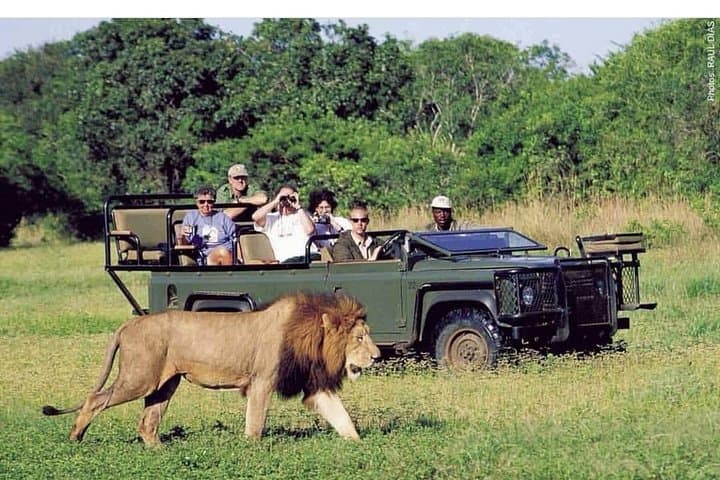
Drive two hours from Johannesburg into Pilanesberg’s volcanic bowls for a private, full‑day safari with 3–4 hours of guided game viewing. Expect open‑vehicle sightings of the Big Five, informative local guides, and rugged, camera‑ready landscapes.
Drive two hours from Johannesburg into Pilanesberg’s volcanic bowls for a private, full‑day safari with 3–4 hours of guided game viewing. Expect open‑vehicle sightings of the Big Five, informative local guides, and rugged, camera‑ready landscapes.
A dawn-lit tar road unwinds from Johannesburg and, two hours later, the landscape changes: low volcanic ridges and open savanna replace suburbs. You arrive at Pilanesberg National Park, its grassy bowls and koppies waiting as the vehicle doors open. In an open safari truck the air feels cooler, sound sharpened—birds call, and distant hooves drum through grass that seems to point you toward a waterhole.
Verified experiences and guided adventures in the surrounding area.
Operated by Virgio Tours · Mogwase, North West
A dawn-lit tar road unwinds from Johannesburg and, two hours later, the landscape changes: low volcanic ridges and open savanna replace suburbs. You arrive at Pilanesberg National Park, its grassy bowls and koppies waiting as the vehicle doors open. In an open safari truck the air feels cooler, sound sharpened—birds call, and distant hooves drum through grass that seems to point you toward a waterhole.
Pilanesberg sits on an ancient alkaline ring complex formed by volcanic activity over a billion years ago; the geology gives the reserve its low hills and rocky outcrops that animals use for vantage points. The park’s modern story is one of restoration—species were reintroduced in the 1970s and 80s, shaping the ecology visitors see today. Local Tswana communities around the reserve maintain cultural ties and small craft markets near entrances.
Expect a 2‑hour drive from Johannesburg, a short pit stop en route, then a 3–4 hour game drive inside the park depending on your vehicle choice. Guides track seasonal movement; early morning and late afternoon drives yield the best light and activity. Terrain is vehicle-friendly but bumpy—you’ll be seated most of the time with brief stops for photos at known waterholes.
Practical tips: bring sun protection, a refillable water bottle, binoculars and a camera with a zoom lens. Carry small cash for market stalls and support local guides by asking about community-run projects. Respect viewing distances and the park’s rules—quiet, patient observation improves sightings and keeps wildlife wild.
easy.
8 hours.
Suitable for most fitness levels; you should be able to climb into a raised safari vehicle and sit for several hours.
Expect about a 2‑hour drive each way depending on traffic; tours include a short pit stop en route.
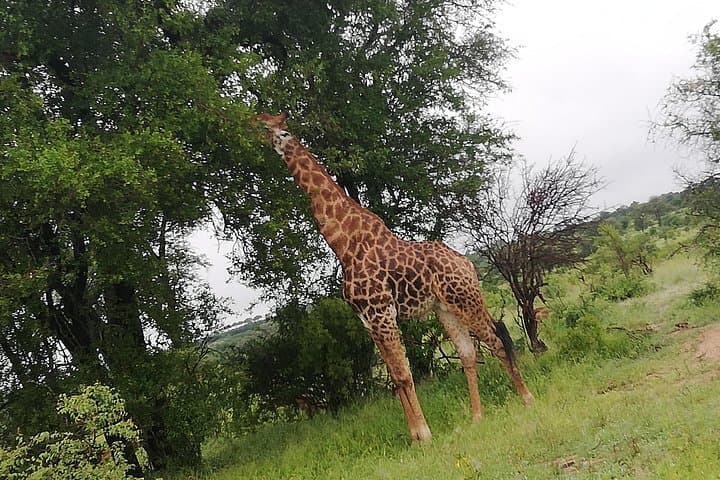
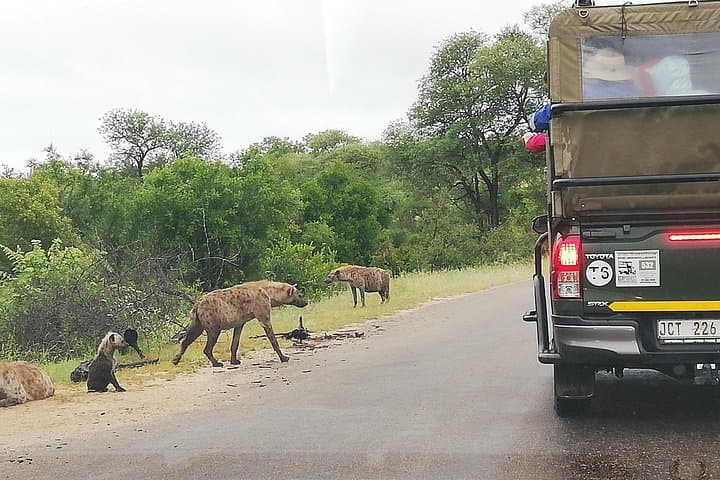
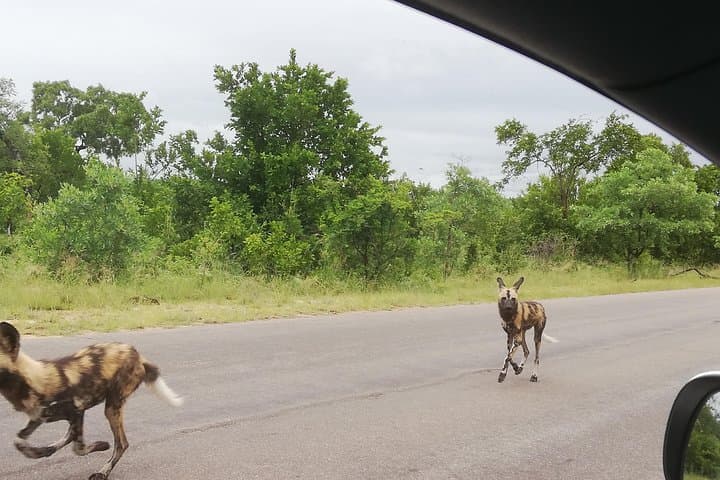
Sightings are never guaranteed, but Pilanesberg has established populations of lion, elephant, rhino, buffalo and leopard; early and late drives improve chances.
Yes—this tour notes wheelchair and stroller accessibility and infant seats; check pickup and vehicle options when booking.
Early morning or late afternoon drives are best—animals are more active in cooler hours and the light is ideal for photography.
The park sits on the Pilanesberg Alkaline Ring Complex; it was converted into a game reserve and stocked with species in the late 20th century to restore local biodiversity.
Pilanesberg operates reintroduction programs and anti‑poaching patrols; support local community enterprises to help fund conservation and sustainable tourism.
Virgio Tours operates guided outdoor trips and adventures with an emphasis on safety, stewardship, and memorable experiences.
A dawn-lit tar road unwinds from Johannesburg and, two hours later, the landscape changes: low volcanic ridges and open savanna replace suburbs. You arrive at Pilanesberg National Park, its grassy bowls and koppies waiting as the vehicle doors open. In an open safari truck the air feels cooler, sound sharpened—birds call, and distant hooves drum through grass that seems to point you toward a waterhole.
A dawn-lit tar road unwinds from Johannesburg and, two hours later, the landscape changes: low volcanic ridges and open savanna replace suburbs. You arrive at Pilanesberg National Park, its grassy bowls and koppies waiting as the vehicle doors open. In an open safari truck the air feels cooler, sound sharpened—birds call, and distant hooves drum through grass that seems to point you toward a waterhole.
Pilanesberg sits on an ancient alkaline ring complex formed by volcanic activity over a billion years ago; the geology gives the reserve its low hills and rocky outcrops that animals use for vantage points. The park’s modern story is one of restoration—species were reintroduced in the 1970s and 80s, shaping the ecology visitors see today. Local Tswana communities around the reserve maintain cultural ties and small craft markets near entrances.
Expect a 2‑hour drive from Johannesburg, a short pit stop en route, then a 3–4 hour game drive inside the park depending on your vehicle choice. Guides track seasonal movement; early morning and late afternoon drives yield the best light and activity. Terrain is vehicle-friendly but bumpy—you’ll be seated most of the time with brief stops for photos at known waterholes.
Practical tips: bring sun protection, a refillable water bottle, binoculars and a camera with a zoom lens. Carry small cash for market stalls and support local guides by asking about community-run projects. Respect viewing distances and the park’s rules—quiet, patient observation improves sightings and keeps wildlife wild.