THE ADVENTURE COLLECTIVE® · Independent discovery and booking for outdoor travel

Escape Johannesburg for a full-day safari to Pilanesberg National Park, a volcanic reserve home to the Big Five. Expect a three-hour guided game drive, mixed vegetation zones, and practical tips for maximizing wildlife sightings.
Escape Johannesburg for a full-day safari to Pilanesberg National Park, a volcanic reserve home to the Big Five. Expect a three-hour guided game drive, mixed vegetation zones, and practical tips for maximizing wildlife sightings.
The engine hums before dawn as the van eases out of Johannesburg and the highway light thins into scrub and koppies.
Verified experiences and guided adventures in the surrounding area.
Operated by Steinbock African Safari · Rustenburg, North West
The engine hums before dawn as the van eases out of Johannesburg and the highway light thins into scrub and koppies.
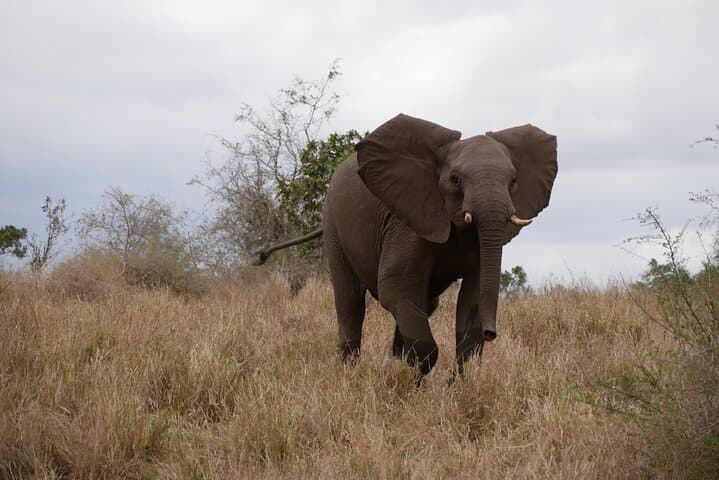
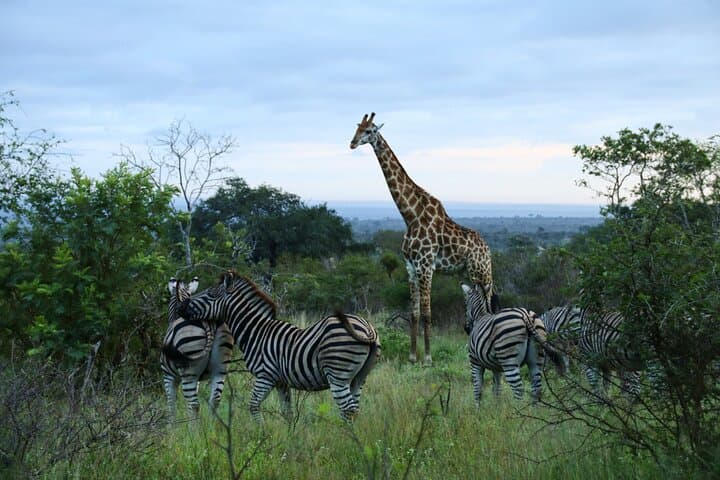
By mid-morning you slip through the gate of Pilanesberg National Park, the air already warming over the hollow of an ancient volcanic ring. The landscape here changes with every kilometer — lowveld bush giving way to harder Kalahari sands — and the first giraffe or zebra often greets travelers before the ranger lifts the throttle and the search begins.
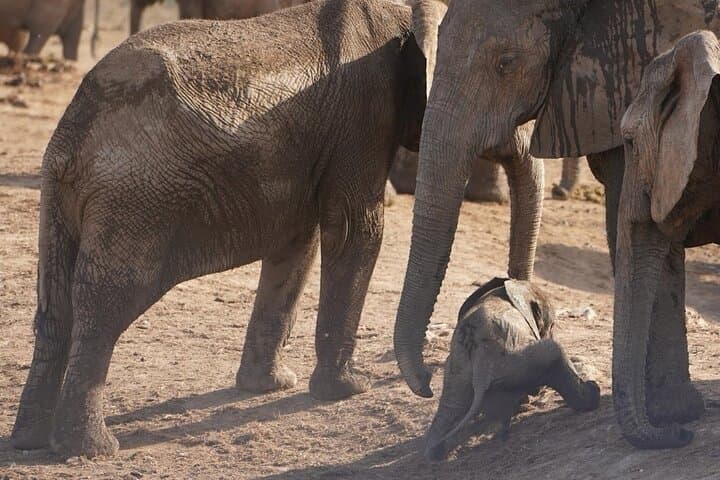
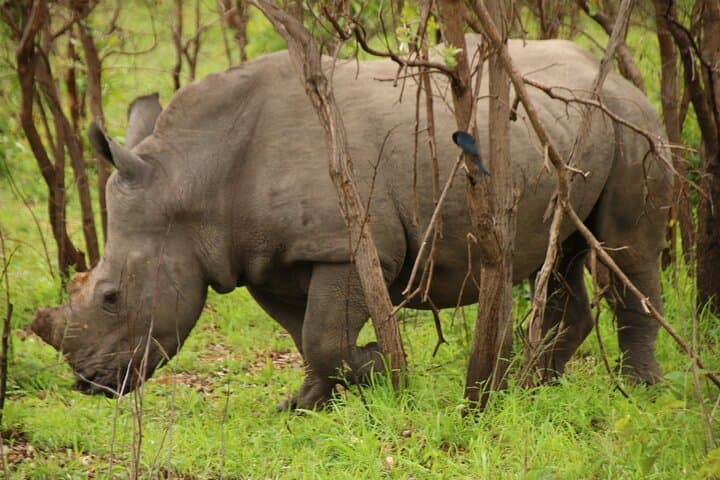
Geology and history are visible: Pilanesberg sits on an alkaline ring complex formed by volcanic activity hundreds of millions of years ago, with valleys and ridges that channel water and animals. The park was developed in the late 20th century, with large-mammal reintroductions returning elephants, rhinos, lions and buffalo to their ancestral range. Nearby Sun City and local Tswana communities have long ties to the region; many tours partner with local guides who share both natural history and cultural context.
Practically, expect a full 8-hour day including a roughly 3-hour guided game drive inside the 55,000-hectare reserve. Vehicles are open-sided; bring layered clothing for cool mornings and hot afternoons, a brimmed hat, sunscreen and a water bottle. Sit quietly and let the guide read animal behavior — sightings come from patience as much as luck. Motion-sickness remedies help on bumpy tracks. Photography rewards restraint: slower pans and longer lenses capture behavior without disturbing animals.
This is a daylight, vehicle-based safari suitable for a wide range of travelers who want concentrated wildlife time without multi-day camping commitments.
easy.
8 hours.
Suitable for most fitness levels; requires getting in/out of a safari vehicle and sitting for extended periods.
Pilanesberg is known for the Big Five and sightings are common on guided drives, but wildlife is not guaranteed—season, time of day and luck all play a role.
No special vaccinations are required for day visitors, though check routine travel vaccines and consult health advice for South Africa; travelers with heart conditions should avoid strenuous activities as advised by the operator.
Yes—families are welcome; operators often set age or seatbelt rules, so confirm child policies and safety requirements at booking.
The operator may cancel or modify tours for heavy rain or unsafe road conditions; the cancellation policy typically allows refunds if canceled 24 hours in advance.
The reserve occupies an ancient volcanic ring complex and was re-established in the late 20th century through large-mammal reintroductions, turning former farmland into a functioning ecosystem.
Pilanesberg relies on anti-poaching patrols and sustainable tourism revenue; visitors are asked to stay on roads, avoid feeding wildlife, and follow guide instructions to minimize disturbance.
Steinbock African Safari operates guided outdoor trips and adventures with an emphasis on safety, stewardship, and memorable experiences.
The engine hums before dawn as the van eases out of Johannesburg and the highway light thins into scrub and koppies.
The engine hums before dawn as the van eases out of Johannesburg and the highway light thins into scrub and koppies.
By mid-morning you slip through the gate of Pilanesberg National Park, the air already warming over the hollow of an ancient volcanic ring. The landscape here changes with every kilometer — lowveld bush giving way to harder Kalahari sands — and the first giraffe or zebra often greets travelers before the ranger lifts the throttle and the search begins.
Geology and history are visible: Pilanesberg sits on an alkaline ring complex formed by volcanic activity hundreds of millions of years ago, with valleys and ridges that channel water and animals. The park was developed in the late 20th century, with large-mammal reintroductions returning elephants, rhinos, lions and buffalo to their ancestral range. Nearby Sun City and local Tswana communities have long ties to the region; many tours partner with local guides who share both natural history and cultural context.
Practically, expect a full 8-hour day including a roughly 3-hour guided game drive inside the 55,000-hectare reserve. Vehicles are open-sided; bring layered clothing for cool mornings and hot afternoons, a brimmed hat, sunscreen and a water bottle. Sit quietly and let the guide read animal behavior — sightings come from patience as much as luck. Motion-sickness remedies help on bumpy tracks. Photography rewards restraint: slower pans and longer lenses capture behavior without disturbing animals.
This is a daylight, vehicle-based safari suitable for a wide range of travelers who want concentrated wildlife time without multi-day camping commitments.