THE ADVENTURE COLLECTIVE® · Independent discovery and booking for outdoor travel

Drive into a prehistoric volcanic ring and spend a day hunting wildlife from an open safari truck. This Pilanesberg day tour from Johannesburg pairs concentrated Big Five game viewing with bird-rich wetlands and dramatic crater‑rim scenery.
Drive into a prehistoric volcanic ring and spend a day hunting wildlife from an open safari truck. This Pilanesberg day tour from Johannesburg pairs concentrated Big Five game viewing with bird-rich wetlands and dramatic crater‑rim scenery.
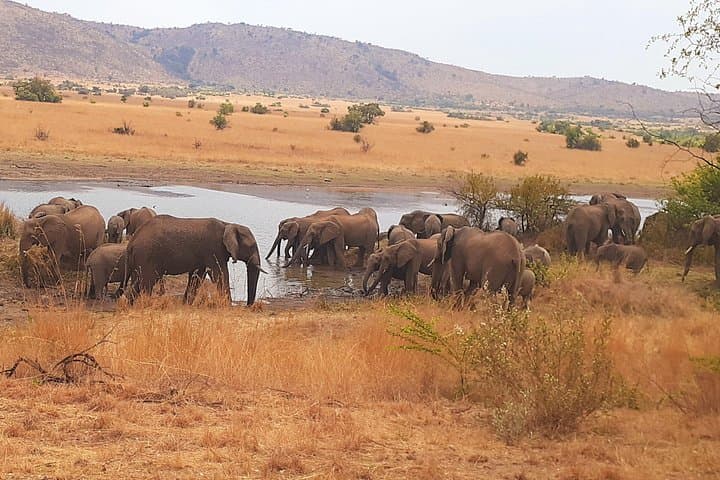
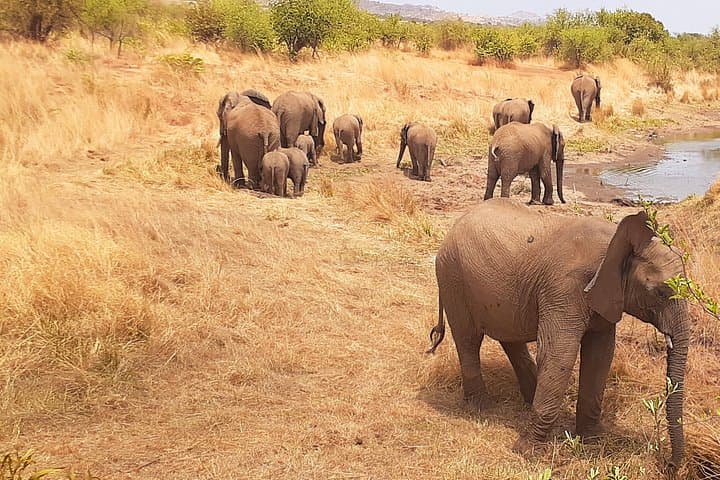
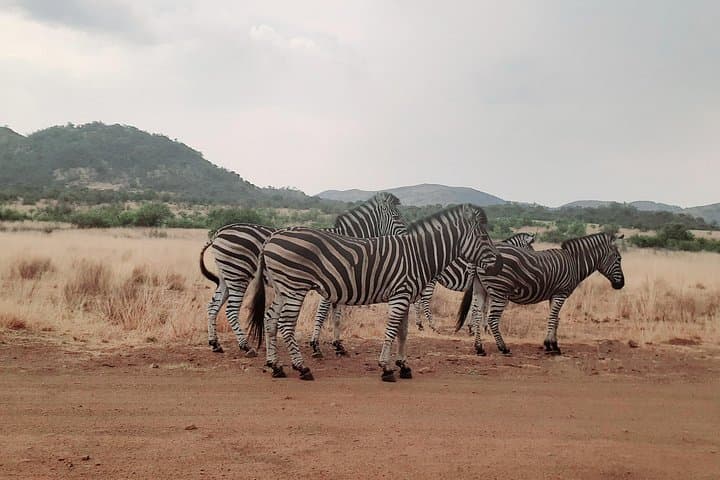
The truck bumps over red dust as the crater rim opens and a herd of impala lifts like a question across the plain—this is Pilanesberg on a morning game drive. You arrive before the heat, windows wide, binoculars leveled, and the volcanic walls of the Pilanesberg Alkaline Ring Complex framing the horizon.
Verified experiences and guided adventures in the surrounding area.
Operated by Swangs Safaris · Rustenburg, North West
The truck bumps over red dust as the crater rim opens and a herd of impala lifts like a question across the plain—this is Pilanesberg on a morning game drive. You arrive before the heat, windows wide, binoculars leveled, and the volcanic walls of the Pilanesberg Alkaline Ring Complex framing the horizon.
Established as a national park in 1979, Pilanesberg occupies a collapsed volcanic structure that’s been weathered into broad valleys, koppies, and pans. The geology creates varied habitats—thickets by seasonal pans, grassy plains, and rocky outcrops—so you’ll move through contrasting scenes within hours. The park is also a cultural landscape: Tswana communities and colonial-era farms shaped access routes before conservation and species reintroductions restored large mammals to the area.
Expect classic South African safari rhythms: long, patient glassing for elephant and buffalo, closer stalks for lion and leopard during cooler hours, and bird-rich wetlands alive with waterbirds and raptors. The guided open safari truck steers you to likely sightings while a naturalist explains spoor, behavior, and conservation pressures like poaching and water management.
Practical edge: pick a morning spot for the best light and activity, layer for rapid temperature changes, and keep gear pared down—binoculars, a 200–400mm lens if you have one, and a small daypack. Hydrate, respect viewing distances, and be prepared for dusty roads and bumpy truck steps. A day trip from Johannesburg or Pretoria gives roughly 3–4 hours of guided game viewing inside a 55,000-hectare park—enough time to see the Big Five and a dizzying variety of birds while leaving a gentle footprint on the reserve.
easy.
10 hours.
Suitable for most fitness levels; requires getting on/off an open safari truck and short walks at stops.
This tour description indicates admission is included and lunch is provided at Pilanesberg center or Manyane Gate restaurant; verify total inclusions at booking.
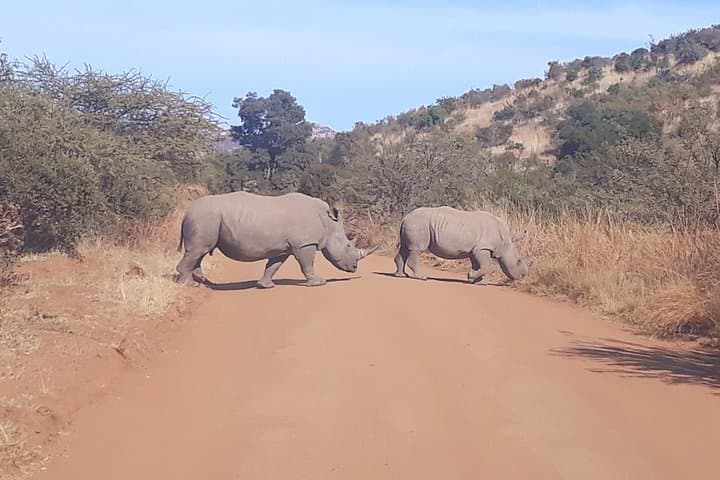
Day drives offer good chances of encountering the Big Five, but sightings aren’t guaranteed—wildlife moves unpredictably.
The operator notes the tour is wheelchair accessible and suitable for infants/carriers; check specific pickup accessibility and on-truck boarding assistance if needed.
Take preventative medication if prone to motion sickness; sit toward the front of the truck and focus on the horizon to reduce symptoms.
Pilanesberg was established in 1979 within a 55,000‑hectare alkaline volcanic ring; animals were reintroduced after earlier land use removed many large mammals.
The park focuses on species reintroductions and anti‑poaching measures; visitors are asked to follow vehicle rules and avoid feeding or disturbing wildlife to minimize impact.
Swangs Safaris operates guided outdoor trips and adventures with an emphasis on safety, stewardship, and memorable experiences.
The truck bumps over red dust as the crater rim opens and a herd of impala lifts like a question across the plain—this is Pilanesberg on a morning game drive. You arrive before the heat, windows wide, binoculars leveled, and the volcanic walls of the Pilanesberg Alkaline Ring Complex framing the horizon.
The truck bumps over red dust as the crater rim opens and a herd of impala lifts like a question across the plain—this is Pilanesberg on a morning game drive. You arrive before the heat, windows wide, binoculars leveled, and the volcanic walls of the Pilanesberg Alkaline Ring Complex framing the horizon.
Established as a national park in 1979, Pilanesberg occupies a collapsed volcanic structure that’s been weathered into broad valleys, koppies, and pans. The geology creates varied habitats—thickets by seasonal pans, grassy plains, and rocky outcrops—so you’ll move through contrasting scenes within hours. The park is also a cultural landscape: Tswana communities and colonial-era farms shaped access routes before conservation and species reintroductions restored large mammals to the area.
Expect classic South African safari rhythms: long, patient glassing for elephant and buffalo, closer stalks for lion and leopard during cooler hours, and bird-rich wetlands alive with waterbirds and raptors. The guided open safari truck steers you to likely sightings while a naturalist explains spoor, behavior, and conservation pressures like poaching and water management.
Practical edge: pick a morning spot for the best light and activity, layer for rapid temperature changes, and keep gear pared down—binoculars, a 200–400mm lens if you have one, and a small daypack. Hydrate, respect viewing distances, and be prepared for dusty roads and bumpy truck steps. A day trip from Johannesburg or Pretoria gives roughly 3–4 hours of guided game viewing inside a 55,000-hectare park—enough time to see the Big Five and a dizzying variety of birds while leaving a gentle footprint on the reserve.