THE ADVENTURE COLLECTIVE® · Independent discovery and booking for outdoor travel

A quiet alternative to the busy Everest routes, the Pikey Peak trek stitches remote Sherpa villages, Buddhist monasteries and wide Himalayan panoramas into a 9–10 day journey. Expect ridge-top sunrises, long but manageable days and warm teahouse hospitality.
A quiet alternative to the busy Everest routes, the Pikey Peak trek stitches remote Sherpa villages, Buddhist monasteries and wide Himalayan panoramas into a 9–10 day journey. Expect ridge-top sunrises, long but manageable days and warm teahouse hospitality.
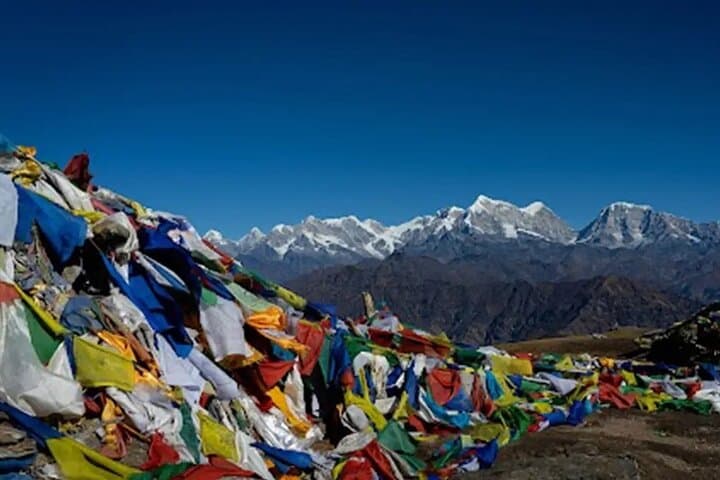
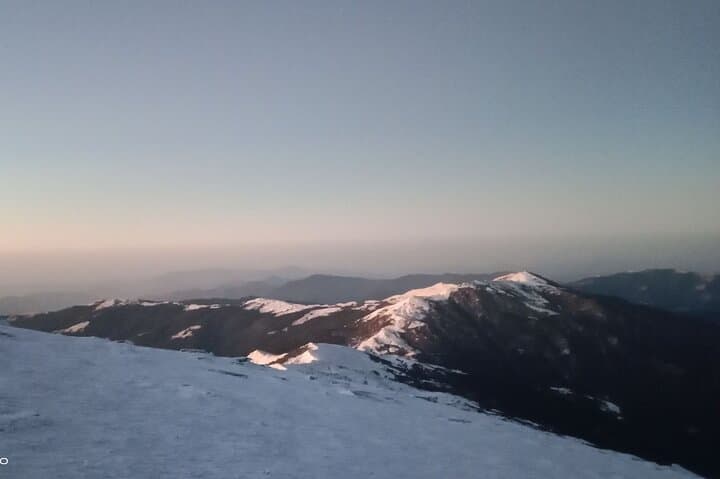
Dawn on Pikey Peak arrives like a slow reveal: low clouds pull back and the Himalayan skyline pushes forward, each summit carving a new edge into the sky. Walkers leave Kathmandu’s crowded streets and trade concrete for stepped fields, prayer flags and woods until the trail tightens and the air thins toward Dhap and the grassy ridges above.
Verified experiences and guided adventures in the surrounding area.
Operated by Himalayan Partner Treks and Expedition · Dhap, Province No. 1
Dawn on Pikey Peak arrives like a slow reveal: low clouds pull back and the Himalayan skyline pushes forward, each summit carving a new edge into the sky. Walkers leave Kathmandu’s crowded streets and trade concrete for stepped fields, prayer flags and woods until the trail tightens and the air thins toward Dhap and the grassy ridges above.
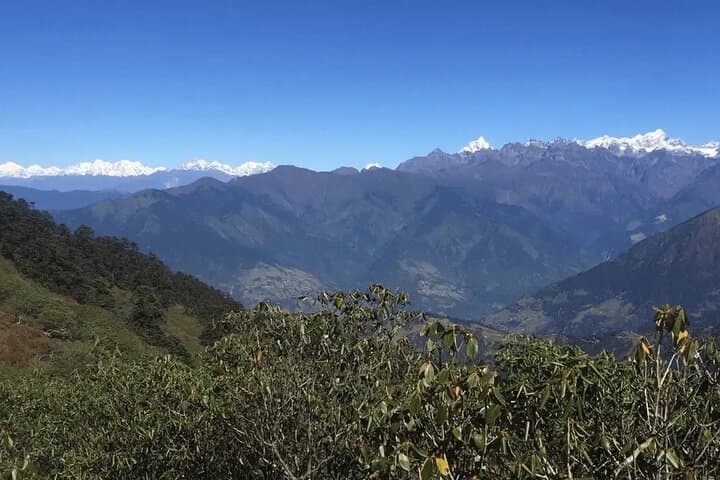
The route crosses Solu-Khumbu’s quieter villages—Sherpa and Tamang communities whose lives have been shaped by trade routes, Buddhism and highland pastoralism. Geologically, the path climbs through river-cut terraces and moraines left by ancient glaciers; the view from the 4,068 m summit opens across the Eastern Himalaya where Everest, Makalu and Kanchenjunga form a ragged spine. Monasteries like Thupten Choling punctuate the walk with painted walls and daily ritual, and tea houses supply nepali dal bhat and a steady flow of local stories.
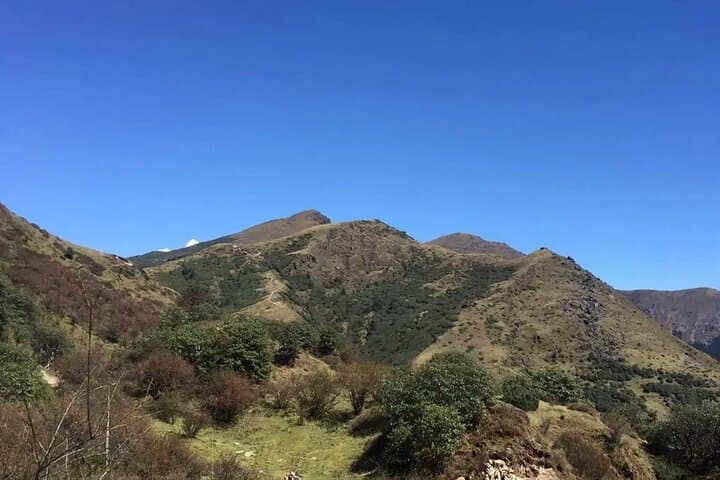
Expect mixed terrain: jeep tracks, rocky trails, rhododendron-swept forests and exposed grassy ridgelines. Early starts for summit sunrises and steady pacing on the long approach days make altitude acclimatization a priority.
Practical edge: pack layered insulation, a reliable headlamp and a water treatment method; footwear should handle mud, loose rock and short snow patches in shoulder seasons. Plan for 6–8 hour walking days on trekking legs, allow rest at Junbesi and take a full dawn summit for the clearest views. Respect local customs at monasteries, minimize single-use waste and carry out what you bring in—this corridor’s quiet depends on low impact travel.
moderate.
9–10 days.
Moderate aerobic fitness—able to walk 6–8 hours with a 10–15 kg daypack and manage altitude gain
Typical itineraries run 9–10 days from Kathmandu with several 6–8 hour walking days and built-in rest/acclimatization stops.
No technical mountaineering experience is required, but prior multi-day trekking or good cardiovascular fitness helps with long ascents and altitude.
Trekkers need a TIMS card and the appropriate national park permit if entering protected zones; local operators usually handle permits.
Tea houses and basic hotels in villages—simple rooms with shared facilities; hot meals are available in main stops like Junbesi and Dhap.
The Solu-Khumbu corridor was a traditional trade and pilgrimage route; monasteries here reflect centuries of Tibetan-Buddhist cultural ties.
Tourism is locally managed through teahouse networks; minimize waste, use refillable water containers and support community-run lodges to reduce impact.
Himalayan Partner Treks and Expedition operates guided outdoor trips and adventures with an emphasis on safety, stewardship, and memorable experiences.
Dawn on Pikey Peak arrives like a slow reveal: low clouds pull back and the Himalayan skyline pushes forward, each summit carving a new edge into the sky. Walkers leave Kathmandu’s crowded streets and trade concrete for stepped fields, prayer flags and woods until the trail tightens and the air thins toward Dhap and the grassy ridges above.
Dawn on Pikey Peak arrives like a slow reveal: low clouds pull back and the Himalayan skyline pushes forward, each summit carving a new edge into the sky. Walkers leave Kathmandu’s crowded streets and trade concrete for stepped fields, prayer flags and woods until the trail tightens and the air thins toward Dhap and the grassy ridges above.
The route crosses Solu-Khumbu’s quieter villages—Sherpa and Tamang communities whose lives have been shaped by trade routes, Buddhism and highland pastoralism. Geologically, the path climbs through river-cut terraces and moraines left by ancient glaciers; the view from the 4,068 m summit opens across the Eastern Himalaya where Everest, Makalu and Kanchenjunga form a ragged spine. Monasteries like Thupten Choling punctuate the walk with painted walls and daily ritual, and tea houses supply nepali dal bhat and a steady flow of local stories.
Expect mixed terrain: jeep tracks, rocky trails, rhododendron-swept forests and exposed grassy ridgelines. Early starts for summit sunrises and steady pacing on the long approach days make altitude acclimatization a priority.
Practical edge: pack layered insulation, a reliable headlamp and a water treatment method; footwear should handle mud, loose rock and short snow patches in shoulder seasons. Plan for 6–8 hour walking days on trekking legs, allow rest at Junbesi and take a full dawn summit for the clearest views. Respect local customs at monasteries, minimize single-use waste and carry out what you bring in—this corridor’s quiet depends on low impact travel.