THE ADVENTURE COLLECTIVE® · Independent discovery and booking for outdoor travel

A compact high‑altitude trek offering broad views of Everest and intimate encounters with Sherpa village life. Ideal if you want big Himalayan panoramas without the long distance of classic Khumbu routes.
A compact high‑altitude trek offering broad views of Everest and intimate encounters with Sherpa village life. Ideal if you want big Himalayan panoramas without the long distance of classic Khumbu routes.
You leave Kathmandu's traffic and concrete behind and climb into thinner air and quiet villages. Early mornings on the Pikey Peak trail start with the wind filling the ridgeline and the first rays skimming the faces of distant giants—Everest, Lhotse and Ama Dablam—each silhouette stepping into light.
Verified experiences and guided adventures in the surrounding area.
Operated by Shishu Tours & Travel · Phaplu, Province No. 1
You leave Kathmandu's traffic and concrete behind and climb into thinner air and quiet villages. Early mornings on the Pikey Peak trail start with the wind filling the ridgeline and the first rays skimming the faces of distant giants—Everest, Lhotse and Ama Dablam—each silhouette stepping into light.
This route runs through the lower Khumbu’s mixed rhododendron forests and pastureland, following ancient mule tracks between Sherpa settlements. Geologically, you move from terraced river valley soils up to glacially influenced ridgelines; the views open because the ridge sits ahead of the higher Himalayan backbone, giving uninterrupted panoramas without the crowds of Everest Base Camp.
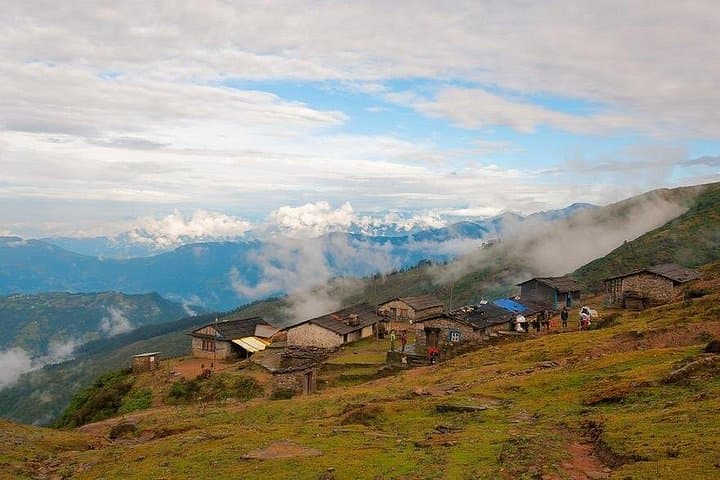
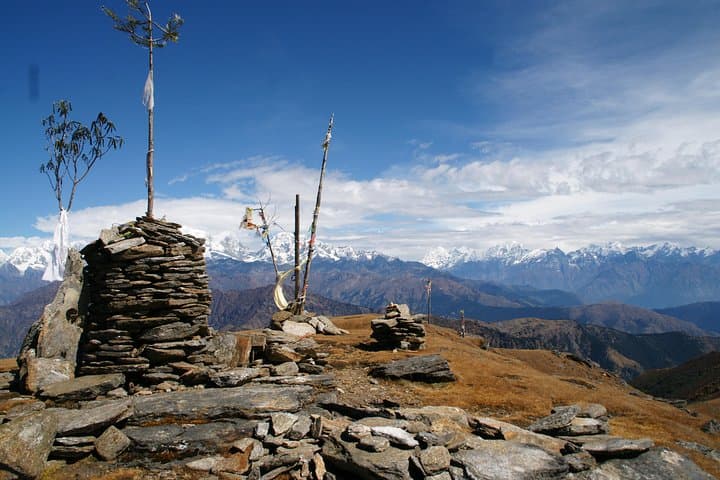
Culturally, villages like Junbesi and local gompas reflect Sherpa life: prayer flags, mani stones, and hospitality around butter tea. The trail is a good introduction to high‑altitude village trekking—simple lodges, home‑cooked dal bhat, and conversations about yak herding and seasonal festivals.
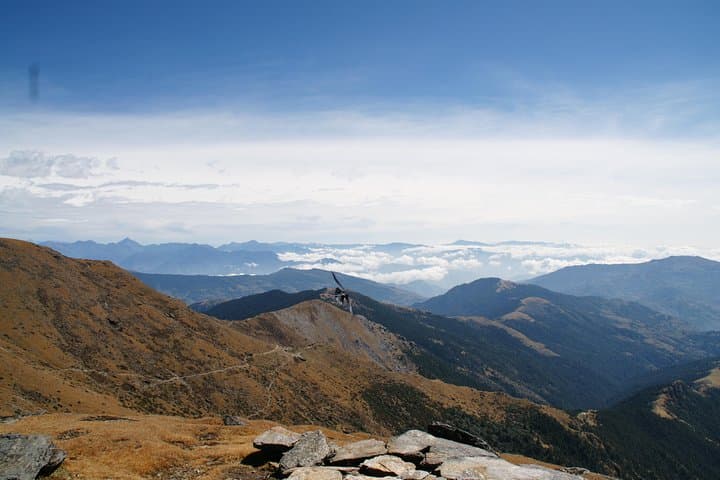
Practically, expect 4–6 hours of hiking on most days over mixed dirt and stone paths, with gradual gains and one steeper push to the Pikey summit for sunrise. Weather changes fast: clear morning light can give way to wind and snow later in the day. Hydrate, pace your ascent, and carry warm layers for dawn and dusk. Guides handle logistics and many groups include a jeep transfer to the trailhead and lodge accommodations each night. Bring cash for tea houses and a small tip budget for guides and porters. The trek rewards early starts and patient walking—sit quietly at the summit and let the mountains claim your attention.
moderate.
6–8 days.
Good aerobic fitness with regular hiking or stair work recommended; capable of 4–6 hour walking days with packs.
Most itineraries include a 4x4 jeep from Kathmandu to Dhap (or Phaplu) where the trek begins; your operator will arrange transfers.
Guides are strongly recommended for navigation, acclimatization guidance, and local logistics; many operators include one in the price.
Spring (March–May) and autumn (September–November) offer the clearest views and stable weather; winter is cold and shoulder seasons bring more rain or snow.
Twin‑share tea house lodges with basic hot meals, shared bathrooms in many villages, and heating in larger stops; standards are simple but comfortable.
Pikey Peak sits on traditional trade routes used by Sherpa communities; the area has grown in popularity as an alternative viewpoint to busier Khumbu trails.
Stick to established trails and tea‑house waste rules; bring reusable bottles and pack out plastic where possible to reduce pressure on fragile mountain water sources.
Shishu Tours & Travel operates guided outdoor trips and adventures with an emphasis on safety, stewardship, and memorable experiences.
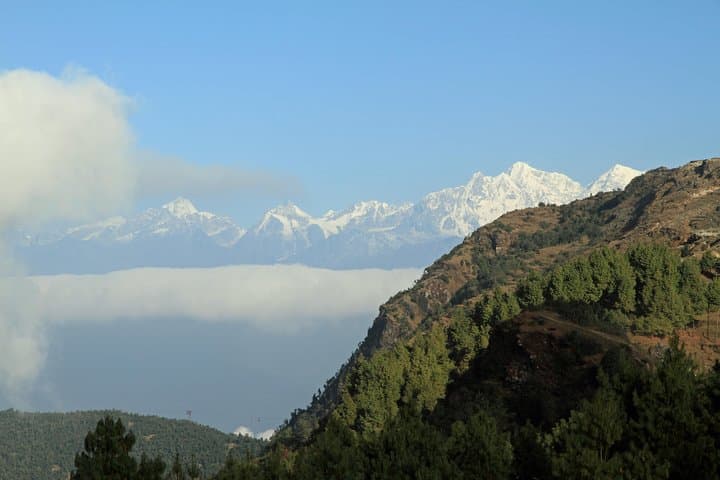
You leave Kathmandu's traffic and concrete behind and climb into thinner air and quiet villages. Early mornings on the Pikey Peak trail start with the wind filling the ridgeline and the first rays skimming the faces of distant giants—Everest, Lhotse and Ama Dablam—each silhouette stepping into light.
You leave Kathmandu's traffic and concrete behind and climb into thinner air and quiet villages. Early mornings on the Pikey Peak trail start with the wind filling the ridgeline and the first rays skimming the faces of distant giants—Everest, Lhotse and Ama Dablam—each silhouette stepping into light.
This route runs through the lower Khumbu’s mixed rhododendron forests and pastureland, following ancient mule tracks between Sherpa settlements. Geologically, you move from terraced river valley soils up to glacially influenced ridgelines; the views open because the ridge sits ahead of the higher Himalayan backbone, giving uninterrupted panoramas without the crowds of Everest Base Camp.
Culturally, villages like Junbesi and local gompas reflect Sherpa life: prayer flags, mani stones, and hospitality around butter tea. The trail is a good introduction to high‑altitude village trekking—simple lodges, home‑cooked dal bhat, and conversations about yak herding and seasonal festivals.
Practically, expect 4–6 hours of hiking on most days over mixed dirt and stone paths, with gradual gains and one steeper push to the Pikey summit for sunrise. Weather changes fast: clear morning light can give way to wind and snow later in the day. Hydrate, pace your ascent, and carry warm layers for dawn and dusk. Guides handle logistics and many groups include a jeep transfer to the trailhead and lodge accommodations each night. Bring cash for tea houses and a small tip budget for guides and porters. The trek rewards early starts and patient walking—sit quietly at the summit and let the mountains claim your attention.