THE ADVENTURE COLLECTIVE® · Independent discovery and booking for outdoor travel

A six-day private trek from Kathmandu to Pikey Peak offers one of the Himalaya’s clearest panoramas of Everest and neighboring ranges, combined with quiet trails through Sherpa and Tamang villages. Expect tea-house nights, ridge-line climbs, and sunrise views that reward steady acclimatization.
A six-day private trek from Kathmandu to Pikey Peak offers one of the Himalaya’s clearest panoramas of Everest and neighboring ranges, combined with quiet trails through Sherpa and Tamang villages. Expect tea-house nights, ridge-line climbs, and sunrise views that reward steady acclimatization.
The morning breaks cold and clear above 2,900 meters as your jeep unspools down a rutted mountain road toward Dhap. Pine-scented air tightens with altitude, rhododendron slopes open like pages, and the ridgelines momentarily frame Everest as a distant, glittering tooth. You gain the Lamuje Danda ridge in stages—ancient mani walls, yak huts and alpine meadows marking the progress—until the panorama at Pikey Peak unfurls: Annapurna to Kanchenjunga in a single sweep.
Verified experiences and guided adventures in the surrounding area.
Operated by Blossom Expeditions Pvt. Ltd. · Kathmandu, Koshi Province
The morning breaks cold and clear above 2,900 meters as your jeep unspools down a rutted mountain road toward Dhap. Pine-scented air tightens with altitude, rhododendron slopes open like pages, and the ridgelines momentarily frame Everest as a distant, glittering tooth. You gain the Lamuje Danda ridge in stages—ancient mani walls, yak huts and alpine meadows marking the progress—until the panorama at Pikey Peak unfurls: Annapurna to Kanchenjunga in a single sweep.
Pikey Peak sits in Lower Solukhumbu, a quieter flank of Nepal’s high country favored by Sir Edmund Hillary for its uncluttered views of Everest. The geology here is classic Himalayan—folded sedimentary layers thrust upward, with glacially polished ridges and moraine-fed valleys. Culturally the route threads Sherpa, Tamang and Magar villages where tea houses keep the trail human-scaled; morning prayers and mani stones punctuate the walk.
Practically, expect 4–8 hour trekking days on packed dirt, stone staircases and short steep sections to reach the summit ridge (peak elevation ~4,065m). Tea-house accommodation and simple meals mean light packs and local hospitality, but altitude and weather demand respect. Start early for sunrise on Pikey Peak, carry layers for sharp mountain winds, and pace your ascent to reduce acclimatization risk. Cash and small change are essential in villages; phone coverage is intermittent.
This private, six-day route balances grand summits with off-the-beaten-track solitude—an achievable Himalayan trek for hikers with steady fitness, a sense of curiosity for village life, and a readiness for high-altitude mountain days.
moderate.
6 days.
Suitable for hikers with regular cardio conditioning (walks of 4–8 hours on consecutive days); some experience with sustained ascents is helpful.
You’ll need the standard TIMS card and a Sagarmatha National Park permit is not required for this lower Solukhumbu route, but confirm with your operator as regulations can change.
The highest point (around 4,065m) requires acclimatization; the trek is moderate but involves long days and altitude-related risks—maintain a slow pace and communicate symptoms early.
Yes—this itinerary uses basic tea-house accommodation with private rooms on a sharing basis; facilities are simple and vary by village.
Fall (September–November) and spring (March–May) offer the most consistent clear skies and stable weather for panoramic views.
Pikey Peak has long been used by local communities as a grazing and pilgrimage area; Sir Edmund Hillary highlighted its clear vantage to Everest as an alternative to busier routes.
Stick to marked trails, minimize single-use plastics in tea houses and support locally run lodges—sustainable tourism helps preserve trails and village livelihoods.
Blossom Expeditions Pvt. Ltd. operates guided outdoor trips and adventures with an emphasis on safety, stewardship, and memorable experiences.
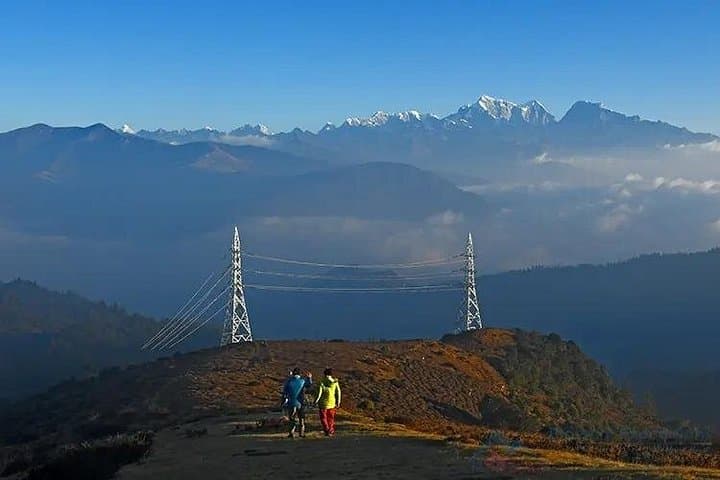
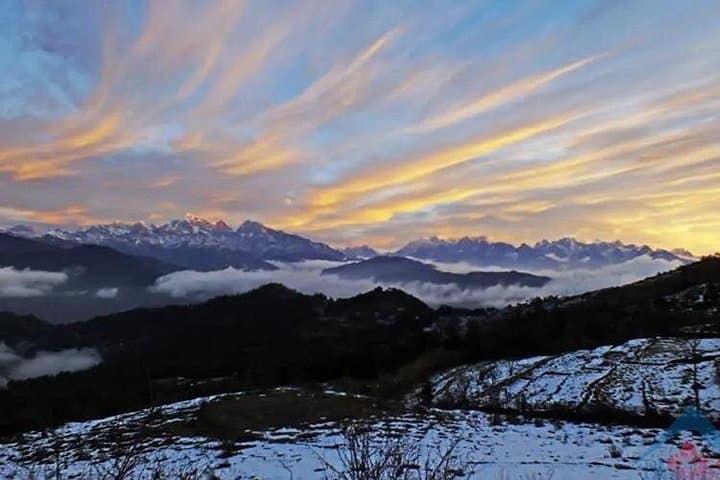
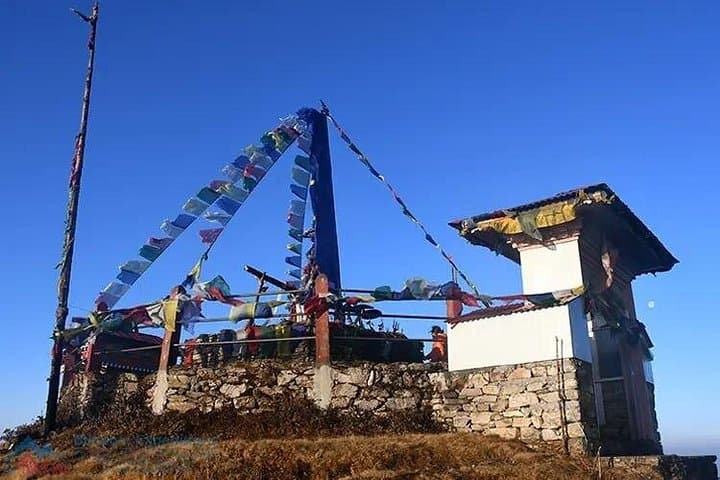
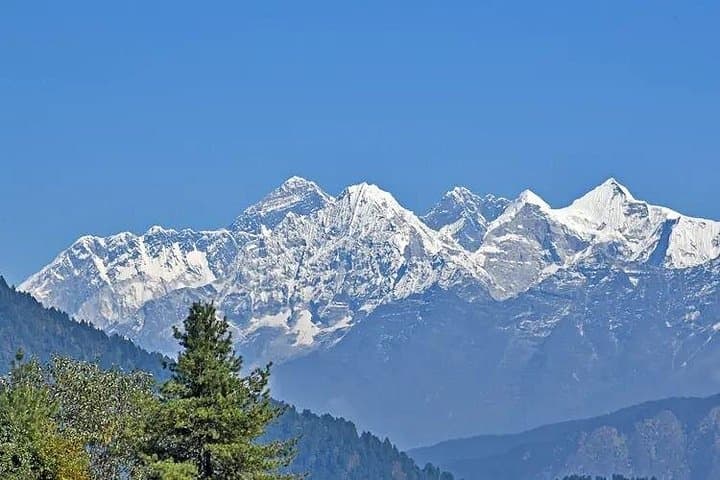
The morning breaks cold and clear above 2,900 meters as your jeep unspools down a rutted mountain road toward Dhap. Pine-scented air tightens with altitude, rhododendron slopes open like pages, and the ridgelines momentarily frame Everest as a distant, glittering tooth. You gain the Lamuje Danda ridge in stages—ancient mani walls, yak huts and alpine meadows marking the progress—until the panorama at Pikey Peak unfurls: Annapurna to Kanchenjunga in a single sweep.
The morning breaks cold and clear above 2,900 meters as your jeep unspools down a rutted mountain road toward Dhap. Pine-scented air tightens with altitude, rhododendron slopes open like pages, and the ridgelines momentarily frame Everest as a distant, glittering tooth. You gain the Lamuje Danda ridge in stages—ancient mani walls, yak huts and alpine meadows marking the progress—until the panorama at Pikey Peak unfurls: Annapurna to Kanchenjunga in a single sweep.
Pikey Peak sits in Lower Solukhumbu, a quieter flank of Nepal’s high country favored by Sir Edmund Hillary for its uncluttered views of Everest. The geology here is classic Himalayan—folded sedimentary layers thrust upward, with glacially polished ridges and moraine-fed valleys. Culturally the route threads Sherpa, Tamang and Magar villages where tea houses keep the trail human-scaled; morning prayers and mani stones punctuate the walk.
Practically, expect 4–8 hour trekking days on packed dirt, stone staircases and short steep sections to reach the summit ridge (peak elevation ~4,065m). Tea-house accommodation and simple meals mean light packs and local hospitality, but altitude and weather demand respect. Start early for sunrise on Pikey Peak, carry layers for sharp mountain winds, and pace your ascent to reduce acclimatization risk. Cash and small change are essential in villages; phone coverage is intermittent.
This private, six-day route balances grand summits with off-the-beaten-track solitude—an achievable Himalayan trek for hikers with steady fitness, a sense of curiosity for village life, and a readiness for high-altitude mountain days.