THE ADVENTURE COLLECTIVE® · Independent discovery and booking for outdoor travel

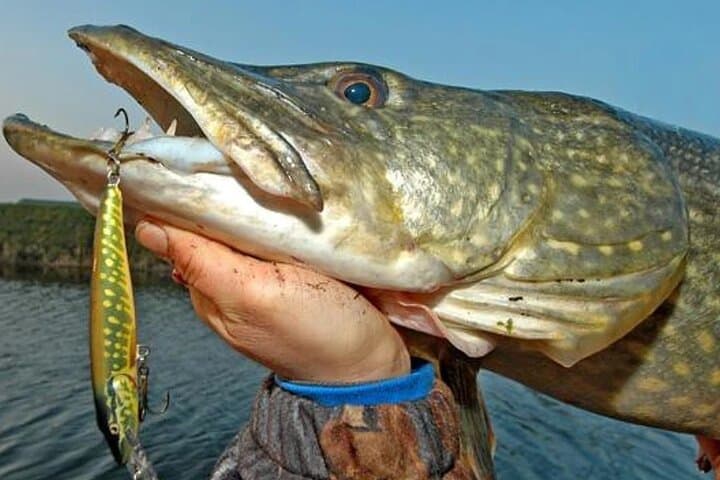
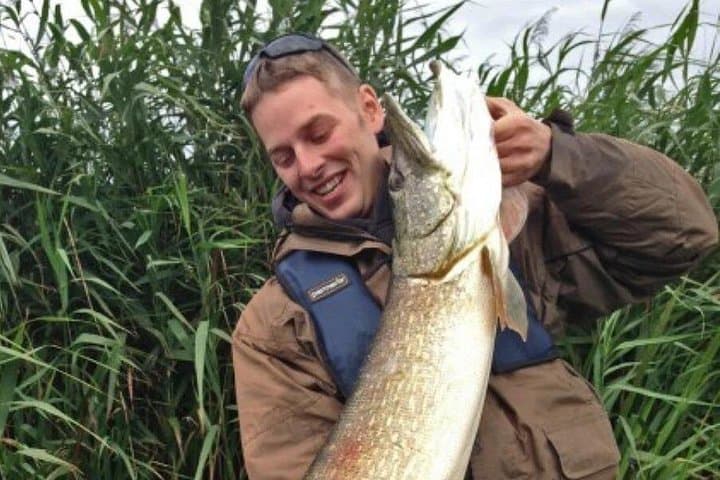
Target trophy pike on Lough Corrib with an English/French-speaking ghillie for a full-day shore and boat-assisted experience. Expect tailored techniques, small groups, and a raw Connemara setting where conditions dictate method and success.
Target trophy pike on Lough Corrib with an English/French-speaking ghillie for a full-day shore and boat-assisted experience. Expect tailored techniques, small groups, and a raw Connemara setting where conditions dictate method and success.
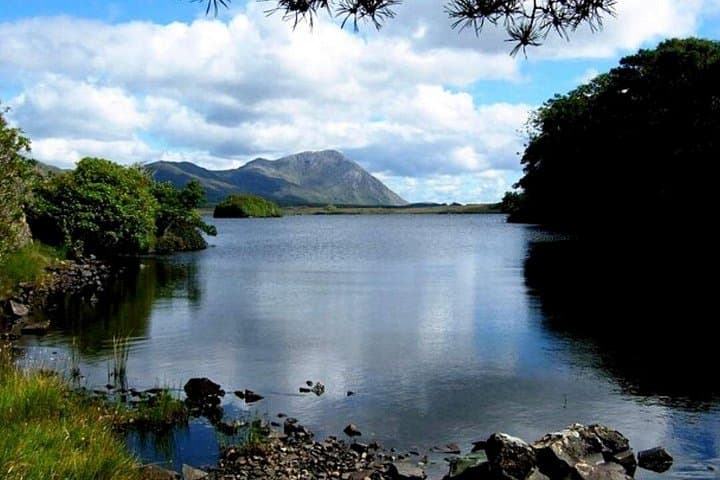
The day begins with the low light sliding across Lough Corrib, the wind sketching ripples that betray where pike patrol the shallows. Anglers meet a local ghillie who reads the lake—choosing bays, weed edges and reed beds where big pike like to hunt.
Verified experiences and guided adventures in the surrounding area.
Operated by Ireland Wild Escapes · Oughterard, County Galway
The day begins with the low light sliding across Lough Corrib, the wind sketching ripples that betray where pike patrol the shallows. Anglers meet a local ghillie who reads the lake—choosing bays, weed edges and reed beds where big pike like to hunt.
Lough Corrib is Ireland’s second-largest lough, carved by glacial action and ringed by drumlins and limestone bedrock that shape current and cover. The lake’s many islands and drowned woodlands were important to medieval settlements; nearby villages like Cong still hold stories of monks and castle keepers who exploited the lake’s riches.
Fishing here mixes tradition and techniques: spinning, dead-baiting and the newer jerk-bait approach each have their season and favored shoreline. The guide typically tailors methods to wind, water clarity and the day’s activity—making the outing as much about observation as casting.
Practicalities are straightforward: expect a full 8‑hour day, small groups (one to three anglers), and a legal requirement to wear a life jacket when venturing onto Corrib. Weather shifts fast in Connemara—dress in layers, bring waterproofs and secure footwear for slippery banks. Bring polarized glasses to pick off fish shapes and a variety of lures and leaders suitable for toothy pike.
This trip suits anyone comfortable with basic rod handling and shore/boat transitions; the ghillie handles local navigation and offers instruction. Anglers should respect local catch limits, follow catch-and-release techniques where advised, and leave the shoreline cleaner than they found it.
moderate.
8 hours.
Light to moderate fitness—able to board small boats, walk uneven shoreline and cast repeatedly through the day
Regulations vary—your ghillie will advise on permits and local rules; anglers must comply with Irish freshwater fishing legislation and local catch limits.
Peak season runs July through December, with May also productive after the mayfly hatch; the guide will pick spots based on weather and fish activity.
Yes—small groups and a professional ghillie mean beginners can learn casting, dead-baiting and safety while experienced anglers can focus on tactics.
Layered, quick-drying clothing with a waterproof outer layer, sturdy non-slip boots, and a spare dry change of clothes for after the trip are recommended.
Corrib’s islands and shores host archaeological remains and medieval sites; fishing has been central to local livelihoods for centuries.
Invasive species and fishing pressure have altered lake ecology—follow the ghillie’s guidance on catch-and-release, cleaning gear between water bodies, and adhering to local limits.
Ireland Wild Escapes operates guided outdoor trips and adventures with an emphasis on safety, stewardship, and memorable experiences.

The day begins with the low light sliding across Lough Corrib, the wind sketching ripples that betray where pike patrol the shallows. Anglers meet a local ghillie who reads the lake—choosing bays, weed edges and reed beds where big pike like to hunt.
The day begins with the low light sliding across Lough Corrib, the wind sketching ripples that betray where pike patrol the shallows. Anglers meet a local ghillie who reads the lake—choosing bays, weed edges and reed beds where big pike like to hunt.
Lough Corrib is Ireland’s second-largest lough, carved by glacial action and ringed by drumlins and limestone bedrock that shape current and cover. The lake’s many islands and drowned woodlands were important to medieval settlements; nearby villages like Cong still hold stories of monks and castle keepers who exploited the lake’s riches.
Fishing here mixes tradition and techniques: spinning, dead-baiting and the newer jerk-bait approach each have their season and favored shoreline. The guide typically tailors methods to wind, water clarity and the day’s activity—making the outing as much about observation as casting.
Practicalities are straightforward: expect a full 8‑hour day, small groups (one to three anglers), and a legal requirement to wear a life jacket when venturing onto Corrib. Weather shifts fast in Connemara—dress in layers, bring waterproofs and secure footwear for slippery banks. Bring polarized glasses to pick off fish shapes and a variety of lures and leaders suitable for toothy pike.
This trip suits anyone comfortable with basic rod handling and shore/boat transitions; the ghillie handles local navigation and offers instruction. Anglers should respect local catch limits, follow catch-and-release techniques where advised, and leave the shoreline cleaner than they found it.