THE ADVENTURE COLLECTIVE® · Independent discovery and booking for outdoor travel

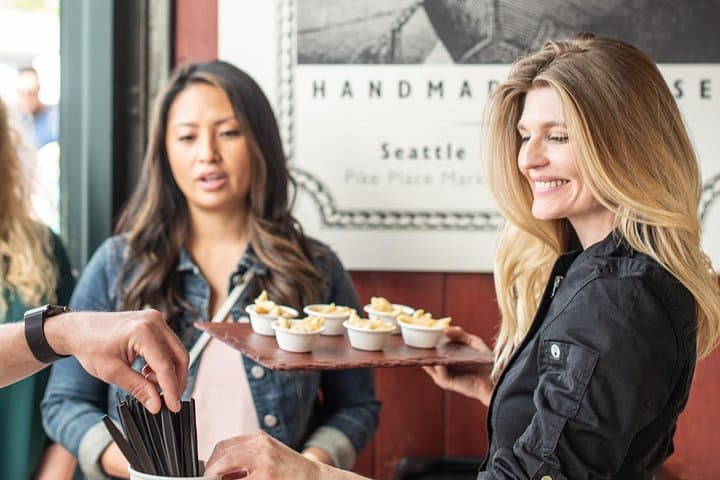
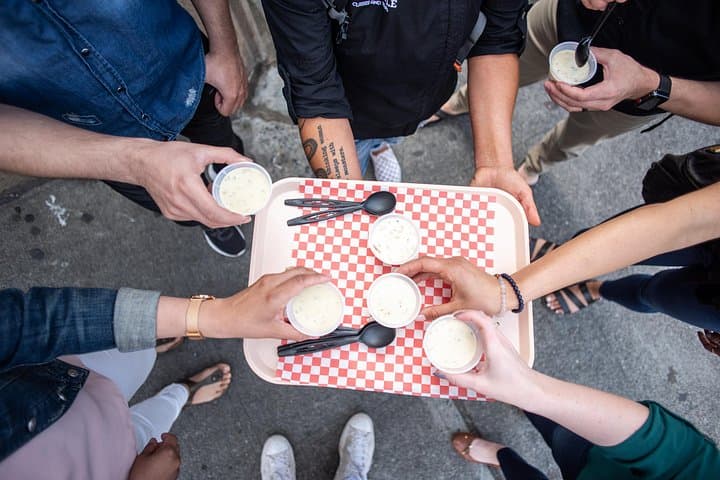
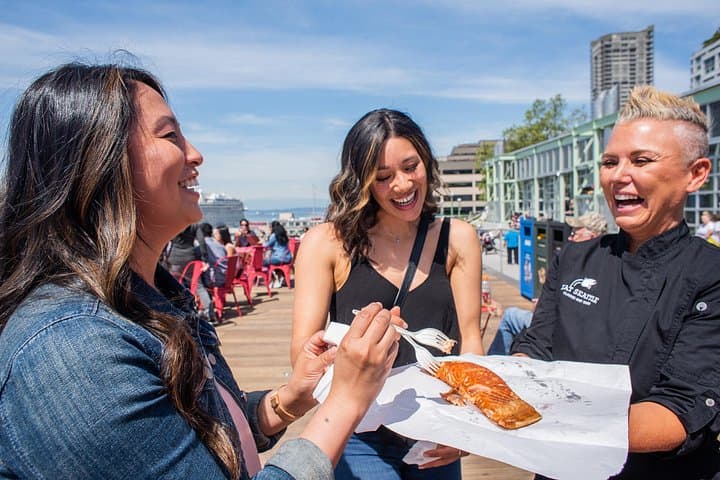
Walk Pike Place Market with a chef as your guide—sample chowder, cheese and chocolate while learning how Seattle’s producers shape the market’s flavors. This two-hour, small-group tasting balances history, local sourcing and practical tips for exploring the market independently afterward.
Walk Pike Place Market with a chef as your guide—sample chowder, cheese and chocolate while learning how Seattle’s producers shape the market’s flavors. This two-hour, small-group tasting balances history, local sourcing and practical tips for exploring the market independently afterward.
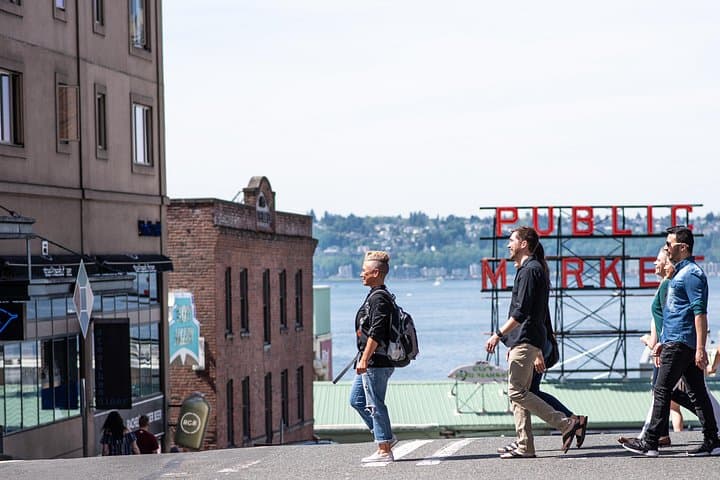
You step out onto First Avenue and the air is a mix of briny bay breeze and warm, recent-baked bread. The chef—coat sharply white—ushers a small group into the pulse of Pike Place Market where vendors call, fishmongers toss, and spices fill narrow aisles. This is not a sit-down restaurant crawl; it’s a paced, walking tasting through history and working commerce.
Verified experiences and guided adventures in the surrounding area.
Operated by Eat Seattle · Seattle, Washington
You step out onto First Avenue and the air is a mix of briny bay breeze and warm, recent-baked bread. The chef—coat sharply white—ushers a small group into the pulse of Pike Place Market where vendors call, fishmongers toss, and spices fill narrow aisles. This is not a sit-down restaurant crawl; it’s a paced, walking tasting through history and working commerce.
Pike Place opened in 1907 as a farmers’ market and remains one of the oldest continuously operated public markets in the U.S., its buildings layered over steep slopes and alleys carved into the waterfront. Geology here is revealed in the climb and fall between First Avenue and the waterfront: reclaimed tidelands and pilings meeting the basalt-influenced hill of downtown Seattle. The market’s culture is pragmatic—families of vendors, artisans, and small producers tied to local fisheries, dairies, and orchards.
Practically, expect two hours of walking across cobblestones, stairs and short hills while visiting up to nine vendor stops—chowder, cheese, chocolate and seasonal produce. Guides explain sourcing, seasonal product shifts and give a discount card for follow-up shopping. Bring a comfortable pair of shoes, layered clothing for coastal changeable weather, and a small daypack for samples you’ll want to save.
Timing matters: early morning light and quieter alleys mean better vendor access; summer brings crowds and longer waits. This tour is ideal for curious eaters who can manage moderate walking, want insider context on Seattle’s foodways, and prefer tastings that connect directly to the people who make the food.
moderate.
2 hours.
Moderate—expect walking and standing on uneven surfaces for the full tour; basic stamina required.
The tour runs about two hours with moderate walking across cobblestones, short hills and stairs—expect to be on your feet the entire time.
Yes—message the operator before your tour and tell your guide at the start; they can often substitute tastings or point to suitable vendors.
Meet outside Simply Seattle at 1600 First Ave (corner of 1st Ave & Pine St); paid parking exists nearby but is limited—public transit is recommended.
Not stroller-accessible due to stairs and uneven terrain; older children who can walk the route are fine but consider portion sizes and pace.
Pike Place Market opened in 1907 to let farmers sell directly to the public; its governance by the Pike Place Market PDA preserves vendor licenses and the market’s historic district.
The Market promotes local sourcing and small-scale producers—reduce impact by using reusable containers and supporting licensed vendors; follow PDA rules for tour behavior and vendor space.
Eat Seattle operates guided outdoor trips and adventures with an emphasis on safety, stewardship, and memorable experiences.
You step out onto First Avenue and the air is a mix of briny bay breeze and warm, recent-baked bread. The chef—coat sharply white—ushers a small group into the pulse of Pike Place Market where vendors call, fishmongers toss, and spices fill narrow aisles. This is not a sit-down restaurant crawl; it’s a paced, walking tasting through history and working commerce.
You step out onto First Avenue and the air is a mix of briny bay breeze and warm, recent-baked bread. The chef—coat sharply white—ushers a small group into the pulse of Pike Place Market where vendors call, fishmongers toss, and spices fill narrow aisles. This is not a sit-down restaurant crawl; it’s a paced, walking tasting through history and working commerce.
Pike Place opened in 1907 as a farmers’ market and remains one of the oldest continuously operated public markets in the U.S., its buildings layered over steep slopes and alleys carved into the waterfront. Geology here is revealed in the climb and fall between First Avenue and the waterfront: reclaimed tidelands and pilings meeting the basalt-influenced hill of downtown Seattle. The market’s culture is pragmatic—families of vendors, artisans, and small producers tied to local fisheries, dairies, and orchards.
Practically, expect two hours of walking across cobblestones, stairs and short hills while visiting up to nine vendor stops—chowder, cheese, chocolate and seasonal produce. Guides explain sourcing, seasonal product shifts and give a discount card for follow-up shopping. Bring a comfortable pair of shoes, layered clothing for coastal changeable weather, and a small daypack for samples you’ll want to save.
Timing matters: early morning light and quieter alleys mean better vendor access; summer brings crowds and longer waits. This tour is ideal for curious eaters who can manage moderate walking, want insider context on Seattle’s foodways, and prefer tastings that connect directly to the people who make the food.