THE ADVENTURE COLLECTIVE® · Independent discovery and booking for outdoor travel

A half-day private tour from Auckland takes you into the Waitakere Ranges to Karekare Falls, black-sand Piha Beach and viewpoint climbs to Lion Rock. Expect rainforest tracks, volcanic coastline and strong coastal currents — perfect for short hikes and dramatic views.
A half-day private tour from Auckland takes you into the Waitakere Ranges to Karekare Falls, black-sand Piha Beach and viewpoint climbs to Lion Rock. Expect rainforest tracks, volcanic coastline and strong coastal currents — perfect for short hikes and dramatic views.
The roar of the Tasman Sea meets a rainforest that still smells of rain — you arrive on the West Coast where cliffs throw spray into the wind and black sand absorbs the late-afternoon sun. A short drive from Auckland turns urban noise into gull calls; the coast here feels deliberately untamed. Walks thread through dense rimu and kauri remnant forest, open onto steep ridgelines and descend to beaches framed by volcanic rock and Lion Rock’s squat silhouette.
Verified experiences and guided adventures in the surrounding area.
Operated by Beautiful Nature Tours Auckland · Piha, Auckland Region
The roar of the Tasman Sea meets a rainforest that still smells of rain — you arrive on the West Coast where cliffs throw spray into the wind and black sand absorbs the late-afternoon sun. A short drive from Auckland turns urban noise into gull calls; the coast here feels deliberately untamed. Walks thread through dense rimu and kauri remnant forest, open onto steep ridgelines and descend to beaches framed by volcanic rock and Lion Rock’s squat silhouette.
These shores are part of Te Wao Nui a Tiriwa, the Waitakere Ranges, a landscape shaped by ancient lava flows and more recent coastal erosion. Karekare and Piha have cultural significance for local iwi and are familiar backdrops in New Zealand cinema — the bay near Karekare featured in The Piano.
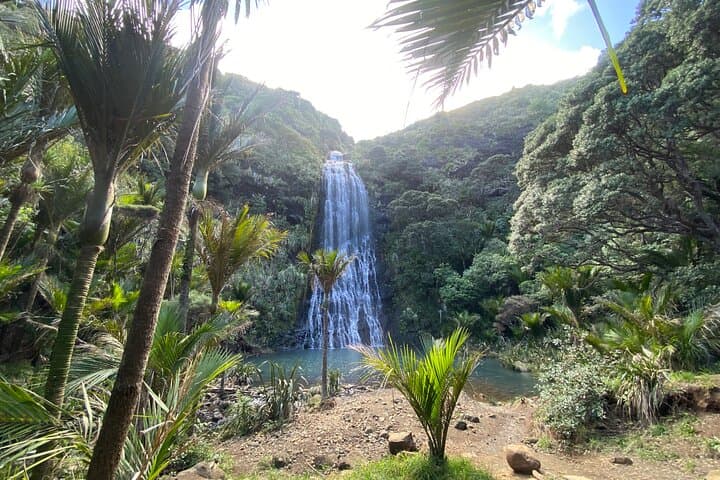
Expect short, steep sections, compacted forest tracks and a 10–30 minute stroll to key sights: Karekare Falls’ plunge pool, viewpoints that look back to the Bay of the Boisterous Seas, and a 30-minute hilly walk to a small sea cave. The black sand is volcanic and quick to retain heat; currents along the coast are strong and change with tides.
Practical guidance: allow 50–60 minutes driving each way from central Auckland, plan for 4–5 hours total, and check surf and tide conditions before swimming. Wear sturdy shoes with grip, carry layered rain protection, at least 1–2 liters of water and a small first-aid kit. Move deliberately on wet rock, respect posted signs and give wildlife space — the coast rewards patience with sweeping views and quiet pools.
moderate.
4–5 hours.
Suitable for most people with reasonable mobility; includes short steep sections and uneven terrain so basic cardiovascular fitness and balance help.
Expect 50–60 minutes from central Auckland to the West Coast beaches, depending on traffic and your pickup location.
These beaches have powerful rips and unpredictable surf; only swim at lifeguarded areas and obey local beach warnings.
Many short walks are family-friendly, but some viewpoints include steep, uneven sections — assess mobility and take it slow.
Yes — bottled water is included on the tour, but bringing extra water and snacks is recommended for the walking sections.
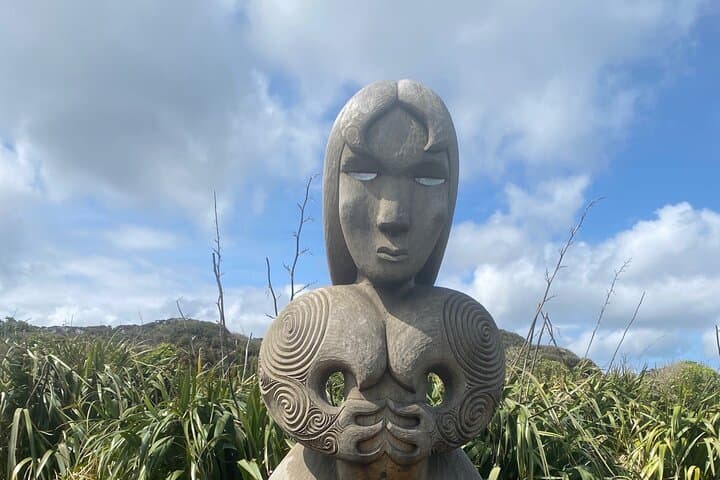
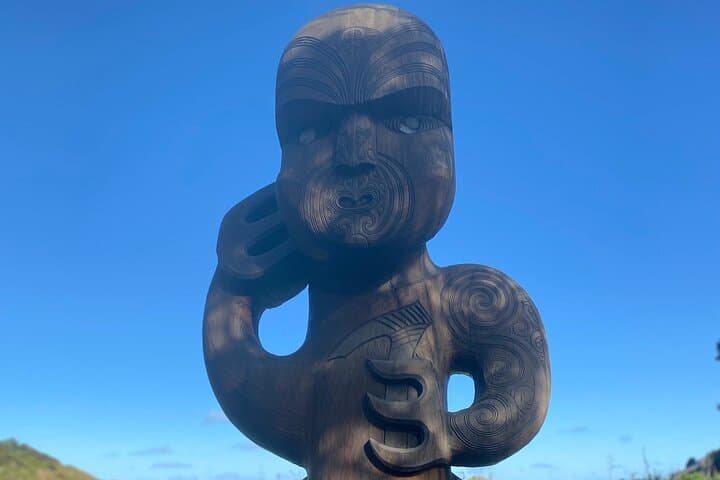
The Waitakere Ranges are part of Te Wao Nui a Tiriwa and hold significance for local Māori; the coastline’s dramatic cliffs record volcanic activity and coastal uplift.
The area is ecologically sensitive — stick to formed tracks to protect regenerating kauri and coastal dune habitats, and clean gear to prevent pest spread.
Beautiful Nature Tours Auckland operates guided outdoor trips and adventures with an emphasis on safety, stewardship, and memorable experiences.
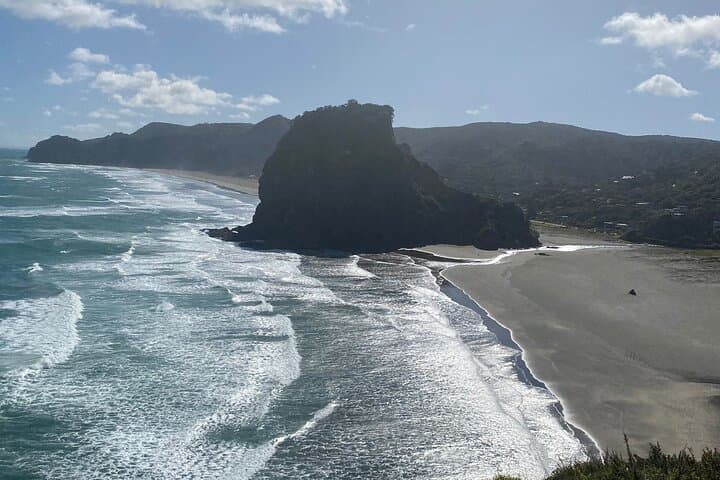
The roar of the Tasman Sea meets a rainforest that still smells of rain — you arrive on the West Coast where cliffs throw spray into the wind and black sand absorbs the late-afternoon sun. A short drive from Auckland turns urban noise into gull calls; the coast here feels deliberately untamed. Walks thread through dense rimu and kauri remnant forest, open onto steep ridgelines and descend to beaches framed by volcanic rock and Lion Rock’s squat silhouette.
The roar of the Tasman Sea meets a rainforest that still smells of rain — you arrive on the West Coast where cliffs throw spray into the wind and black sand absorbs the late-afternoon sun. A short drive from Auckland turns urban noise into gull calls; the coast here feels deliberately untamed. Walks thread through dense rimu and kauri remnant forest, open onto steep ridgelines and descend to beaches framed by volcanic rock and Lion Rock’s squat silhouette.
These shores are part of Te Wao Nui a Tiriwa, the Waitakere Ranges, a landscape shaped by ancient lava flows and more recent coastal erosion. Karekare and Piha have cultural significance for local iwi and are familiar backdrops in New Zealand cinema — the bay near Karekare featured in The Piano.
Expect short, steep sections, compacted forest tracks and a 10–30 minute stroll to key sights: Karekare Falls’ plunge pool, viewpoints that look back to the Bay of the Boisterous Seas, and a 30-minute hilly walk to a small sea cave. The black sand is volcanic and quick to retain heat; currents along the coast are strong and change with tides.
Practical guidance: allow 50–60 minutes driving each way from central Auckland, plan for 4–5 hours total, and check surf and tide conditions before swimming. Wear sturdy shoes with grip, carry layered rain protection, at least 1–2 liters of water and a small first-aid kit. Move deliberately on wet rock, respect posted signs and give wildlife space — the coast rewards patience with sweeping views and quiet pools.