THE ADVENTURE COLLECTIVE® · Independent discovery and booking for outdoor travel

Step from sand into clear water and spend 90 focused minutes over nearshore coral gardens at Pigeon Island. This shore-based snorkel is ideal for first-timers and anyone who wants reef encounters without a boat trip.
Step from sand into clear water and spend 90 focused minutes over nearshore coral gardens at Pigeon Island. This shore-based snorkel is ideal for first-timers and anyone who wants reef encounters without a boat trip.
Morning light slices the Atlantic into silver lanes as you step off soft sand and into water that wants to measure your curiosity. At Pigeon Island, guides tether expectation to the tide—short briefings, quick fits of mask and fins, and then a slow drift over coral ridges where parrotfish graze like gardeners and trumpetfish shadow the edges. The entire experience is compact—90 minutes from meeting on Beach No. 2 to return—but dense with micro-ecosystems that reward a focused gaze.
Verified experiences and guided adventures in the surrounding area.
Operated by Sealife Paradise · Gros Islet, Saint Lucia
Morning light slices the Atlantic into silver lanes as you step off soft sand and into water that wants to measure your curiosity. At Pigeon Island, guides tether expectation to the tide—short briefings, quick fits of mask and fins, and then a slow drift over coral ridges where parrotfish graze like gardeners and trumpetfish shadow the edges. The entire experience is compact—90 minutes from meeting on Beach No. 2 to return—but dense with micro-ecosystems that reward a focused gaze.
Pigeon Island was once two separate landforms joined by a causeway in the 1970s, and its strategic hilltop batteries tell a colonial story of French and British rivalry. Geologically, the northwest coast of Saint Lucia is volcanic, but the nearshore reefs here are built from reef corals and boulder substrates that have colonized calmer bays. The result is a set of snorkel sites accessible directly from shore: small bommies, shallow coral gardens, and sand channels where rays like to rest.
Culturally, Gros Islet and nearby Rodney Bay are lively foils to the tranquil reef—markets, street food, and a boating culture born of fishing and tourism. Guides here are often local fishermen or certified snorkel leaders; their knowledge of currents, fish behavior, and reef etiquette is as vital as the gear they hand you. Ask about premium packages if you want a longer boat-run to more remote sites, but the shore-based option minimizes sea sickness and maximizes time over coral.
Practically speaking: this tour is low-effort but high-engagement. The swim legs are short and typically shallow (waist-to-chest depth at entry, dropping to 10–15 feet over reefs). Visibility depends on swell and recent rain—early mornings are usually clearest—and guides will pair you with appropriate gear and stay nearby for safety. The operator includes bottled water and snorkel equipment; you bring sun protection, a reef-safe sunscreen, and a relaxed attentiveness to marine life.
Safety notes: avoid touching coral, never chase wildlife, and listen to the briefing on currents. The operator flags the activity as accessible to most fitness levels but not recommended for pregnant travelers or those with serious heart conditions.
For photographers, a small underwater camera or housing and a red filter for deeper shots will do well. Expect to leave the beach with wet hair, a pocket full of images, and a clearer sense of how the reef works: a living, weathered structure that asks nothing of you but respect.
In short, Pigeon Island’s shore-based snorkel is ideal if you want immediate access to healthy reef habitat without committing to a boat day—an efficient, low-barrier dive into Saint Lucia’s underwater neighborhood.
easy.
1.5 hours (90 minutes).
Minimal swimming ability and basic comfort in open water; suitable for most fitness levels.
The entire activity is about 90 minutes from check-in to finish, including gear fitting and a brief safety talk.
No—sites are shore-based with shallow entry points; basic swimming comfort is sufficient and guides stay nearby.
Yes—snorkel masks, fins, and snorkels are included in the tour price.
Yes—children can join but operators may set minimum age or require parental supervision; inquire during booking.
Bring a towel, reef-safe sunscreen, swimsuit, water shoes or flip-flops, and a waterproof pouch for valuables.
The operator cancels in unsafe conditions; full refunds are available if you cancel at least 24 hours prior or if the tour is canceled due to weather.
Pigeon Island served as a lookout and military post during French and British clashes; the causeway that joins it to the mainland was constructed in the 1970s.
Local operators emphasize reef etiquette and use reef-safe products; avoiding contact and anchoring helps protect fragile coral communities.
Sealife Paradise operates guided outdoor trips and adventures with an emphasis on safety, stewardship, and memorable experiences.
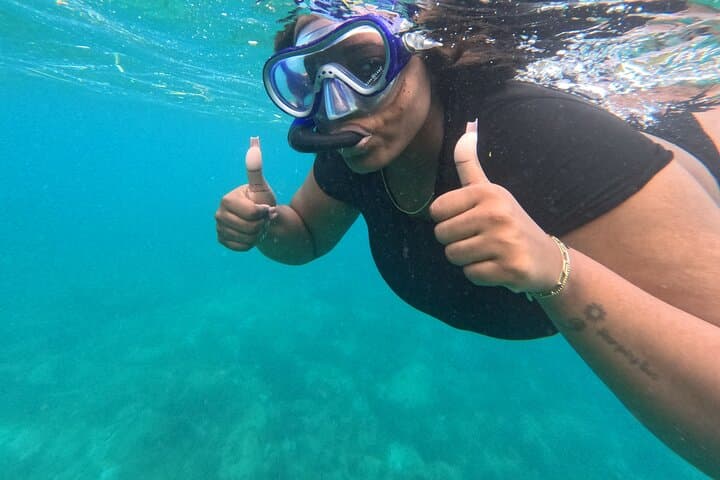
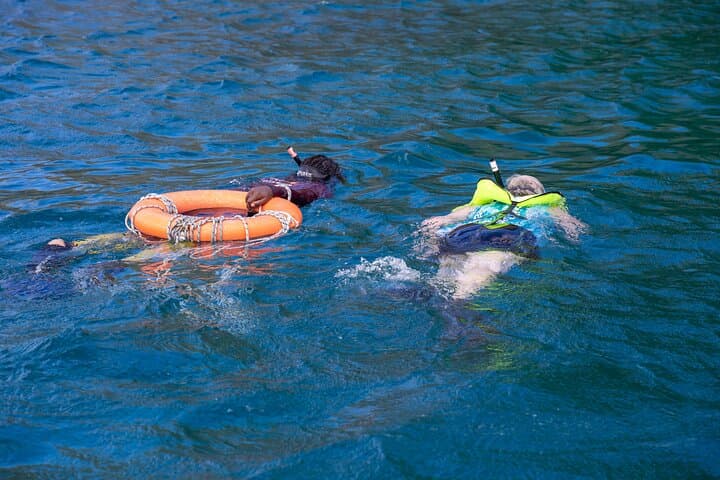
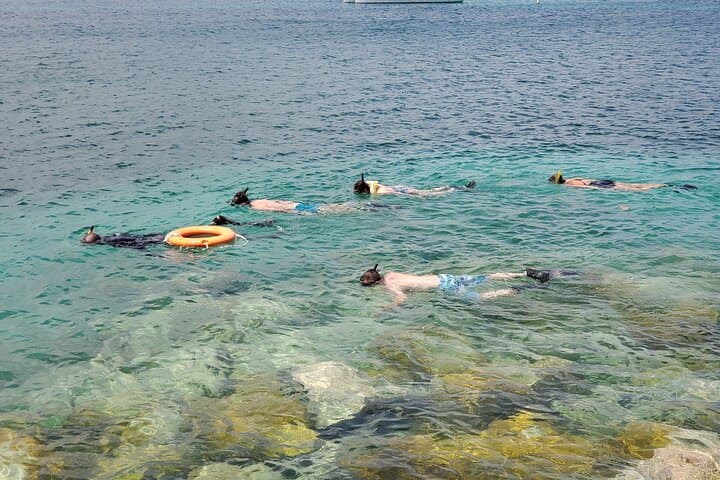
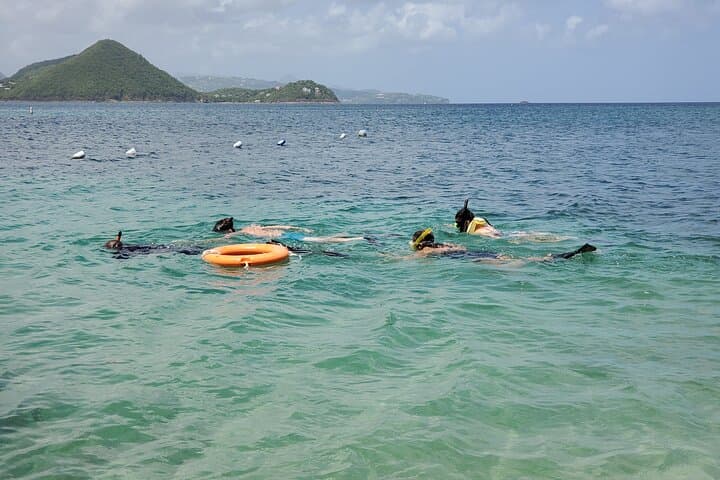
Morning light slices the Atlantic into silver lanes as you step off soft sand and into water that wants to measure your curiosity. At Pigeon Island, guides tether expectation to the tide—short briefings, quick fits of mask and fins, and then a slow drift over coral ridges where parrotfish graze like gardeners and trumpetfish shadow the edges. The entire experience is compact—90 minutes from meeting on Beach No. 2 to return—but dense with micro-ecosystems that reward a focused gaze.
Morning light slices the Atlantic into silver lanes as you step off soft sand and into water that wants to measure your curiosity. At Pigeon Island, guides tether expectation to the tide—short briefings, quick fits of mask and fins, and then a slow drift over coral ridges where parrotfish graze like gardeners and trumpetfish shadow the edges. The entire experience is compact—90 minutes from meeting on Beach No. 2 to return—but dense with micro-ecosystems that reward a focused gaze.
Pigeon Island was once two separate landforms joined by a causeway in the 1970s, and its strategic hilltop batteries tell a colonial story of French and British rivalry. Geologically, the northwest coast of Saint Lucia is volcanic, but the nearshore reefs here are built from reef corals and boulder substrates that have colonized calmer bays. The result is a set of snorkel sites accessible directly from shore: small bommies, shallow coral gardens, and sand channels where rays like to rest.
Culturally, Gros Islet and nearby Rodney Bay are lively foils to the tranquil reef—markets, street food, and a boating culture born of fishing and tourism. Guides here are often local fishermen or certified snorkel leaders; their knowledge of currents, fish behavior, and reef etiquette is as vital as the gear they hand you. Ask about premium packages if you want a longer boat-run to more remote sites, but the shore-based option minimizes sea sickness and maximizes time over coral.
Practically speaking: this tour is low-effort but high-engagement. The swim legs are short and typically shallow (waist-to-chest depth at entry, dropping to 10–15 feet over reefs). Visibility depends on swell and recent rain—early mornings are usually clearest—and guides will pair you with appropriate gear and stay nearby for safety. The operator includes bottled water and snorkel equipment; you bring sun protection, a reef-safe sunscreen, and a relaxed attentiveness to marine life.
Safety notes: avoid touching coral, never chase wildlife, and listen to the briefing on currents. The operator flags the activity as accessible to most fitness levels but not recommended for pregnant travelers or those with serious heart conditions.
For photographers, a small underwater camera or housing and a red filter for deeper shots will do well. Expect to leave the beach with wet hair, a pocket full of images, and a clearer sense of how the reef works: a living, weathered structure that asks nothing of you but respect.
In short, Pigeon Island’s shore-based snorkel is ideal if you want immediate access to healthy reef habitat without committing to a boat day—an efficient, low-barrier dive into Saint Lucia’s underwater neighborhood.