THE ADVENTURE COLLECTIVE® · Independent discovery and booking for outdoor travel

Paddle around Pigeon Island’s sheltered coves on a private guided tour from Rodney Bay. Small groups, a local guide, and calm Caribbean water make this a relaxed way to see St. Lucia’s coastal history and marine life.
Paddle around Pigeon Island’s sheltered coves on a private guided tour from Rodney Bay. Small groups, a local guide, and calm Caribbean water make this a relaxed way to see St. Lucia’s coastal history and marine life.
Morning light slices across Rodney Bay as you push off from the blue beachfront tent and slide a kayak into glassy Caribbean water.
The sea dares you forward with just enough current to move you along while the island’s low crags and ruined fortifications keep a quiet watch. A short safety briefing precedes a guided sweep around Pigeon Island’s northern shoals; the guide points out coral fingers, shallow reefs, and hidden sand flats where pelicans and herons fish.
Pigeon Island’s history is visible: British and French colonial earthworks, a restored 18th-century fort, and the causeway that joined the islet to the mainland in the 1970s. Geology here mixes volcanic basalt outcrops with younger coral formations, producing clear pockets of snorkeling-friendly water and sandy beaches that invite a quick stop.
Local culture threads through the trip — guides share Creole place names and hand out fresh fruit and non-alcoholic refreshments, and you leave with a handcrafted keepsake. The tour’s small-group format (max 5) keeps the pace relaxed and personal.
Plan for calm mornings or late-afternoon light when winds are lighter and visibility is best. Wear reef-safe sunscreen, sturdy water shoes, and a brimmed hat; bring a small dry bag and your camera. Expect 45–60 minutes paddling with about 90 minutes total at the meeting point. This is a beginner-friendly paddle with moderate fitness expected; it’s an easy way to combine light exercise, coastal history, and nearshore marine life on Saint Lucia’s northern shoreline.
Verified experiences and guided adventures in the surrounding area.
Operated by Sealife Paradise · Gros Islet, Gros Islet Quarter
Morning light slices across Rodney Bay as you push off from the blue beachfront tent and slide a kayak into glassy Caribbean water.
The sea dares you forward with just enough current to move you along while the island’s low crags and ruined fortifications keep a quiet watch. A short safety briefing precedes a guided sweep around Pigeon Island’s northern shoals; the guide points out coral fingers, shallow reefs, and hidden sand flats where pelicans and herons fish.
Pigeon Island’s history is visible: British and French colonial earthworks, a restored 18th-century fort, and the causeway that joined the islet to the mainland in the 1970s. Geology here mixes volcanic basalt outcrops with younger coral formations, producing clear pockets of snorkeling-friendly water and sandy beaches that invite a quick stop.
Local culture threads through the trip — guides share Creole place names and hand out fresh fruit and non-alcoholic refreshments, and you leave with a handcrafted keepsake. The tour’s small-group format (max 5) keeps the pace relaxed and personal.
Plan for calm mornings or late-afternoon light when winds are lighter and visibility is best. Wear reef-safe sunscreen, sturdy water shoes, and a brimmed hat; bring a small dry bag and your camera. Expect 45–60 minutes paddling with about 90 minutes total at the meeting point. This is a beginner-friendly paddle with moderate fitness expected; it’s an easy way to combine light exercise, coastal history, and nearshore marine life on Saint Lucia’s northern shoreline.
moderate.
1–1.5 hours.
Moderate—should be able to paddle for up to an hour and handle short beach landings
Expect about 45–60 minutes of paddling within a 90-minute meeting window that includes a safety briefing and any short beach stops.
No — the tour is suitable for beginners, with a brief safety lesson and guided support throughout.
Children can join but infants must sit on an adult’s lap; confirm age and weight limits with the operator when booking.
Tours cancel under unsafe weather; you can get a full refund if canceled at least 24 hours before departure per the booking policy.
Pigeon Island was a strategic military site in the 18th century with forts used during French-British conflicts; a 1970s causeway connected it to the mainland.
Operators encourage reef-safe products and minimal anchoring to protect coral; stick to marked landing spots to reduce erosion and habitat damage.
Sealife Paradise operates guided outdoor trips and adventures with an emphasis on safety, stewardship, and memorable experiences.
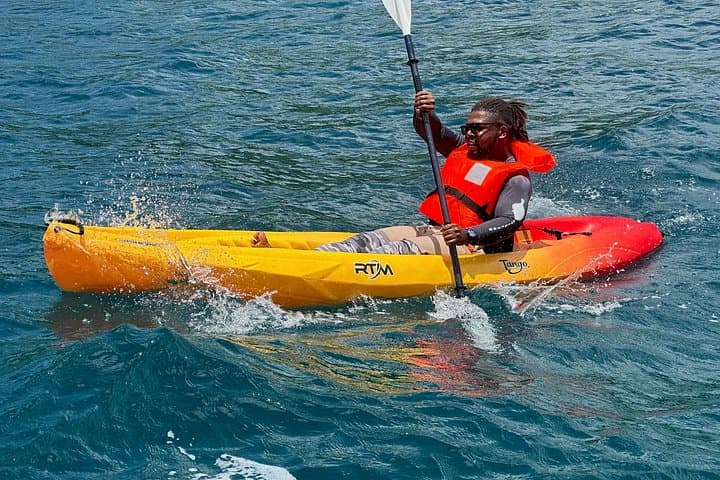
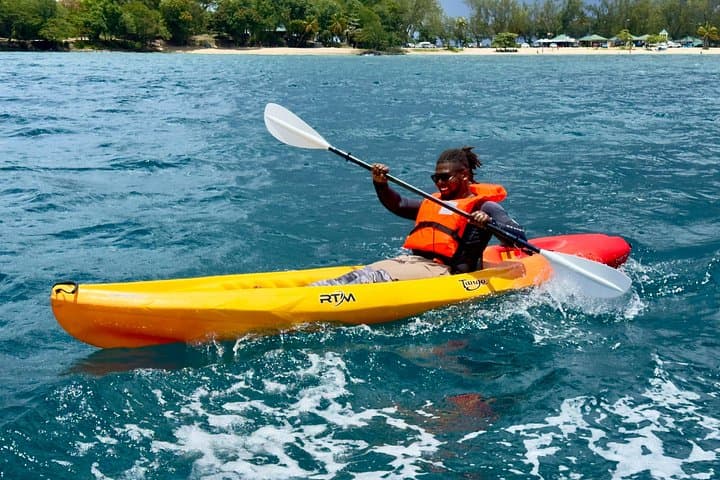
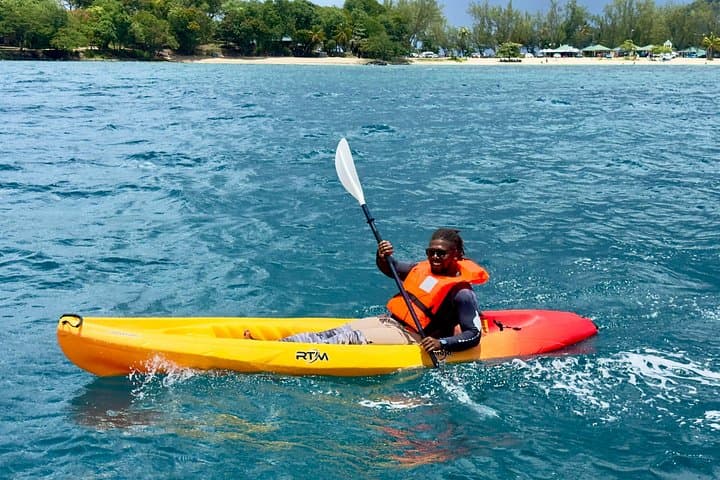
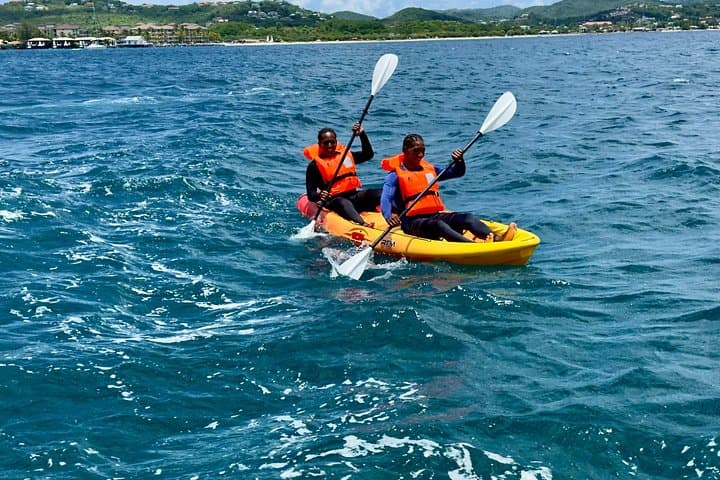
Morning light slices across Rodney Bay as you push off from the blue beachfront tent and slide a kayak into glassy Caribbean water.
The sea dares you forward with just enough current to move you along while the island’s low crags and ruined fortifications keep a quiet watch. A short safety briefing precedes a guided sweep around Pigeon Island’s northern shoals; the guide points out coral fingers, shallow reefs, and hidden sand flats where pelicans and herons fish.
Pigeon Island’s history is visible: British and French colonial earthworks, a restored 18th-century fort, and the causeway that joined the islet to the mainland in the 1970s. Geology here mixes volcanic basalt outcrops with younger coral formations, producing clear pockets of snorkeling-friendly water and sandy beaches that invite a quick stop.
Local culture threads through the trip — guides share Creole place names and hand out fresh fruit and non-alcoholic refreshments, and you leave with a handcrafted keepsake. The tour’s small-group format (max 5) keeps the pace relaxed and personal.
Plan for calm mornings or late-afternoon light when winds are lighter and visibility is best. Wear reef-safe sunscreen, sturdy water shoes, and a brimmed hat; bring a small dry bag and your camera. Expect 45–60 minutes paddling with about 90 minutes total at the meeting point. This is a beginner-friendly paddle with moderate fitness expected; it’s an easy way to combine light exercise, coastal history, and nearshore marine life on Saint Lucia’s northern shoreline.
Morning light slices across Rodney Bay as you push off from the blue beachfront tent and slide a kayak into glassy Caribbean water.
The sea dares you forward with just enough current to move you along while the island’s low crags and ruined fortifications keep a quiet watch. A short safety briefing precedes a guided sweep around Pigeon Island’s northern shoals; the guide points out coral fingers, shallow reefs, and hidden sand flats where pelicans and herons fish.
Pigeon Island’s history is visible: British and French colonial earthworks, a restored 18th-century fort, and the causeway that joined the islet to the mainland in the 1970s. Geology here mixes volcanic basalt outcrops with younger coral formations, producing clear pockets of snorkeling-friendly water and sandy beaches that invite a quick stop.
Local culture threads through the trip — guides share Creole place names and hand out fresh fruit and non-alcoholic refreshments, and you leave with a handcrafted keepsake. The tour’s small-group format (max 5) keeps the pace relaxed and personal.
Plan for calm mornings or late-afternoon light when winds are lighter and visibility is best. Wear reef-safe sunscreen, sturdy water shoes, and a brimmed hat; bring a small dry bag and your camera. Expect 45–60 minutes paddling with about 90 minutes total at the meeting point. This is a beginner-friendly paddle with moderate fitness expected; it’s an easy way to combine light exercise, coastal history, and nearshore marine life on Saint Lucia’s northern shoreline.