THE ADVENTURE COLLECTIVE® · Independent discovery and booking for outdoor travel

Turn a quick stop in Pigeon Forge into a hands-on geology lesson — sift through flumes of river rock to uncover quartz, jasper, amethyst and fossils. Ideal for families, this 30–45 minute experience pairs easy accessibility with a tactile introduction to local mineralogy.
Turn a quick stop in Pigeon Forge into a hands-on geology lesson — sift through flumes of river rock to uncover quartz, jasper, amethyst and fossils. Ideal for families, this 30–45 minute experience pairs easy accessibility with a tactile introduction to local mineralogy.
You step up to a wooden flume and the sound of water nudges the bucket of river rock; small hands reach in, sift, and a flash of color appears — a pocket of amethyst, a fleck of garnet. The flumes at Pigeon Forge Gem Mine have a rhythm: water moving, stones tumbling, and the quick exchange when a new find is uncovered.
Verified experiences and guided adventures in the surrounding area.
Operated by Pigeon Forge Gem Mine · Pigeon Forge, Tennessee
You step up to a wooden flume and the sound of water nudges the bucket of river rock; small hands reach in, sift, and a flash of color appears — a pocket of amethyst, a fleck of garnet. The flumes at Pigeon Forge Gem Mine have a rhythm: water moving, stones tumbling, and the quick exchange when a new find is uncovered.
The practice echoes old placer mining techniques where water separates heavier minerals from sediment. In the Smokies that means quartz, jasper, agate and occasional fossils surface for the curious. Pigeon Forge itself is a town born from mountain craft and tourism; gem panning here is part hands-on geology lesson, part roadside attraction that keeps local mineralogy accessible to visitors of all ages.
Expect a short, tactile visit—most buckets take 30–45 minutes. Staff will help ID common stones and explain simple geology: how some crystals form in pockets of cooling rock and how river action exposes them. The setting is a family-focused, wheelchair- and stroller-accessible shop on the Parkway, minutes from Dollywood and the foothills leading toward Great Smoky Mountains National Park.
Practical tips: bring a small carry bag for finds, keep children within arm’s reach around wet flumes, and plan mornings or late afternoons to avoid peak foot traffic. The site operates on a no-refund policy; have your mobile ticket ready. For collectors, a little elbow grease and a rinsing station are all you need to turn a short stop into a memorable hands-on geology lesson.
easy.
30–45 minutes.
Suitable for all fitness levels; involves standing and light bending for short periods.
Most visitors spend 30–45 minutes per bucket; active sifting time varies with how thorough you are.
Yes — the site is stroller- and wheelchair-accessible, but children should be supervised at all times around water.
Yes — every gem you uncover is yours to take home; staff can help identify and bag your finds.
All sales are final according to booking terms; confirm hours and bring your mobile ticket as there are no refunds.
Gem panning echoes Appalachian placer-mining traditions where rivers and weathered rock made small mineral deposits accessible to surface collectors.
This attraction uses small, controlled flumes and sourced materials to avoid impacting local waterways; pack out trash and respect wildlife when exploring nearby natural areas.
Pigeon Forge Gem Mine operates guided outdoor trips and adventures with an emphasis on safety, stewardship, and memorable experiences.
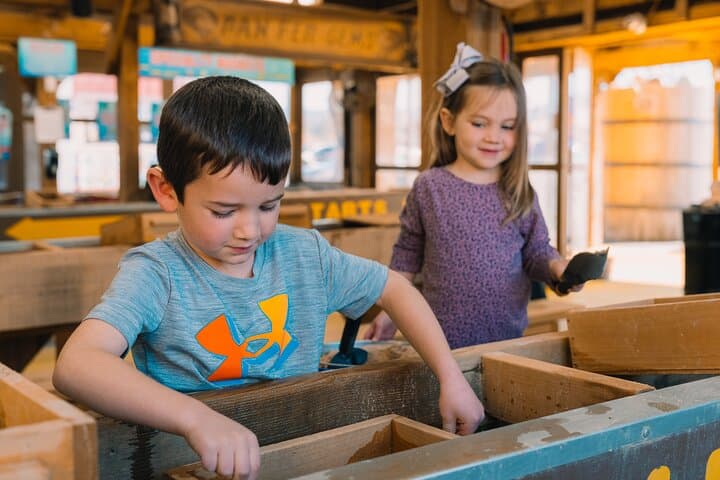
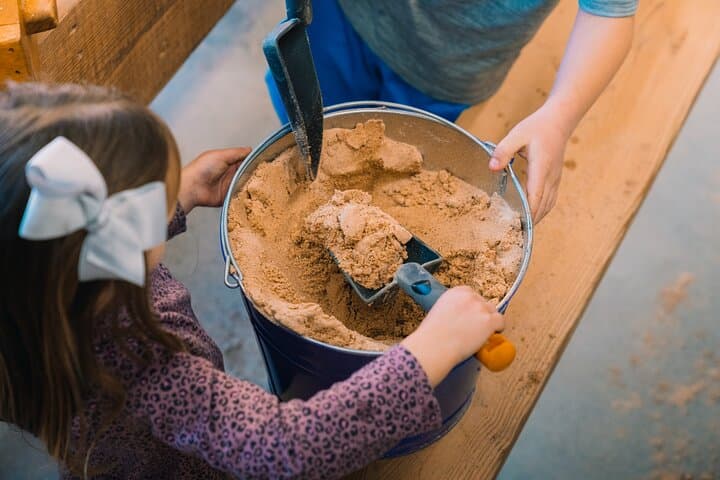
You step up to a wooden flume and the sound of water nudges the bucket of river rock; small hands reach in, sift, and a flash of color appears — a pocket of amethyst, a fleck of garnet. The flumes at Pigeon Forge Gem Mine have a rhythm: water moving, stones tumbling, and the quick exchange when a new find is uncovered.
You step up to a wooden flume and the sound of water nudges the bucket of river rock; small hands reach in, sift, and a flash of color appears — a pocket of amethyst, a fleck of garnet. The flumes at Pigeon Forge Gem Mine have a rhythm: water moving, stones tumbling, and the quick exchange when a new find is uncovered.
The practice echoes old placer mining techniques where water separates heavier minerals from sediment. In the Smokies that means quartz, jasper, agate and occasional fossils surface for the curious. Pigeon Forge itself is a town born from mountain craft and tourism; gem panning here is part hands-on geology lesson, part roadside attraction that keeps local mineralogy accessible to visitors of all ages.
Expect a short, tactile visit—most buckets take 30–45 minutes. Staff will help ID common stones and explain simple geology: how some crystals form in pockets of cooling rock and how river action exposes them. The setting is a family-focused, wheelchair- and stroller-accessible shop on the Parkway, minutes from Dollywood and the foothills leading toward Great Smoky Mountains National Park.
Practical tips: bring a small carry bag for finds, keep children within arm’s reach around wet flumes, and plan mornings or late afternoons to avoid peak foot traffic. The site operates on a no-refund policy; have your mobile ticket ready. For collectors, a little elbow grease and a rinsing station are all you need to turn a short stop into a memorable hands-on geology lesson.