THE ADVENTURE COLLECTIVE® · Independent discovery and booking for outdoor travel

A full-day circuit from Salar de Atacama to Piedras Rojas and the highland lakes—expect red rock outcrops, turquoise lagoons above 4,000 m, and sightings of flamingos and vicuñas. Plan for altitude, sun, and a long day of driving and short hikes.
A full-day circuit from Salar de Atacama to Piedras Rojas and the highland lakes—expect red rock outcrops, turquoise lagoons above 4,000 m, and sightings of flamingos and vicuñas. Plan for altitude, sun, and a long day of driving and short hikes.
A chill wind pushes across a flat white plain and the high Andes rise like a row of silent gates—the Red Stones Tour drops travelers into that elemental world. Beginning near the vast mirrors of Salar de Atacama and moving steadily upward past salt crusts and scrub, the route reaches Piedras Rojas more than 4,000 meters above sea level. There the landscape cleaves into crimson rock faces and turquoise lagoons; distant volcanoes frame Miscanti and Miñiques, their basalt flanks holding traces of volcanic sculpting.
Verified experiences and guided adventures in the surrounding area.
Operated by Atacama Extrema spa · San Pedro de Atacama, Antofagasta Region
A chill wind pushes across a flat white plain and the high Andes rise like a row of silent gates—the Red Stones Tour drops travelers into that elemental world. Beginning near the vast mirrors of Salar de Atacama and moving steadily upward past salt crusts and scrub, the route reaches Piedras Rojas more than 4,000 meters above sea level. There the landscape cleaves into crimson rock faces and turquoise lagoons; distant volcanoes frame Miscanti and Miñiques, their basalt flanks holding traces of volcanic sculpting.
The region is shaped by millennia of volcanic activity and evaporative geology: salt pans, uplifted lake beds, and lava flows carved the highland basins. Indigenous Atacameño communities once and still manage water and grazing corridors—Toconao’s white stone church and bell tower speak to colonial-era missions layered on pre-Hispanic routes. Wildlife is tuned to altitude—flamingos probe shallow salt lagoons while vicuñas and foxes move upslope at dawn.
Practically, this is a long, altitude-rich day: expect vehicle transfers over rough highland roads, short hikes at altitude, and open exposures to sun and wind. Acclimatization matters—start slowly, sleep low the night before, and carry at least 2–3 liters of water. Footwear should be sturdy for uneven salt and volcanic scree; layers are essential for rapid temperature swing. Tours typically include breakfast, lunch, park fees, and a local guide; hospitality in Toconao offers cultural context on the way. Time your visit for clear weather and mid-morning light on the red rocks for the strongest colors, and leave room in your schedule to simply stand and watch the highland sky shift as the sun drops behind the volcanoes.
challenging.
12–13 hours.
Moderate to fit—able to handle a long day of travel at high altitude and short hikes; prior light hiking experience recommended
Sites like Piedras Rojas and the Miscanti–Miñiques area sit around 4,000 meters (13,000 feet); expect thinner air and cooler temperatures.
Typical tours include breakfast, lunch, and reserve admission fees, but confirm specifics at booking—special dietary requests should be flagged in advance.
This tour is not recommended for pregnant travelers or anyone with serious heart or spinal issues; children should be acclimatized and able to tolerate long drives and altitude.
Common sightings include Andean flamingos in the salt lagoons, plus vicuñas and Andean foxes in higher puna areas—wildlife sightings are seasonal and not guaranteed.
The highland basins have been used for millennia by Atacameño communities; colonial-era churches such as Toconao’s reflect blended indigenous and Spanish influences.
Los Flamencos National Reserve regulates access to protect flamingo habitats and fragile salt crusts—stay on designated paths and avoid collecting minerals or disturbing wildlife.
Atacama Extrema spa operates guided outdoor trips and adventures with an emphasis on safety, stewardship, and memorable experiences.
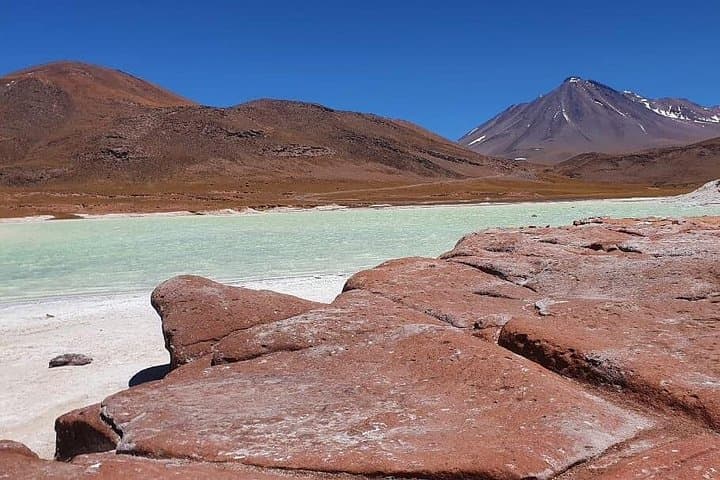
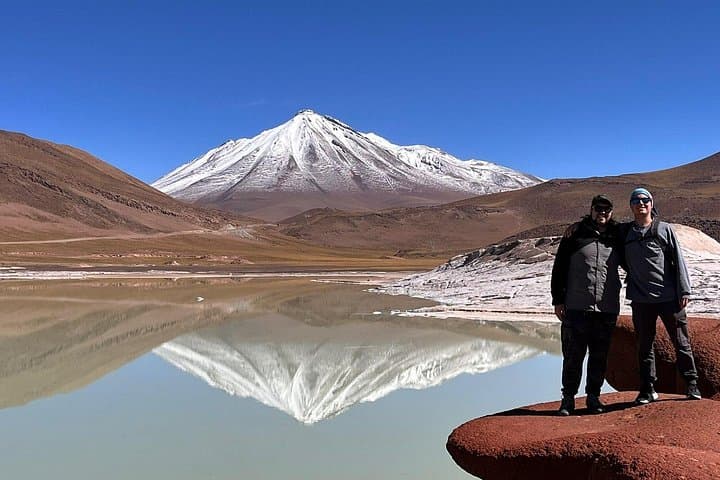
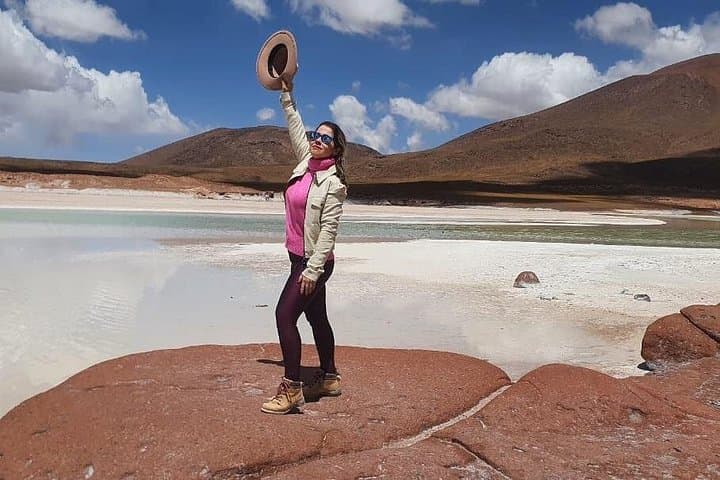
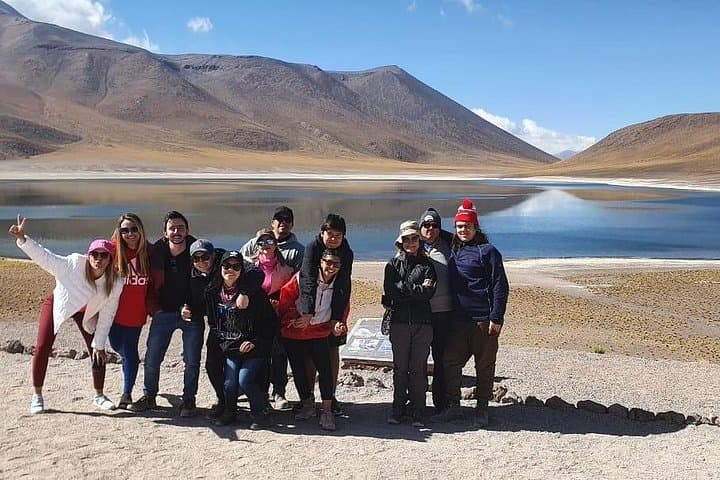
A chill wind pushes across a flat white plain and the high Andes rise like a row of silent gates—the Red Stones Tour drops travelers into that elemental world. Beginning near the vast mirrors of Salar de Atacama and moving steadily upward past salt crusts and scrub, the route reaches Piedras Rojas more than 4,000 meters above sea level. There the landscape cleaves into crimson rock faces and turquoise lagoons; distant volcanoes frame Miscanti and Miñiques, their basalt flanks holding traces of volcanic sculpting.
A chill wind pushes across a flat white plain and the high Andes rise like a row of silent gates—the Red Stones Tour drops travelers into that elemental world. Beginning near the vast mirrors of Salar de Atacama and moving steadily upward past salt crusts and scrub, the route reaches Piedras Rojas more than 4,000 meters above sea level. There the landscape cleaves into crimson rock faces and turquoise lagoons; distant volcanoes frame Miscanti and Miñiques, their basalt flanks holding traces of volcanic sculpting.
The region is shaped by millennia of volcanic activity and evaporative geology: salt pans, uplifted lake beds, and lava flows carved the highland basins. Indigenous Atacameño communities once and still manage water and grazing corridors—Toconao’s white stone church and bell tower speak to colonial-era missions layered on pre-Hispanic routes. Wildlife is tuned to altitude—flamingos probe shallow salt lagoons while vicuñas and foxes move upslope at dawn.
Practically, this is a long, altitude-rich day: expect vehicle transfers over rough highland roads, short hikes at altitude, and open exposures to sun and wind. Acclimatization matters—start slowly, sleep low the night before, and carry at least 2–3 liters of water. Footwear should be sturdy for uneven salt and volcanic scree; layers are essential for rapid temperature swing. Tours typically include breakfast, lunch, park fees, and a local guide; hospitality in Toconao offers cultural context on the way. Time your visit for clear weather and mid-morning light on the red rocks for the strongest colors, and leave room in your schedule to simply stand and watch the highland sky shift as the sun drops behind the volcanoes.