THE ADVENTURE COLLECTIVE® · Independent discovery and booking for outdoor travel

A brisk, half-day climb from Colombo that pairs the rugged summit of Pidurangala with sweeping views of Sigiriya Rock Fortress. Expect steep steps, light scrambling and a summit that delivers history and panorama for modest effort.
A brisk, half-day climb from Colombo that pairs the rugged summit of Pidurangala with sweeping views of Sigiriya Rock Fortress. Expect steep steps, light scrambling and a summit that delivers history and panorama for modest effort.
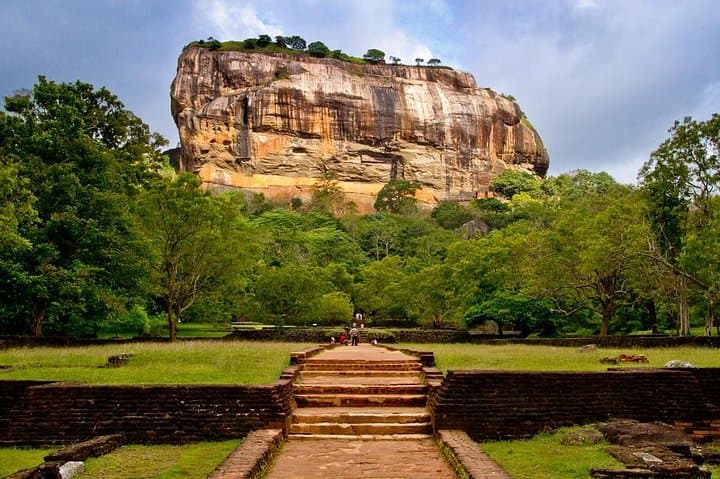
You step out of the van while the heat lingers off the tarmac and the two colossal outcrops—Sigiriya’s fortress and the squat bulk of Pidurangala—sit like ancient sentries over the scrub. The climb begins on a worn path, then turns to a mix of carved steps, exposed roots and a few low-slung scrambles that test balance more than bravery. Air moves through the trees as if nudging climbers forward; the rocks themselves seem to hold a slow, patient memory of kings and monks.
Verified experiences and guided adventures in the surrounding area.
Operated by Apple Vacations Pvt Ltd · Sigiriya, Central Province
You step out of the van while the heat lingers off the tarmac and the two colossal outcrops—Sigiriya’s fortress and the squat bulk of Pidurangala—sit like ancient sentries over the scrub. The climb begins on a worn path, then turns to a mix of carved steps, exposed roots and a few low-slung scrambles that test balance more than bravery. Air moves through the trees as if nudging climbers forward; the rocks themselves seem to hold a slow, patient memory of kings and monks.
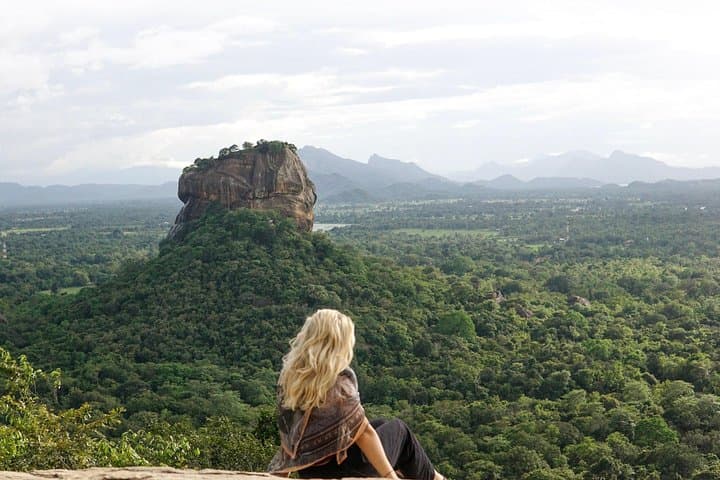
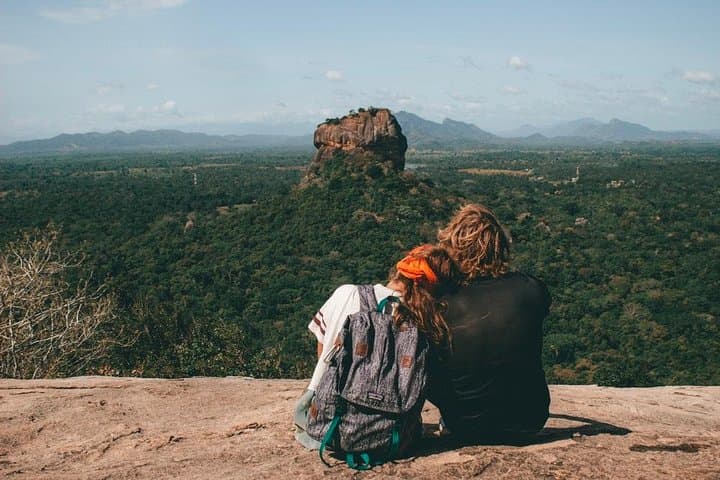
Pidurangala’s route is less manicured than Sigiriya’s tourist stairways; it rewards effort with a broader, wilder panorama. From the top you get a view that reorders the region—the lion-pawed silhouette of Sigiriya juts from the plain, rice paddies fan outward, and distant hills stitch the horizon.
History sits on these cliffs. In the 5th century King Kasyapa built his fortress on Sigiriya after displacing monks to Pidurangala, where a cave-temple still shelters Buddha images and a stupa reportedly linked to the king’s cremation. Stonework, later-period murals and a mix of Buddhist and Hindu relics reveal centuries of religious change and local devotion.
Geologically, both rocks are Precambrian charnockite—their hardness explains why they remain while softer materials eroded away. Culturally, the climb connects you to rural village life: farmers in paddy fields, temple devotees at prayer, and local guides who read the land with the same ease they read the weather.
Practically, the tour is a compact half-day from Colombo (roughly 4–5 hours including drive time and transfers). Expect 200–250 meters of elevation gain and about 1–1.5 km of steep, uneven trail each way; a fit person can summit Pidurangala in 20–30 minutes, but most groups take 60–90 minutes round-trip with stops.
Tips that matter: start early to avoid midday heat and catch sunrise over Sigiriya; wear grippy shoes for the scrambling sections; carry at least 1–2 liters of water and sun protection; and follow temple etiquette—remove shoes and cover shoulders and knees.
The climb is physically engaging but non-technical; no ropes required, though some sections ask for basic scrambling and sure-footedness. The reward is a raw viewpoint few tours deliver: an expansive, quiet summit where the plain opens beneath you and history feels present rather than placarded. For half a day’s effort this is one of Sri Lanka’s most immediate ways to touch landscape, legend and local life in a single ascent.
moderate.
5 hours (round-trip including transfers).
Moderate fitness: able to handle 200–250 m elevation gain, short scrambles and uneven steps.
The climb itself can take 20–30 minutes for fit climbers; plan 60–90 minutes round-trip with stops. The full tour from Colombo is roughly 5 hours including transfers.
No special permit is required for Pidurangala, but guided tours provide context and arrange transport from Colombo.
No technical climbing gear is required; expect some scrambling and steep steps—good footwear is essential.
Yes—remove footwear and cover shoulders and knees. Respect prayer areas and avoid loud behavior in worship spaces.
Children who are steady on uneven terrain can join, but the route has steep sections; assess individually and keep kids supervised.
Sunrise or early morning for cooler temperatures, fewer visitors, and dramatic light on Sigiriya.
Pidurangala served as an alternate monastery when King Kasyapa built Sigiriya in the 5th century; the site contains a stupa linked to historical cremation lore.
Trail erosion and litter are local concerns—stick to paths, carry out waste and consider hiring local guides who support village economies.
Apple Vacations Pvt Ltd operates guided outdoor trips and adventures with an emphasis on safety, stewardship, and memorable experiences.
You step out of the van while the heat lingers off the tarmac and the two colossal outcrops—Sigiriya’s fortress and the squat bulk of Pidurangala—sit like ancient sentries over the scrub. The climb begins on a worn path, then turns to a mix of carved steps, exposed roots and a few low-slung scrambles that test balance more than bravery. Air moves through the trees as if nudging climbers forward; the rocks themselves seem to hold a slow, patient memory of kings and monks.
You step out of the van while the heat lingers off the tarmac and the two colossal outcrops—Sigiriya’s fortress and the squat bulk of Pidurangala—sit like ancient sentries over the scrub. The climb begins on a worn path, then turns to a mix of carved steps, exposed roots and a few low-slung scrambles that test balance more than bravery. Air moves through the trees as if nudging climbers forward; the rocks themselves seem to hold a slow, patient memory of kings and monks.
Pidurangala’s route is less manicured than Sigiriya’s tourist stairways; it rewards effort with a broader, wilder panorama. From the top you get a view that reorders the region—the lion-pawed silhouette of Sigiriya juts from the plain, rice paddies fan outward, and distant hills stitch the horizon.
History sits on these cliffs. In the 5th century King Kasyapa built his fortress on Sigiriya after displacing monks to Pidurangala, where a cave-temple still shelters Buddha images and a stupa reportedly linked to the king’s cremation. Stonework, later-period murals and a mix of Buddhist and Hindu relics reveal centuries of religious change and local devotion.
Geologically, both rocks are Precambrian charnockite—their hardness explains why they remain while softer materials eroded away. Culturally, the climb connects you to rural village life: farmers in paddy fields, temple devotees at prayer, and local guides who read the land with the same ease they read the weather.
Practically, the tour is a compact half-day from Colombo (roughly 4–5 hours including drive time and transfers). Expect 200–250 meters of elevation gain and about 1–1.5 km of steep, uneven trail each way; a fit person can summit Pidurangala in 20–30 minutes, but most groups take 60–90 minutes round-trip with stops.
Tips that matter: start early to avoid midday heat and catch sunrise over Sigiriya; wear grippy shoes for the scrambling sections; carry at least 1–2 liters of water and sun protection; and follow temple etiquette—remove shoes and cover shoulders and knees.
The climb is physically engaging but non-technical; no ropes required, though some sections ask for basic scrambling and sure-footedness. The reward is a raw viewpoint few tours deliver: an expansive, quiet summit where the plain opens beneath you and history feels present rather than placarded. For half a day’s effort this is one of Sri Lanka’s most immediate ways to touch landscape, legend and local life in a single ascent.