THE ADVENTURE COLLECTIVE® · Independent discovery and booking for outdoor travel

Explore Pico Island’s UNESCO-listed vineyards on an eight-hour tour through basalt currais, family wineries and a wine museum. Taste mineral-driven wines, walk centenary plots and learn the island techniques that shaped this Atlantic viticulture.
Explore Pico Island’s UNESCO-listed vineyards on an eight-hour tour through basalt currais, family wineries and a wine museum. Taste mineral-driven wines, walk centenary plots and learn the island techniques that shaped this Atlantic viticulture.
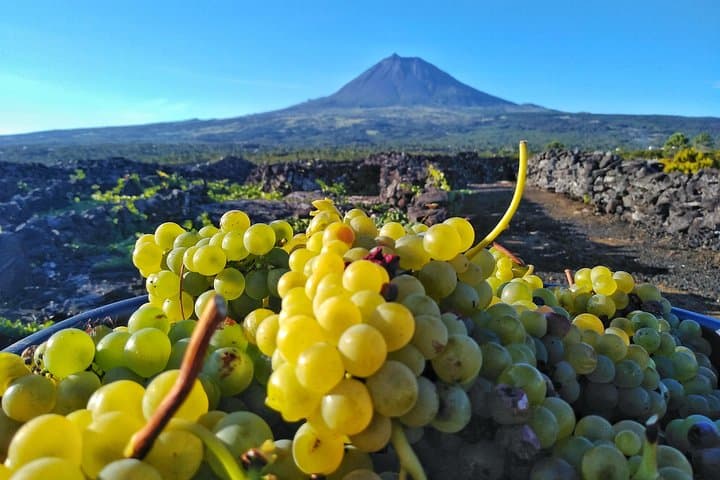
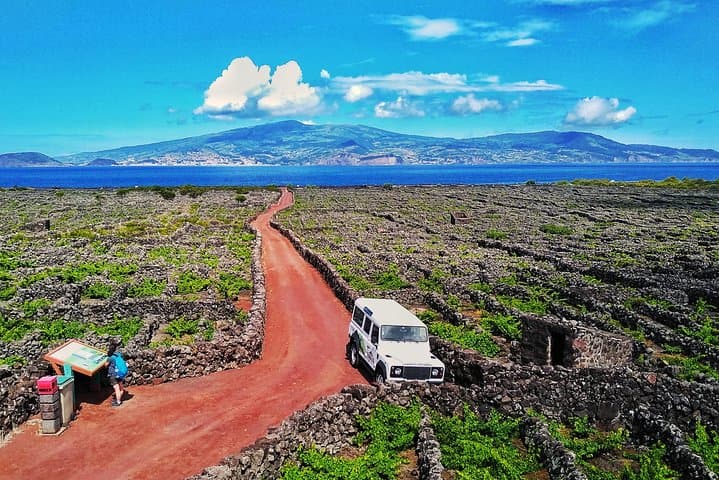
You step off a low-slung minibus into wind-sculpted rows of black volcanic stone and vines that have learned to read the Atlantic. Sea spray and sun strike the same skin here; the walls—curtains of basalt—hold heat and protect the tender grapes from the ocean’s bite.
Verified experiences and guided adventures in the surrounding area.
Operated by Terralta Nature Tours · Madalena, Azores
You step off a low-slung minibus into wind-sculpted rows of black volcanic stone and vines that have learned to read the Atlantic. Sea spray and sun strike the same skin here; the walls—curtains of basalt—hold heat and protect the tender grapes from the ocean’s bite.
The tour traces Pico’s winemaking arc: 19th-century settlers carving plots from lava fields, a centuries-old system of currais (stone enclosures) and the 2004 UNESCO recognition of the landscape. Geology is the story—porous basalt, thin soil, and a climate that forces vines to fight, producing concentrated grapes and wines with salty, mineral-driven profiles.
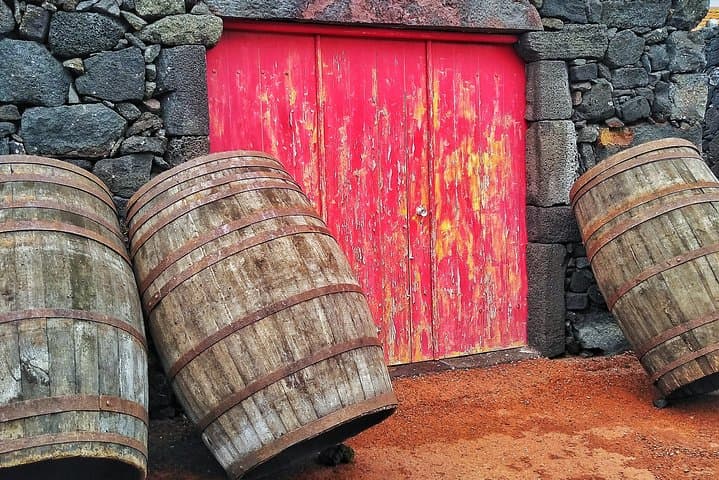
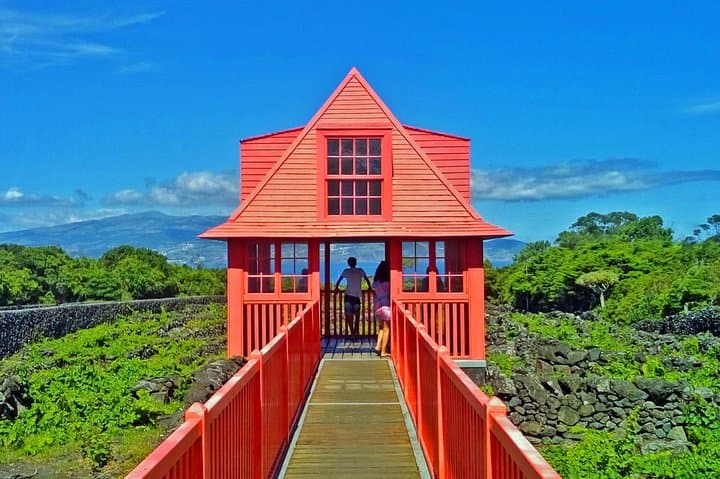
Culturally, wine in Madalena is communal: small producers, family cellars and a vineyard museum that explains traditional presses and fermentation methods unchanged for generations. You’ll visit an active winery for tastings, walk a short trail across centenary vineyards, and pause at viewpoints that frame São Jorge’s jagged silhouette.
Practical guidance: bring sturdy shoes for uneven lava paths and a light windproof layer—weather shifts quickly on Pico’s northern slopes. Hydrate, pack sunscreen and a small day pack for purchases and a regional lunch included in the tour. Expect roughly eight hours with several short walks; the itinerary suits most fitness levels but includes uneven terrain and narrow vineyard trails.
Timing tip: morning light highlights the stonework and cools the tasting room; late afternoon brings a softer glow for photos. Respect the currais and stick to marked paths—these living cultural landscapes are fragile and worth protecting.
easy.
8 hours.
Suitable for most fitness levels; involves short walks over uneven volcanic terrain and standing during tastings.
The tour runs about eight hours and includes guided visits to wineries, a wine museum, vineyard walks, a regional lunch and wine tastings; entrance fees are included as listed.
Yes—infants and small children can use strollers on main paths, but some vineyard trails are narrow and uneven; check with the guide for specific access at each stop.
Yes—many small producers sell bottles on site; bring a padded bottle carrier if you plan to purchase multiple bottles for travel.
Tours are typically conducted in Portuguese and often supplemented with English; confirm language options at booking to ensure availability.
Pico’s currais—dry-stone enclosures built on lava fields—date back centuries and the island’s wine landscape was inscribed as UNESCO World Heritage in 2004.
The UNESCO-listed vineyards rely on traditional dry-stone walls and careful land use; visitors should avoid trampling vines and follow local guidance to minimize impact.
Terralta Nature Tours operates guided outdoor trips and adventures with an emphasis on safety, stewardship, and memorable experiences.
You step off a low-slung minibus into wind-sculpted rows of black volcanic stone and vines that have learned to read the Atlantic. Sea spray and sun strike the same skin here; the walls—curtains of basalt—hold heat and protect the tender grapes from the ocean’s bite.
You step off a low-slung minibus into wind-sculpted rows of black volcanic stone and vines that have learned to read the Atlantic. Sea spray and sun strike the same skin here; the walls—curtains of basalt—hold heat and protect the tender grapes from the ocean’s bite.
The tour traces Pico’s winemaking arc: 19th-century settlers carving plots from lava fields, a centuries-old system of currais (stone enclosures) and the 2004 UNESCO recognition of the landscape. Geology is the story—porous basalt, thin soil, and a climate that forces vines to fight, producing concentrated grapes and wines with salty, mineral-driven profiles.
Culturally, wine in Madalena is communal: small producers, family cellars and a vineyard museum that explains traditional presses and fermentation methods unchanged for generations. You’ll visit an active winery for tastings, walk a short trail across centenary vineyards, and pause at viewpoints that frame São Jorge’s jagged silhouette.
Practical guidance: bring sturdy shoes for uneven lava paths and a light windproof layer—weather shifts quickly on Pico’s northern slopes. Hydrate, pack sunscreen and a small day pack for purchases and a regional lunch included in the tour. Expect roughly eight hours with several short walks; the itinerary suits most fitness levels but includes uneven terrain and narrow vineyard trails.
Timing tip: morning light highlights the stonework and cools the tasting room; late afternoon brings a softer glow for photos. Respect the currais and stick to marked paths—these living cultural landscapes are fragile and worth protecting.