THE ADVENTURE COLLECTIVE® · Independent discovery and booking for outdoor travel

A high-altitude day hike on the Devil's Backbone to Pico del Águila (3,880m) — sharp volcanic ridgelines, pine forests, and summit views of Popocatépetl and Iztaccíhuatl. Ideal as a rigorous day outing or altitude-training step from Mexico City.
A high-altitude day hike on the Devil's Backbone to Pico del Águila (3,880m) — sharp volcanic ridgelines, pine forests, and summit views of Popocatépetl and Iztaccíhuatl. Ideal as a rigorous day outing or altitude-training step from Mexico City.
You leave the city behind as traffic thins and the air sharpens; within an hour the skyline softens under a bowl of pines and volcanic scree. The Devil's Backbone climbs out of the forest like a spine of basalt—narrow, open, and honest—rewarding every switchback with widening views of Mexico City and the smoking flanks of Popocatépetl.
Verified experiences and guided adventures in the surrounding area.
Operated by Outdoors and the City · Mexico City, Mexico City
You leave the city behind as traffic thins and the air sharpens; within an hour the skyline softens under a bowl of pines and volcanic scree. The Devil's Backbone climbs out of the forest like a spine of basalt—narrow, open, and honest—rewarding every switchback with widening views of Mexico City and the smoking flanks of Popocatépetl.
Geology here is visible underfoot: weathered volcanic rock, ash soils, and ridgelines carved by past eruptions that make the Ajusco range distinct from nearby valley terrain. Culturally the area has long been a training ground for Mexico City climbers and weekend hikers, and local vendors at trailheads keep a simple food tradition—hot quesadillas and coffee—within reach after a long ascent.
Expect approximately 8 km round-trip with 760 m of elevation gain, 5–6 hours of hiking within a 7–8 hour outing. The route mixes shaded pine trails and exposed ridge walking; the Backbone is adventurous but non-technical, demanding steady legs and a head for heights. Weather can flip quickly—sun turns to mountain wind or afternoon showers—so plan for layers and an early start.
This outing doubles as altitude prep: guides pace climbs to build endurance and monitor acclimatization, making it a practical step toward higher peaks. Bring solid boots, 2–3 liters of water, sun protection, and snacks. If you aim for a clear summit view of Iztaccíhuatl and Popocatépetl, hit the trail before midday clouds gather. The route finishes with a satisfying descent and often a well-earned street-side snack back toward Mexico City.
challenging.
7–8 hours.
Suitable for hikers with good cardiovascular fitness and experience on sustained climbs; useful as altitude training for higher peaks.
No formal experience is required, but previous high-elevation hikes and good fitness help; the guide will monitor pacing and acclimatization.
The ridge is exposed in places but non-technical—there’s some scrambling and narrow sections, so comfort with heights is important.
Facilities are minimal; bring snacks and water. Guides often stop at a local spot after the hike where simple food like quesadillas may be available.
On a clear day the summit provides sweeping, unobstructed views of both volcanoes to the southeast; visibility depends on weather and air quality.
The Ajusco range is volcanic in origin and has long served as a recreation and training area for residents of Mexico City, with trails that follow older paths used for grazing and wood gathering.
Parts of the Ajusco area are managed to protect pine forests that supply water and habitat; stay on trail, pack out waste, and avoid disturbing fragile vegetation.
Outdoors and the City operates guided outdoor trips and adventures with an emphasis on safety, stewardship, and memorable experiences.
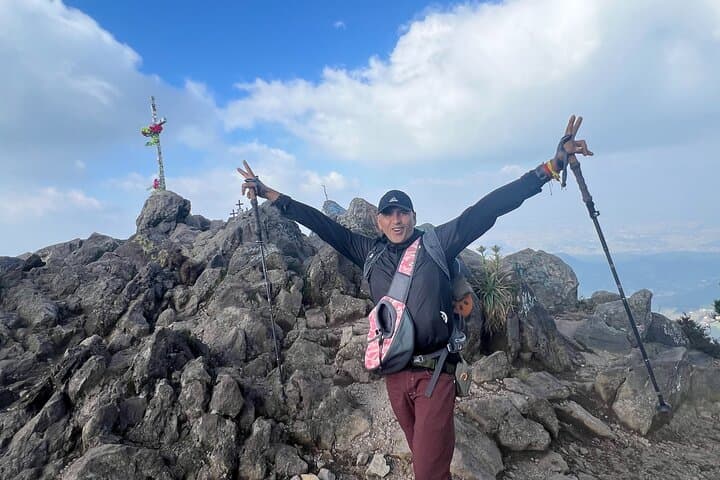
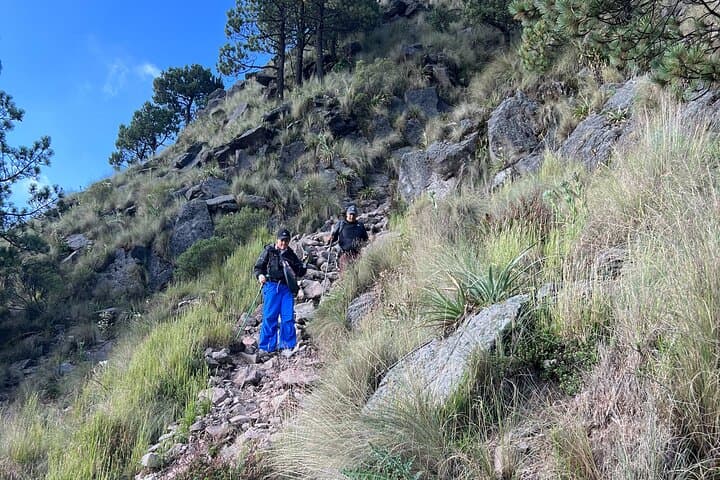


You leave the city behind as traffic thins and the air sharpens; within an hour the skyline softens under a bowl of pines and volcanic scree. The Devil's Backbone climbs out of the forest like a spine of basalt—narrow, open, and honest—rewarding every switchback with widening views of Mexico City and the smoking flanks of Popocatépetl.
You leave the city behind as traffic thins and the air sharpens; within an hour the skyline softens under a bowl of pines and volcanic scree. The Devil's Backbone climbs out of the forest like a spine of basalt—narrow, open, and honest—rewarding every switchback with widening views of Mexico City and the smoking flanks of Popocatépetl.
Geology here is visible underfoot: weathered volcanic rock, ash soils, and ridgelines carved by past eruptions that make the Ajusco range distinct from nearby valley terrain. Culturally the area has long been a training ground for Mexico City climbers and weekend hikers, and local vendors at trailheads keep a simple food tradition—hot quesadillas and coffee—within reach after a long ascent.
Expect approximately 8 km round-trip with 760 m of elevation gain, 5–6 hours of hiking within a 7–8 hour outing. The route mixes shaded pine trails and exposed ridge walking; the Backbone is adventurous but non-technical, demanding steady legs and a head for heights. Weather can flip quickly—sun turns to mountain wind or afternoon showers—so plan for layers and an early start.
This outing doubles as altitude prep: guides pace climbs to build endurance and monitor acclimatization, making it a practical step toward higher peaks. Bring solid boots, 2–3 liters of water, sun protection, and snacks. If you aim for a clear summit view of Iztaccíhuatl and Popocatépetl, hit the trail before midday clouds gather. The route finishes with a satisfying descent and often a well-earned street-side snack back toward Mexico City.