THE ADVENTURE COLLECTIVE® · Independent discovery and booking for outdoor travel

Scale Rio’s highest peak inside Tijuca National Park on a full-day guided hike. Visit a park museum, a waterfall and a century-old rock staircase en route to 1,021 m views across the city.
Scale Rio’s highest peak inside Tijuca National Park on a full-day guided hike. Visit a park museum, a waterfall and a century-old rock staircase en route to 1,021 m views across the city.
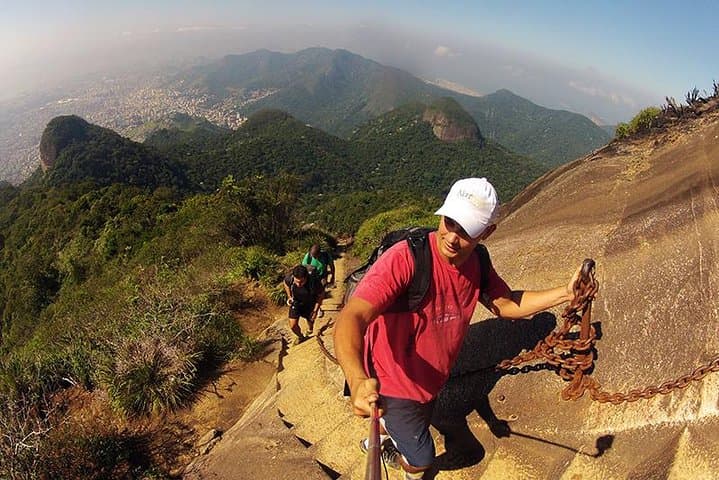
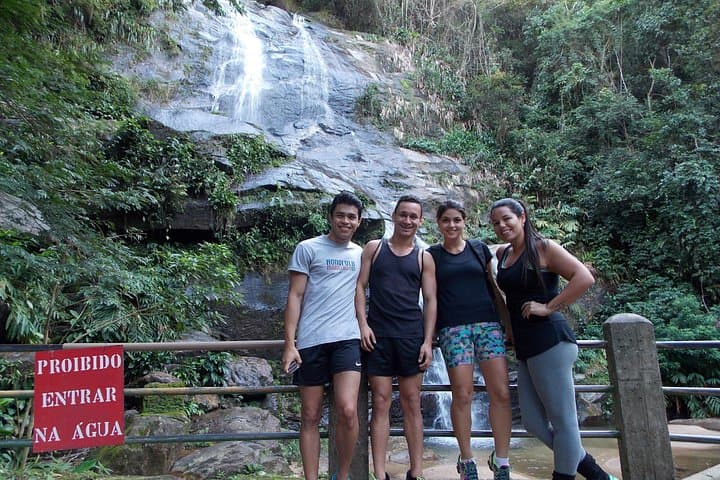
You step through the park gate and the city’s noise thins as the Atlantic Forest takes charge—ferns lean in, bromeliads cling to trunks, and a distant waterfall calls you uphill. The trail threads older cobbles and modern switchbacks, moving through shaded corridors to viewpoints that peel back Rio’s urban skin: beaches, granite domes and the Christ the Redeemer silhouette in the distance.
Verified experiences and guided adventures in the surrounding area.
Operated by Nattrip - Tourism, Ecotourism and Adventure in Rio de Janeiro · Rio de Janeiro, Rio de Janeiro
You step through the park gate and the city’s noise thins as the Atlantic Forest takes charge—ferns lean in, bromeliads cling to trunks, and a distant waterfall calls you uphill. The trail threads older cobbles and modern switchbacks, moving through shaded corridors to viewpoints that peel back Rio’s urban skin: beaches, granite domes and the Christ the Redeemer silhouette in the distance.
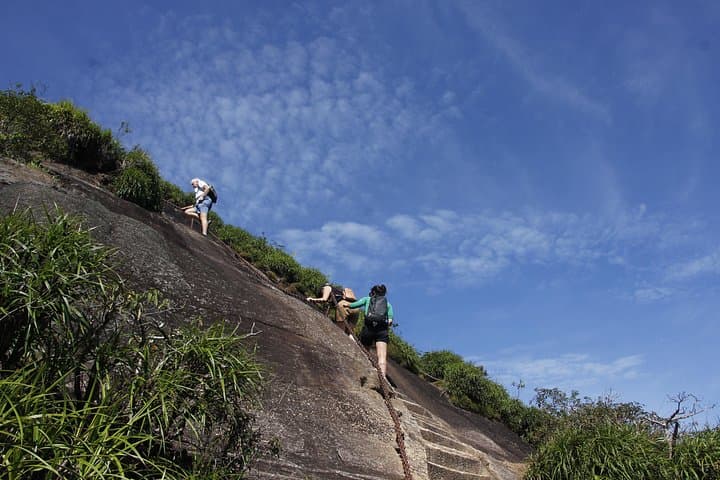
Tijuca Forest is a 19th-century reforestation project and one of the largest urban forests in the world; trails cut through volcanic-era bedrock and laterite soils, with colonial-era staircases hewn into solid rock—most famous is the stairway said to have been built for a royal visit. The park museum and a modest cascade punctuate the route, and at 1,021 m Pico da Tijuca holds a commanding lookout over Pedra da Gávea, Pedra Bonita and Corcovado.
Practically, this is a full-day guided hike (about six hours) that climbs to the summit without technical scrambling. Expect packed-earth paths, occasional rock steps and the century-old carved staircase; the operator recommends comfortable shoes with grip, water, sunscreen and insect repellent. Public transport reaches the park edge and pickup options are available if selected. The route suits a wide range of fitness levels but is not advised for those with serious cardiovascular conditions. Start early to avoid midday sun and afternoon showers, and follow your guide—the forest moves quickly in weather and footing. At the top, a steady breeze and a panoramic reward make the effort feel purposeful rather than punishing.
moderate.
6 hours.
Suitable for hikers with regular walking fitness; able to sustain steady uphill walking for several hours.
The guided itinerary is approximately six hours and rated moderate—steady uphill walking but no technical climbing; suitable for most active participants.
Minimum age is 10; the tour is not recommended for people with serious cardiovascular conditions due to sustained exertion.
This listing is a guided tour—local regulations favor guided access in some sectors and a guide improves navigation and interpretation of the park’s history and ecology.
Tropical mountain weather can shift quickly; tours may be canceled for safety in heavy rain and you’ll be offered an alternative date or refund per policy.
Tijuca Forest was largely replanted in the mid-19th century to recover watershed health around Rio; paths and rockwork include structures from that restoration era.
The park is managed to balance public access with native forest recovery—stick to trails, carry out waste, and avoid feeding wildlife to reduce human impact.
Nattrip - Tourism, Ecotourism and Adventure in Rio de Janeiro operates guided outdoor trips and adventures with an emphasis on safety, stewardship, and memorable experiences.

You step through the park gate and the city’s noise thins as the Atlantic Forest takes charge—ferns lean in, bromeliads cling to trunks, and a distant waterfall calls you uphill. The trail threads older cobbles and modern switchbacks, moving through shaded corridors to viewpoints that peel back Rio’s urban skin: beaches, granite domes and the Christ the Redeemer silhouette in the distance.
You step through the park gate and the city’s noise thins as the Atlantic Forest takes charge—ferns lean in, bromeliads cling to trunks, and a distant waterfall calls you uphill. The trail threads older cobbles and modern switchbacks, moving through shaded corridors to viewpoints that peel back Rio’s urban skin: beaches, granite domes and the Christ the Redeemer silhouette in the distance.
Tijuca Forest is a 19th-century reforestation project and one of the largest urban forests in the world; trails cut through volcanic-era bedrock and laterite soils, with colonial-era staircases hewn into solid rock—most famous is the stairway said to have been built for a royal visit. The park museum and a modest cascade punctuate the route, and at 1,021 m Pico da Tijuca holds a commanding lookout over Pedra da Gávea, Pedra Bonita and Corcovado.
Practically, this is a full-day guided hike (about six hours) that climbs to the summit without technical scrambling. Expect packed-earth paths, occasional rock steps and the century-old carved staircase; the operator recommends comfortable shoes with grip, water, sunscreen and insect repellent. Public transport reaches the park edge and pickup options are available if selected. The route suits a wide range of fitness levels but is not advised for those with serious cardiovascular conditions. Start early to avoid midday sun and afternoon showers, and follow your guide—the forest moves quickly in weather and footing. At the top, a steady breeze and a panoramic reward make the effort feel purposeful rather than punishing.