THE ADVENTURE COLLECTIVE® · Independent discovery and booking for outdoor travel

Climb Pico Basilé on Bioko Island for rainforest ridgelines, endemic plants and ocean vistas from 3,011 m. This half‑day excursion combines road travel with a moderate uphill hike through cloud forest — ideal for curious travelers who want a compact, high‑altitude experience.
Climb Pico Basilé on Bioko Island for rainforest ridgelines, endemic plants and ocean vistas from 3,011 m. This half‑day excursion combines road travel with a moderate uphill hike through cloud forest — ideal for curious travelers who want a compact, high‑altitude experience.
You step out of the air‑conditioned vehicle into a cool, moss‑damp forest where low clouds push through the canopy like a restive tide. The trail climbs quickly; tree trunks drip, ferns brush your shins, and the Atlantic flashes between ridges as the air thins toward 3,011 meters. Pico Basilé rewards patience with a panoramic sweep of volcanic peaks, rainforest crowns and, on clear days, the distant silhouette of continental Africa.
Verified experiences and guided adventures in the surrounding area.
Operated by Rumbo Malabo travel agency · Malabo, Bioko Norte
You step out of the air‑conditioned vehicle into a cool, moss‑damp forest where low clouds push through the canopy like a restive tide. The trail climbs quickly; tree trunks drip, ferns brush your shins, and the Atlantic flashes between ridges as the air thins toward 3,011 meters. Pico Basilé rewards patience with a panoramic sweep of volcanic peaks, rainforest crowns and, on clear days, the distant silhouette of continental Africa.
Geologically, Pico Basilé is the crest of an extinct shield volcano that built Bioko Island from basalt flows; soils are deep and volcanic, feeding a high‑elevation cloud forest rich in endemic plants. Culturally, the route threads near Rebola and Santiago de Baney — small towns shaped by colonial history and the rhythms of cocoa and coffee cultivation — where local guides often share oral histories and place names tied to the land.
Wildlife sightings can include brightly colored forest birds and cryptic primates; botanists prize the area for orchids and unique epiphytes. Conservation here balances tourism with fragile ecosystems: stick to trails and avoid disturbing understory growth.
Practical guidance: the full excursion runs about 4–5 hours with most travel time by vehicle and a moderate uphill hike at altitude. Expect muddy, steep sections and changeable weather — bring waterproof layers, sturdy shoes, and insect repellent. Hydrate before you go; even short hikes at 3,000 m can feel strenuous for those unused to elevation. Tours commonly include bottled water and pickup from Malabo, making this accessible for visitors who want a concentrated introduction to Bioko’s highest ridge.
moderate.
4–5 hours.
Suitable for people with basic fitness: expect steady uphill walking and brief steep sections at high elevation.
The organized excursion is about 4–5 hours total; the on‑trail portion is a moderate uphill walk of around 1–2 hours depending on exact start point and pace.
The tour is described as accessible to most fitness levels with vehicle transport minimizing strain, but those with cardiovascular issues should avoid the altitude and steep sections.
Guided tours are commonly arranged from Malabo and include logistics; check with operators about any permits — many visits are on managed routes with admission included.
Expect endemic birds, occasional primates and a rich variety of plant life; sightings depend on time of day and weather.
Bioko’s peaks formed through volcanic activity; Spanish colonial history and local Bubi culture shaped settlements like Rebola and Baney on the island’s slopes.
The cloud forest ecosystem is fragile — stick to established trails, pack out waste and favor operators who support local conservation efforts.
Rumbo Malabo travel agency operates guided outdoor trips and adventures with an emphasis on safety, stewardship, and memorable experiences.
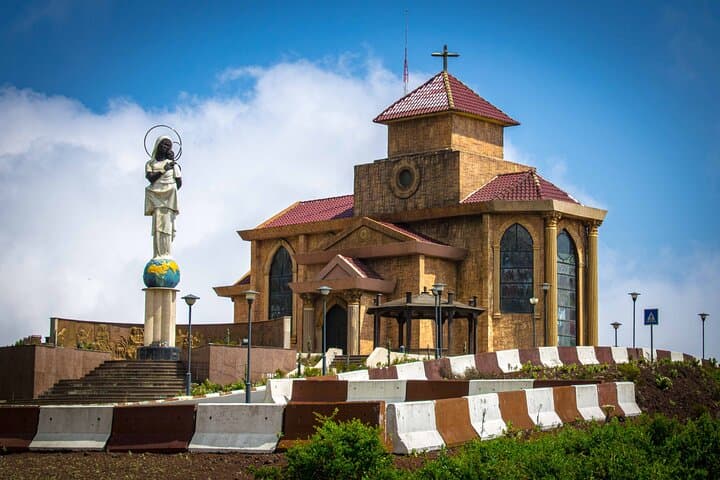
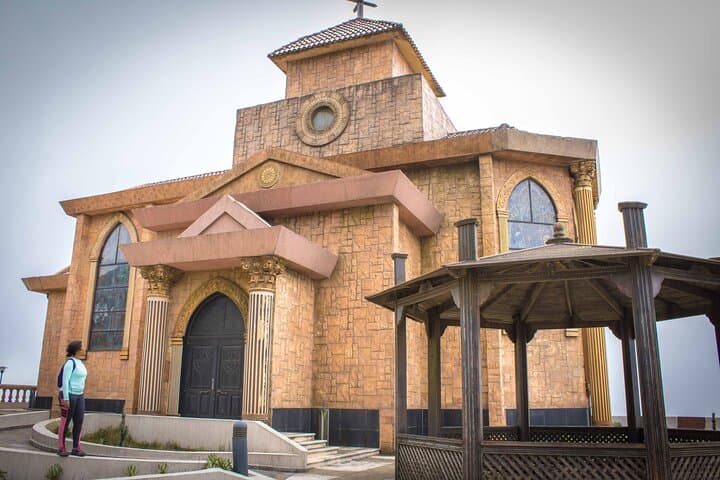
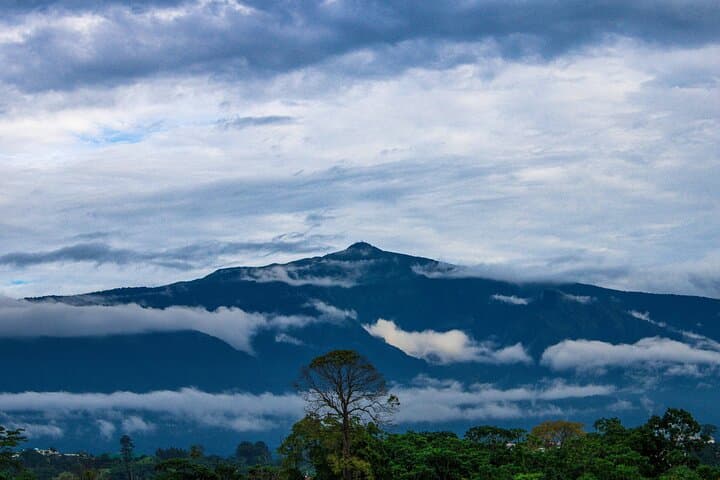
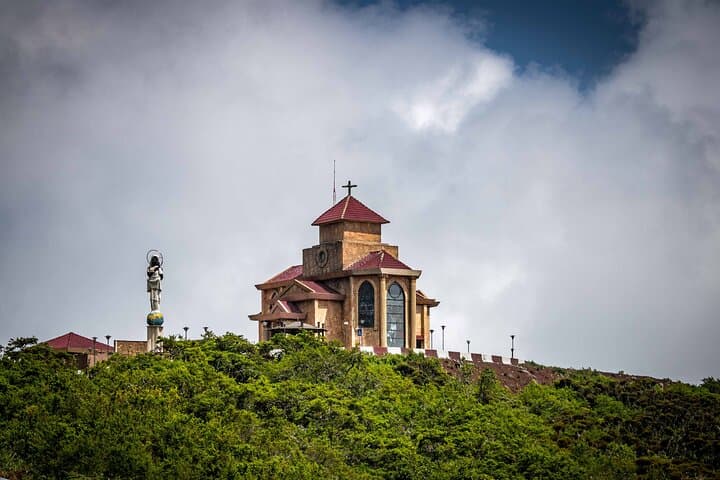
You step out of the air‑conditioned vehicle into a cool, moss‑damp forest where low clouds push through the canopy like a restive tide. The trail climbs quickly; tree trunks drip, ferns brush your shins, and the Atlantic flashes between ridges as the air thins toward 3,011 meters. Pico Basilé rewards patience with a panoramic sweep of volcanic peaks, rainforest crowns and, on clear days, the distant silhouette of continental Africa.
You step out of the air‑conditioned vehicle into a cool, moss‑damp forest where low clouds push through the canopy like a restive tide. The trail climbs quickly; tree trunks drip, ferns brush your shins, and the Atlantic flashes between ridges as the air thins toward 3,011 meters. Pico Basilé rewards patience with a panoramic sweep of volcanic peaks, rainforest crowns and, on clear days, the distant silhouette of continental Africa.
Geologically, Pico Basilé is the crest of an extinct shield volcano that built Bioko Island from basalt flows; soils are deep and volcanic, feeding a high‑elevation cloud forest rich in endemic plants. Culturally, the route threads near Rebola and Santiago de Baney — small towns shaped by colonial history and the rhythms of cocoa and coffee cultivation — where local guides often share oral histories and place names tied to the land.
Wildlife sightings can include brightly colored forest birds and cryptic primates; botanists prize the area for orchids and unique epiphytes. Conservation here balances tourism with fragile ecosystems: stick to trails and avoid disturbing understory growth.
Practical guidance: the full excursion runs about 4–5 hours with most travel time by vehicle and a moderate uphill hike at altitude. Expect muddy, steep sections and changeable weather — bring waterproof layers, sturdy shoes, and insect repellent. Hydrate before you go; even short hikes at 3,000 m can feel strenuous for those unused to elevation. Tours commonly include bottled water and pickup from Malabo, making this accessible for visitors who want a concentrated introduction to Bioko’s highest ridge.