THE ADVENTURE COLLECTIVE® · Independent discovery and booking for outdoor travel

Choose three GPS-led audio tours and build a self-paced half-day of exploration across Berlin and other German towns. Each tour runs about an hour and pairs local narration with automatic GPS cues.
Choose three GPS-led audio tours and build a self-paced half-day of exploration across Berlin and other German towns. Each tour runs about an hour and pairs local narration with automatic GPS cues.
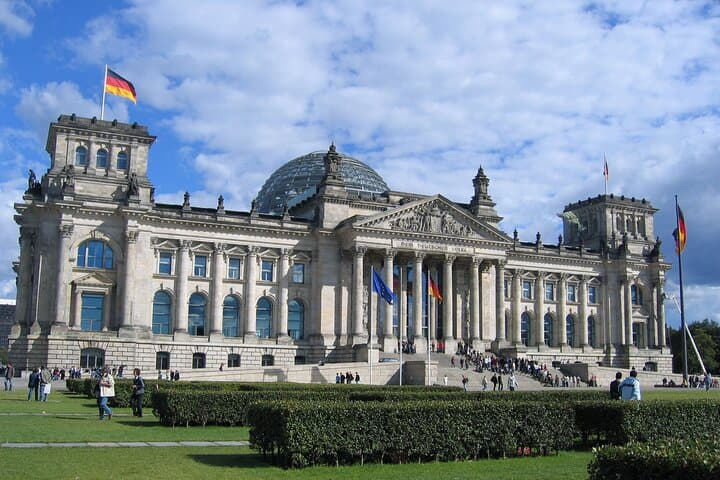
A city street opens like a score: trams hum, a river pushes past embankments, and an invisible narrator guides your feet. With three GPS-led audio tours you assemble your own half-day of exploration — each walk runs about an hour and moves at your pace, from Berlin’s Reichstag corridors to the cobbled alleys of Quedlinburg.
Verified experiences and guided adventures in the surrounding area.
Operated by A Friend in Berlin UG · Berlin, Berlin
A city street opens like a score: trams hum, a river pushes past embankments, and an invisible narrator guides your feet. With three GPS-led audio tours you assemble your own half-day of exploration — each walk runs about an hour and moves at your pace, from Berlin’s Reichstag corridors to the cobbled alleys of Quedlinburg.
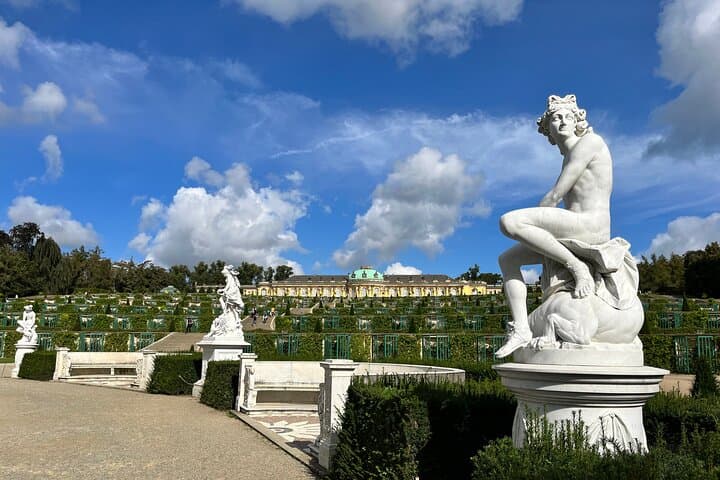
These tours thread contemporary history and older layers of Europe’s towns. In Berlin expect Cold War checkpoints, imperial boulevards and the 20th-century geography that reshaped neighborhoods; Potsdam adds Prussian parks and Sanssouci’s terraces; Meissen brings medieval stone and cathedral spires. The audio format lets local historians, architects and storytellers fill in context while the GPS cues match narration to place.
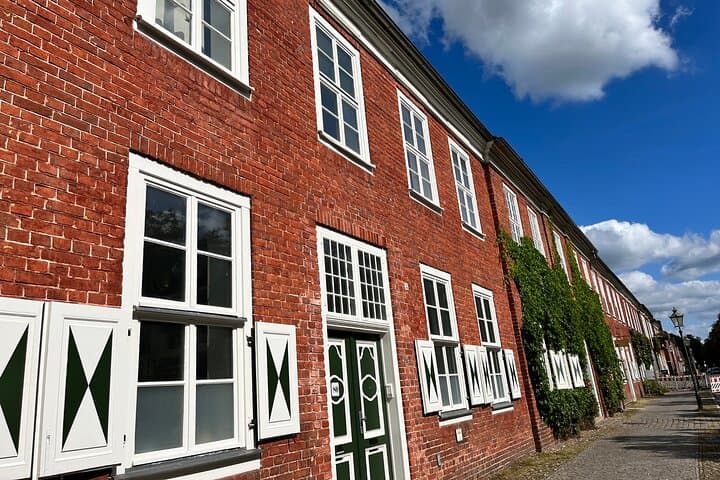
Culturally, the routes emphasize urban life: markets, café culture and regional quirks — Frisian cottages on Sylt, the Dutch Quarter in Potsdam, or Munich’s food alleys. Geology and landscape are minor players but visible: Elbe and Spree rivers carve city lines; sandstone foundations appear in Saxony towns.
Practical guidance: create a free VoiceMap account and load the three vouchers you receive. Each tour needs a charged smartphone, headphones and comfortable shoes; plan 3–5 hours including breaks. Start early to avoid crowds at museums and markets, and use public transit between start points when distances exceed a relaxed hour-long walk. These self-guided walks are accessible to most fitness levels but expect uneven pavement in historic centers. Carry a portable battery and offline map data when cellular service falters. Follow local etiquette, keep volume low, and enjoy an independent, informative way to read Germany’s layered streets.
easy.
3–5 hours.
Suitable for walkers in average fitness; tours involve mostly flat urban streets with occasional cobbles and steps.
Yes — you must create a free VoiceMap account and download the app to redeem vouchers and run GPS-guided narration.
Each selected audio tour runs about one hour, so three tours amount to roughly 3 hours of walking plus time for transfers and breaks.
Availability varies by city and route; VoiceMap commonly offers English and local-language narrations — check the specific tour language before booking.
Many routes note stroller accessibility, but historic sections may have cobblestones or steps; check individual tour descriptions for accessibility details.
Routes highlight layers of history — from medieval town centers and cathedral complexes to modern Berlin’s Cold War landmarks such as Checkpoint Charlie and the Reichstag area.
Self-guided walks have low environmental impact; use headphones, stay on established paths, and support local businesses to promote sustainable tourism.
A Friend in Berlin UG operates guided outdoor trips and adventures with an emphasis on safety, stewardship, and memorable experiences.

A city street opens like a score: trams hum, a river pushes past embankments, and an invisible narrator guides your feet. With three GPS-led audio tours you assemble your own half-day of exploration — each walk runs about an hour and moves at your pace, from Berlin’s Reichstag corridors to the cobbled alleys of Quedlinburg.
A city street opens like a score: trams hum, a river pushes past embankments, and an invisible narrator guides your feet. With three GPS-led audio tours you assemble your own half-day of exploration — each walk runs about an hour and moves at your pace, from Berlin’s Reichstag corridors to the cobbled alleys of Quedlinburg.
These tours thread contemporary history and older layers of Europe’s towns. In Berlin expect Cold War checkpoints, imperial boulevards and the 20th-century geography that reshaped neighborhoods; Potsdam adds Prussian parks and Sanssouci’s terraces; Meissen brings medieval stone and cathedral spires. The audio format lets local historians, architects and storytellers fill in context while the GPS cues match narration to place.
Culturally, the routes emphasize urban life: markets, café culture and regional quirks — Frisian cottages on Sylt, the Dutch Quarter in Potsdam, or Munich’s food alleys. Geology and landscape are minor players but visible: Elbe and Spree rivers carve city lines; sandstone foundations appear in Saxony towns.
Practical guidance: create a free VoiceMap account and load the three vouchers you receive. Each tour needs a charged smartphone, headphones and comfortable shoes; plan 3–5 hours including breaks. Start early to avoid crowds at museums and markets, and use public transit between start points when distances exceed a relaxed hour-long walk. These self-guided walks are accessible to most fitness levels but expect uneven pavement in historic centers. Carry a portable battery and offline map data when cellular service falters. Follow local etiquette, keep volume low, and enjoy an independent, informative way to read Germany’s layered streets.