THE ADVENTURE COLLECTIVE® · Independent discovery and booking for outdoor travel

Wander through Kauai’s most biodiverse organic orchard to pick and taste over 2000 fruiting trees in a two-hour guided experience. Expect hands-on picking, short interpretive stops about Hawaiian agriculture, and a lively tasting of rare tropical varieties.
Wander through Kauai’s most biodiverse organic orchard to pick and taste over 2000 fruiting trees in a two-hour guided experience. Expect hands-on picking, short interpretive stops about Hawaiian agriculture, and a lively tasting of rare tropical varieties.
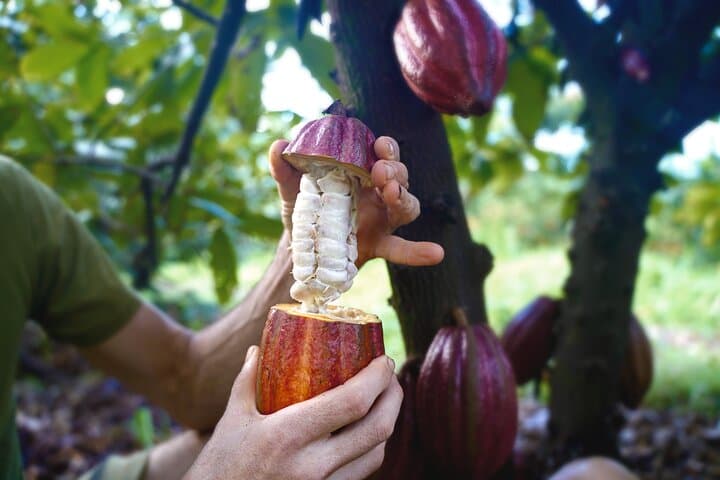
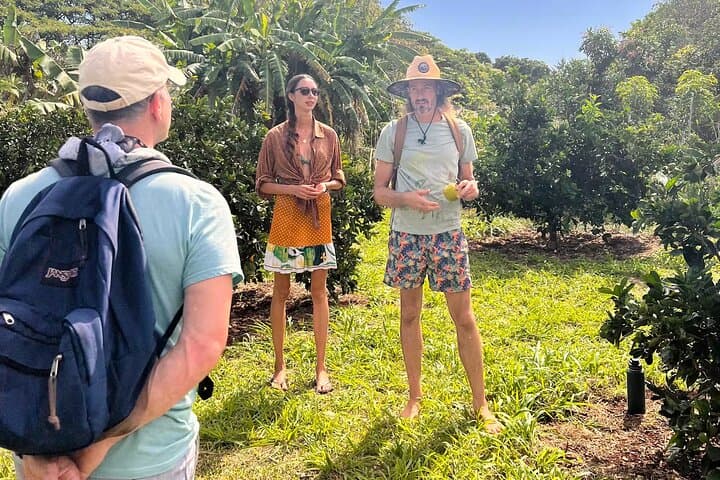
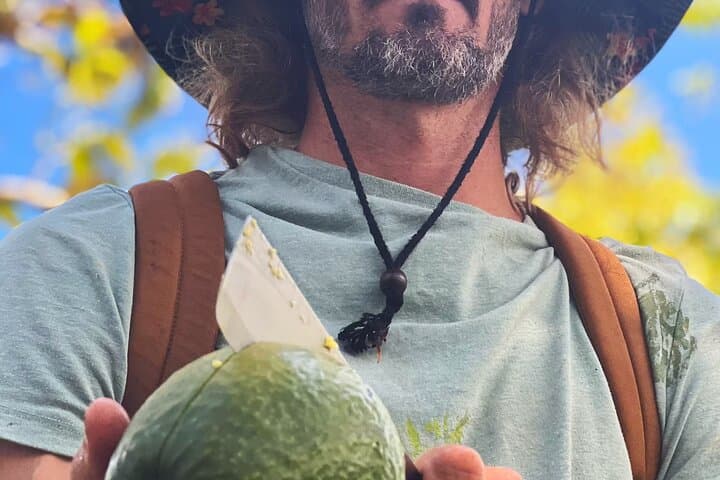
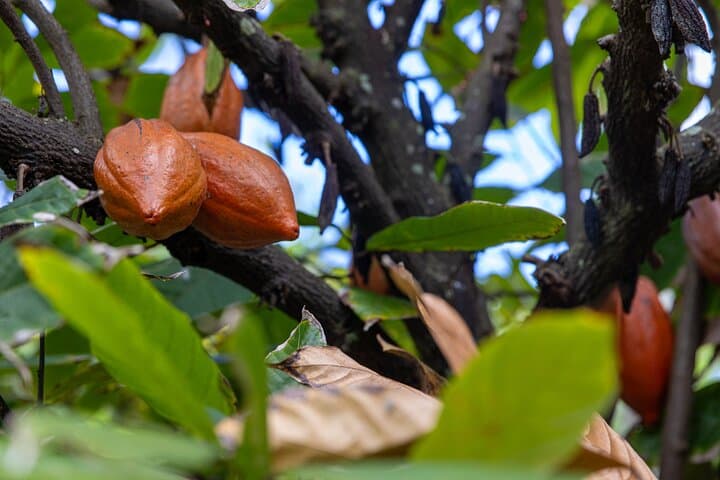
You step out of a rental car into warm, salt-laced air and a dirt lot that smells faintly of guava and wet earth. A row of mango trees leans toward the sun as if offering fruit by hand; vines and low hedgerows hum with insects that have staked their claim. The guide gathers the small group and leads a short walk into five acres of organic gardens and rows of 2,000 fruiting trees where colors, textures and fragrances change every few steps.
Verified experiences and guided adventures in the surrounding area.
Operated by Adam · Kapaʻa, Hawaii
You step out of a rental car into warm, salt-laced air and a dirt lot that smells faintly of guava and wet earth. A row of mango trees leans toward the sun as if offering fruit by hand; vines and low hedgerows hum with insects that have staked their claim. The guide gathers the small group and leads a short walk into five acres of organic gardens and rows of 2,000 fruiting trees where colors, textures and fragrances change every few steps.
Kauai's orchard sits on volcanic soils created by old lava flows and marine terraces; these deep, well-draining soils and steady trade winds make it possible to grow varieties from Southeast Asia to Central America. The tour threads Hawaiian agricultural history—how Polynesian voyagers carried taro, breadfruit and bananas—into modern biodiverse farming practices and a local culture that values mālama ʻāina (care for the land).
Practical details are simple: the two-hour experience blends a guided garden walk with on-tree picking and tasting. Paths are mostly flat, wheelchair accessible and suitable for all fitness levels, but expect uneven mulch and occasional damp patches after rain. Bring sun protection, sip water between tastings and ask guides about fruit ripeness before picking. Respect tree branches, sample modestly to let others taste, and note that tropical flavors range from tart to lusciously sweet—some fruits are unfamiliar and can surprise the palate.
This is a low-impact, sensory way to learn about Kauai's growing season, the island's geology, and local stewardship practices while filling a tote with fresh, seasonal fruit to enjoy later.
easy.
2 hours.
Suitable for most people; minimal walking on flat to gently sloped orchard paths.
The experience runs about two hours and includes a guided walk, picking, and tasting stops.
Yes—paths are wheelchair- and stroller-accessible, and the operator notes areas and surfaces accommodate mobility devices.
Yes—participants may sample on-site and take home fruit within reasonable, sustainable limits as guided by staff.
Yes—this is family-friendly; bring a stroller if needed and supervise children around low-hanging branches.
The island’s farms blend centuries-old Polynesian crop introductions with modern organic techniques; many varieties were later added by immigrants who brought seeds and grafting methods.
The farm emphasizes organic, biodiverse planting to reduce invasive species spread and conserve soil health; visitors are asked to follow low-impact picking rules.
Adam operates guided outdoor trips and adventures with an emphasis on safety, stewardship, and memorable experiences.
You step out of a rental car into warm, salt-laced air and a dirt lot that smells faintly of guava and wet earth. A row of mango trees leans toward the sun as if offering fruit by hand; vines and low hedgerows hum with insects that have staked their claim. The guide gathers the small group and leads a short walk into five acres of organic gardens and rows of 2,000 fruiting trees where colors, textures and fragrances change every few steps.
You step out of a rental car into warm, salt-laced air and a dirt lot that smells faintly of guava and wet earth. A row of mango trees leans toward the sun as if offering fruit by hand; vines and low hedgerows hum with insects that have staked their claim. The guide gathers the small group and leads a short walk into five acres of organic gardens and rows of 2,000 fruiting trees where colors, textures and fragrances change every few steps.
Kauai's orchard sits on volcanic soils created by old lava flows and marine terraces; these deep, well-draining soils and steady trade winds make it possible to grow varieties from Southeast Asia to Central America. The tour threads Hawaiian agricultural history—how Polynesian voyagers carried taro, breadfruit and bananas—into modern biodiverse farming practices and a local culture that values mālama ʻāina (care for the land).
Practical details are simple: the two-hour experience blends a guided garden walk with on-tree picking and tasting. Paths are mostly flat, wheelchair accessible and suitable for all fitness levels, but expect uneven mulch and occasional damp patches after rain. Bring sun protection, sip water between tastings and ask guides about fruit ripeness before picking. Respect tree branches, sample modestly to let others taste, and note that tropical flavors range from tart to lusciously sweet—some fruits are unfamiliar and can surprise the palate.
This is a low-impact, sensory way to learn about Kauai's growing season, the island's geology, and local stewardship practices while filling a tote with fresh, seasonal fruit to enjoy later.