THE ADVENTURE COLLECTIVE® · Independent discovery and booking for outdoor travel

Trace the streets where Pablo Picasso grew as an artist on a private 2–3 hour tour that combines the Porxos d’en Xifré, Escola de Llotja, Els Quatre Gats and skip-the-line access to the Museu Picasso. Expect a guided, accessible walk through Barcelona’s formative spaces for Picasso.
Trace the streets where Pablo Picasso grew as an artist on a private 2–3 hour tour that combines the Porxos d’en Xifré, Escola de Llotja, Els Quatre Gats and skip-the-line access to the Museu Picasso. Expect a guided, accessible walk through Barcelona’s formative spaces for Picasso.
You step off the tram into El Born and the city tightens around you—narrow streets of sandstone, carved lintels, and shutters that have watched a century of artists pass. The private tour threads through those lanes where a teenage Picasso first sketched, moves past the Porxos d’en Xifré where his family lodged, and pauses beneath the high-ceilinged rooms now filled with his early works.
Verified experiences and guided adventures in the surrounding area.
Operated by Icono Spain Tours · Barcelona, Catalonia
You step off the tram into El Born and the city tightens around you—narrow streets of sandstone, carved lintels, and shutters that have watched a century of artists pass. The private tour threads through those lanes where a teenage Picasso first sketched, moves past the Porxos d’en Xifré where his family lodged, and pauses beneath the high-ceilinged rooms now filled with his early works.
Barcelona’s urban geology matters here: 19th-century demolitions of the old sea wall opened land that shifted the city’s edge and created the promenades and blocks Picasso knew. Cultural modernism blooms in architecture by Puig i Cadafalch and in cafés like Els Quatre Gats, a gathering place that launched exhibitions and conversations that shaped Catalan art. The Museo Picasso, opened in 1963, houses thousands of formative pieces that map Picasso’s relationship with the city and his youthful experiments in drawing, print and pastel.
Practical guidance: expect a 2–3 hour private, monolingual tour with skip-the-line museum admission, accessible by metro or bus. Mornings are quieter; late afternoons at the museum can be crowded. Wear comfortable shoes for cobbled streets, carry a charged camera and a small daypack. The route is suitable for most mobility levels and includes wheelchair-accessible stops—confirm special assistance when booking. Stay hydrated during summer, and plan for brief security checks at museum entry.
This experience blends close-looking at art with the tactile city—its stone thresholds, café tables and the routes that urged a young artist to keep drawing.
easy.
2–3 hours.
Light walking on cobblestones for a few hours—suitable for most fitness levels
Yes—the tour includes admission to the Museu Picasso (skip-the-line tickets are provided as part of the tour).
The itinerary lists wheelchair-accessible transport and surfaces; notify the operator of mobility needs when booking to confirm accommodations.
The tour is offered with a monolingual local guide; select a tour in your preferred language when you book or request an alternative guide in advance.
Infants and small children in strollers are accommodated, and infant seats are available—confirm age and special requirements during booking.
Picasso arrived in Barcelona in 1895 at 13, studied at the Escola de Llotja and staged his first exhibition at Els Quatre Gats; the Museu Picasso (opened 1963) preserves his formative works.
High visitor numbers can stress historic buildings—use public transport, follow museum rules, and avoid touching surfaces to help preserve fragile interiors.
Icono Spain Tours operates guided outdoor trips and adventures with an emphasis on safety, stewardship, and memorable experiences.
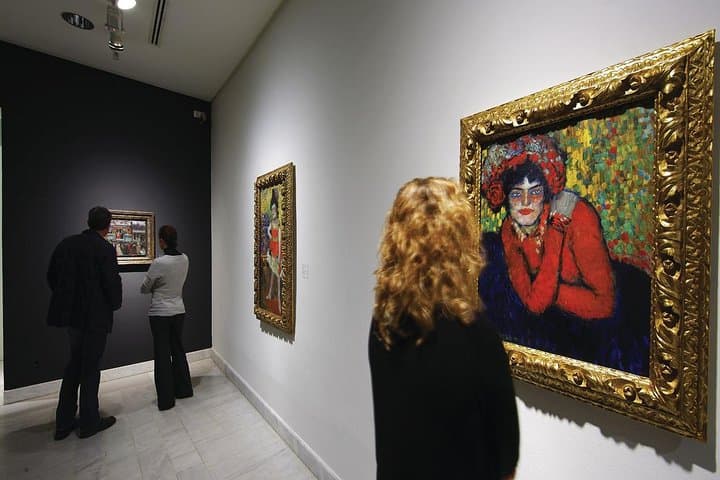
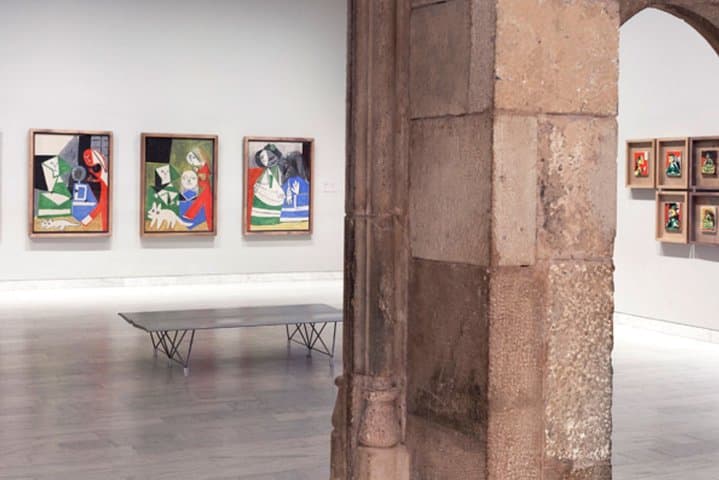
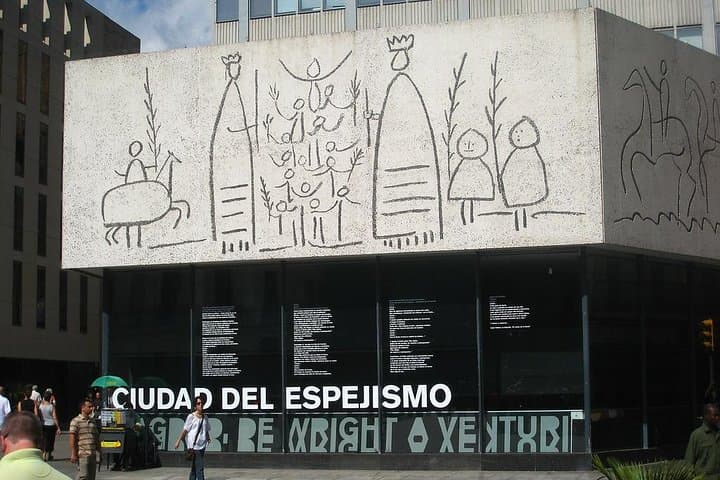
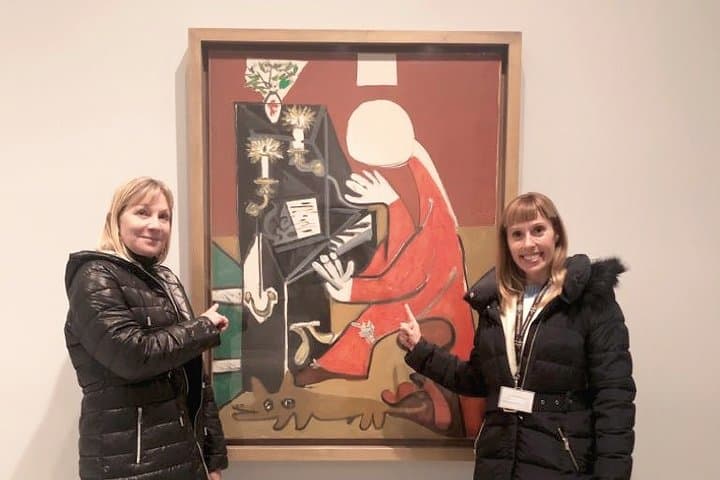
You step off the tram into El Born and the city tightens around you—narrow streets of sandstone, carved lintels, and shutters that have watched a century of artists pass. The private tour threads through those lanes where a teenage Picasso first sketched, moves past the Porxos d’en Xifré where his family lodged, and pauses beneath the high-ceilinged rooms now filled with his early works.
You step off the tram into El Born and the city tightens around you—narrow streets of sandstone, carved lintels, and shutters that have watched a century of artists pass. The private tour threads through those lanes where a teenage Picasso first sketched, moves past the Porxos d’en Xifré where his family lodged, and pauses beneath the high-ceilinged rooms now filled with his early works.
Barcelona’s urban geology matters here: 19th-century demolitions of the old sea wall opened land that shifted the city’s edge and created the promenades and blocks Picasso knew. Cultural modernism blooms in architecture by Puig i Cadafalch and in cafés like Els Quatre Gats, a gathering place that launched exhibitions and conversations that shaped Catalan art. The Museo Picasso, opened in 1963, houses thousands of formative pieces that map Picasso’s relationship with the city and his youthful experiments in drawing, print and pastel.
Practical guidance: expect a 2–3 hour private, monolingual tour with skip-the-line museum admission, accessible by metro or bus. Mornings are quieter; late afternoons at the museum can be crowded. Wear comfortable shoes for cobbled streets, carry a charged camera and a small daypack. The route is suitable for most mobility levels and includes wheelchair-accessible stops—confirm special assistance when booking. Stay hydrated during summer, and plan for brief security checks at museum entry.
This experience blends close-looking at art with the tactile city—its stone thresholds, café tables and the routes that urged a young artist to keep drawing.