THE ADVENTURE COLLECTIVE® · Independent discovery and booking for outdoor travel

A steep, single‑day ascent from Godawari to Phulchwoki rewards hikers with valley panoramas and rich birdlife. Expect 6–8 km round trip, forested singletrack and summit views of Kathmandu and distant Annapurna in clear weather.
A steep, single‑day ascent from Godawari to Phulchwoki rewards hikers with valley panoramas and rich birdlife. Expect 6–8 km round trip, forested singletrack and summit views of Kathmandu and distant Annapurna in clear weather.
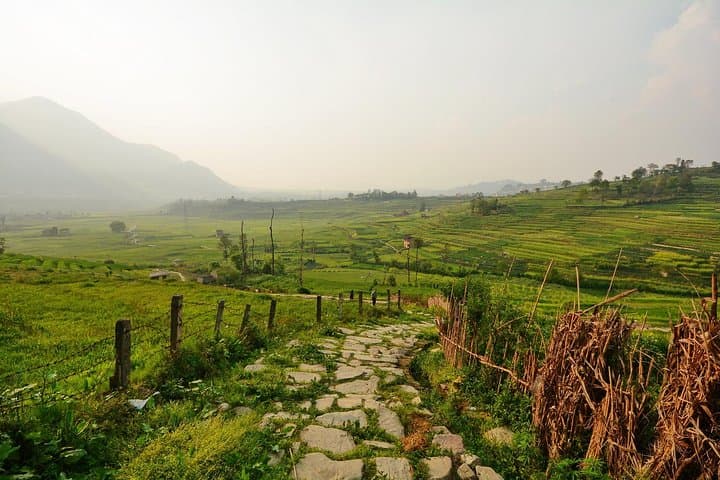
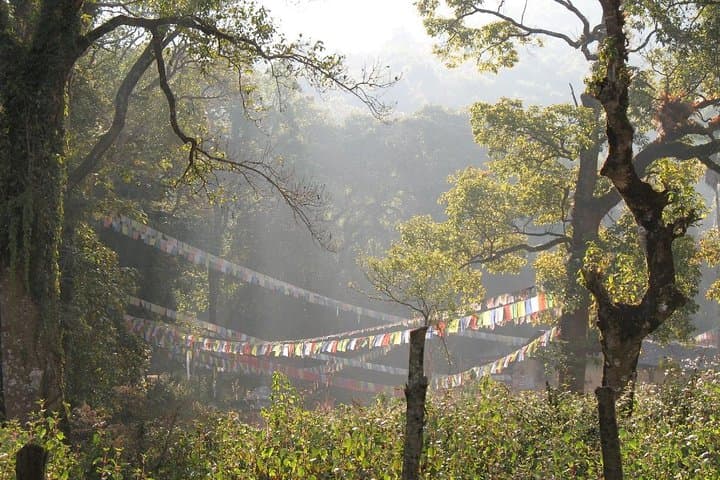
Mist lifts off the southern rim of Kathmandu Valley as a jeep eases into Godawari and the air tightens with woodsmoke and damp leaf mould. From the botanical gardens the trail squeezes into a green tunnel; ferns and rhododendron press close, and the path angles upward toward the highest hill ringing the valley.
Verified experiences and guided adventures in the surrounding area.
Operated by Shishu Tours & Travel · Kathmandu, Bagmati Province
Mist lifts off the southern rim of Kathmandu Valley as a jeep eases into Godawari and the air tightens with woodsmoke and damp leaf mould. From the botanical gardens the trail squeezes into a green tunnel; ferns and rhododendron press close, and the path angles upward toward the highest hill ringing the valley.
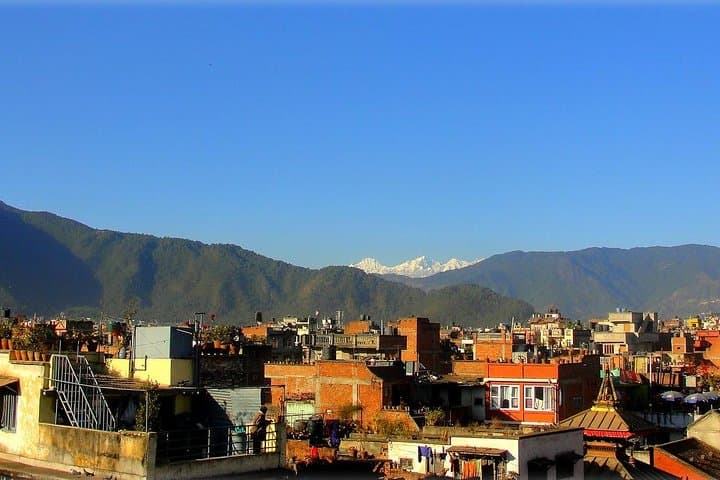
Phulchwoki is the tallest of the low hills that frame Kathmandu and occupies a strategic ridgeline that yields broad views of the valley floor, nearby Kavre hills and, on clear days, the eastern reaches of the Annapurna range. Geologically it’s part of the fold-and-fault landscape that forms the valley’s southern rim, with steep slopes that collect cloud and sustain dense montane forest. Local communities have long used these slopes for seasonal resources and the area around Godawari is known for its botanical collection and bird-rich habitat.
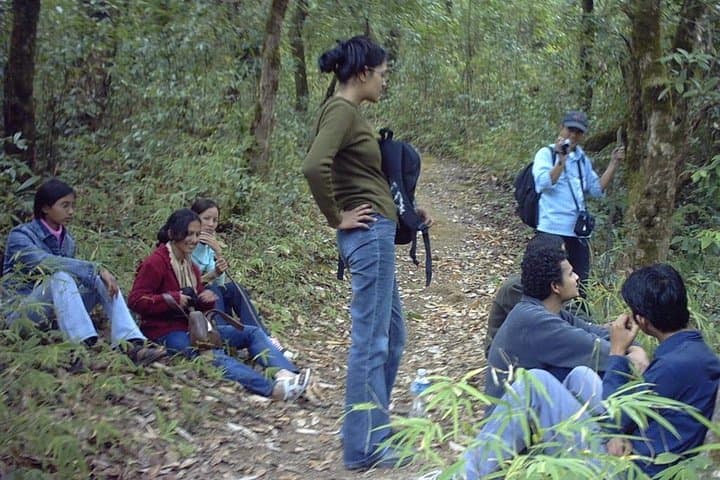
This one-day outing typically covers a steady 6–8 km round trip with roughly 1,100 m of ascent from Godawari to the summit—a sustained climb on singletrack that can be muddy or rocky depending on season. Birders should watch for Rufous-gorget Flycatcher, Rufous-bellied Niltava, Yellow-browed Tit, Chestnut-headed Tesia and Red-billed Leiothrix. Expect a mix of deep shade, occasional open ridgelines and sweeping valley views at the top.
Practical guidance: start early to avoid afternoon clouds, carry 2–3 L of water, wear grippy boots and layered clothing, and bring binoculars for the dense understory. Many groups return to Godawari by jeep and often stop at the botanical garden on the way back—an easy, high-value day for steady hikers and keen birders.
moderate.
6 hours.
Moderate cardio and comfort with sustained uphill hiking; suitable for regular hikers.
The typical itinerary is 6 hours total with about 6–8 km round trip and ~1,100 m of ascent from Godawari; expect a steady, moderately strenuous climb on singletrack.
Clear winter and post-monsoon autumn mornings offer the best long-distance views; spring and early summer are excellent for migratory and resident birds, while monsoon months can be wet and slippery.
The tour includes entry fees to protected areas when applicable; independent hikers should check local park fees at Godawari Botanical Garden or national park offices.
Physically fit children and beginners with regular walking experience can do the trail if paced conservatively, but the sustained ascent makes it more suitable for those comfortable with several hours of uphill hiking.
Phulchwoki has long been an important natural catchment and forested ridge for communities surrounding Kathmandu and has been valued for its biodiversity and vantage points above the valley.
The montane forest here supports sensitive bird populations—stick to trails, avoid feeding wildlife and carry out all trash to limit disturbance.
Shishu Tours & Travel operates guided outdoor trips and adventures with an emphasis on safety, stewardship, and memorable experiences.
Mist lifts off the southern rim of Kathmandu Valley as a jeep eases into Godawari and the air tightens with woodsmoke and damp leaf mould. From the botanical gardens the trail squeezes into a green tunnel; ferns and rhododendron press close, and the path angles upward toward the highest hill ringing the valley.
Mist lifts off the southern rim of Kathmandu Valley as a jeep eases into Godawari and the air tightens with woodsmoke and damp leaf mould. From the botanical gardens the trail squeezes into a green tunnel; ferns and rhododendron press close, and the path angles upward toward the highest hill ringing the valley.
Phulchwoki is the tallest of the low hills that frame Kathmandu and occupies a strategic ridgeline that yields broad views of the valley floor, nearby Kavre hills and, on clear days, the eastern reaches of the Annapurna range. Geologically it’s part of the fold-and-fault landscape that forms the valley’s southern rim, with steep slopes that collect cloud and sustain dense montane forest. Local communities have long used these slopes for seasonal resources and the area around Godawari is known for its botanical collection and bird-rich habitat.
This one-day outing typically covers a steady 6–8 km round trip with roughly 1,100 m of ascent from Godawari to the summit—a sustained climb on singletrack that can be muddy or rocky depending on season. Birders should watch for Rufous-gorget Flycatcher, Rufous-bellied Niltava, Yellow-browed Tit, Chestnut-headed Tesia and Red-billed Leiothrix. Expect a mix of deep shade, occasional open ridgelines and sweeping valley views at the top.
Practical guidance: start early to avoid afternoon clouds, carry 2–3 L of water, wear grippy boots and layered clothing, and bring binoculars for the dense understory. Many groups return to Godawari by jeep and often stop at the botanical garden on the way back—an easy, high-value day for steady hikers and keen birders.