THE ADVENTURE COLLECTIVE® · Independent discovery and booking for outdoor travel

A day hike to Phulchowki rewards steady climbers with broad Himalayan panoramas, dense rhododendron forest and excellent birding. This guide covers what to expect on the trail, seasonal tips and practical gear to bring.
A day hike to Phulchowki rewards steady climbers with broad Himalayan panoramas, dense rhododendron forest and excellent birding. This guide covers what to expect on the trail, seasonal tips and practical gear to bring.
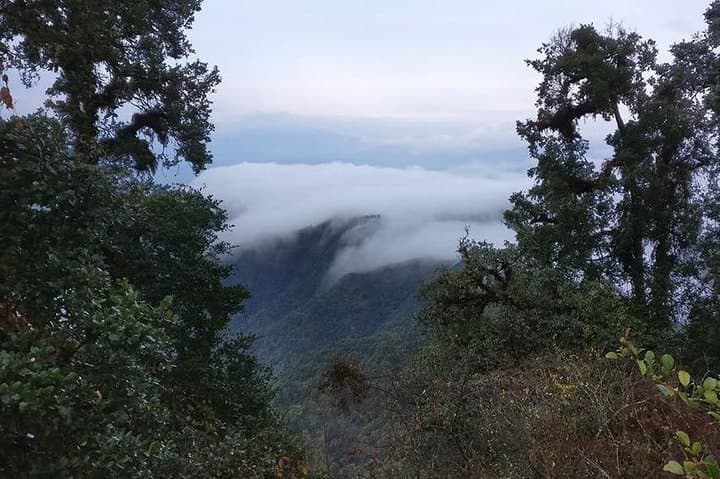
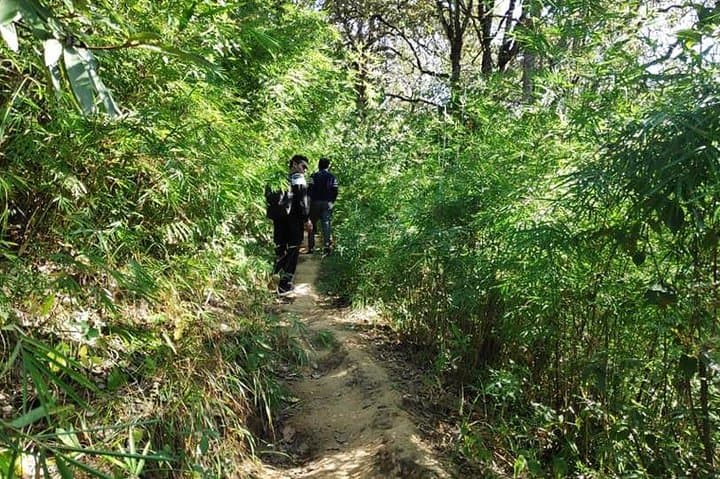
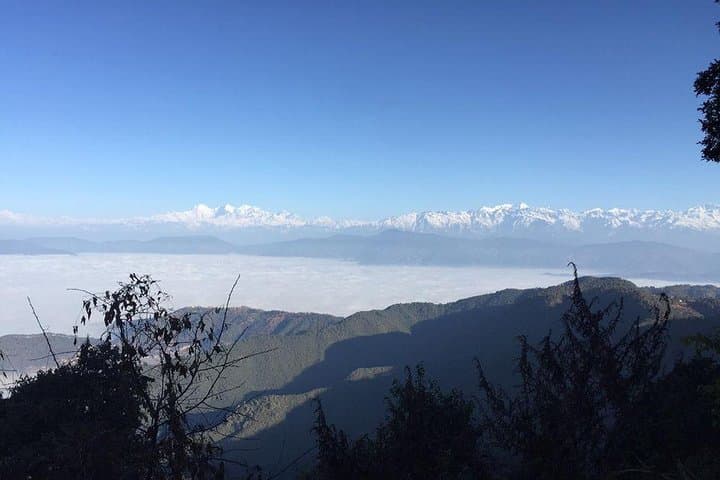
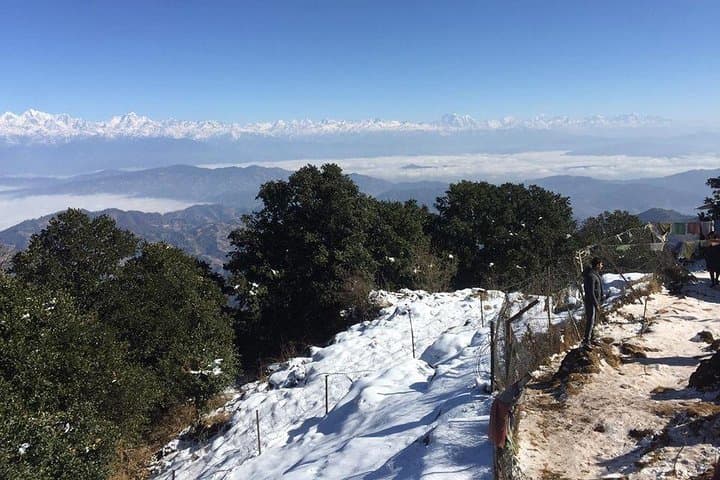
You emerge from the village road into a corridor of pines and rhododendron, the valley opening below and the high Himalaya sharpening on the horizon. The trail climbs in steady switchbacks, and with each step Kathmandu’s urban sprawl thins to terraces, temple roofs and distant ridgelines. Above the tree line the views unspool — Annapurna and Manaslu to the west, the Langtang-Lhotse axis toward the north and Everest’s outline far east — a layered range that rewards the steady climb.
Verified experiences and guided adventures in the surrounding area.
Operated by Transport Hub Nepal · Godavari, Bagmati Province
You emerge from the village road into a corridor of pines and rhododendron, the valley opening below and the high Himalaya sharpening on the horizon. The trail climbs in steady switchbacks, and with each step Kathmandu’s urban sprawl thins to terraces, temple roofs and distant ridgelines. Above the tree line the views unspool — Annapurna and Manaslu to the west, the Langtang-Lhotse axis toward the north and Everest’s outline far east — a layered range that rewards the steady climb.
Phulchowki (2,760 m) sits on the southern rim of the Kathmandu Valley in Lalitpur District. Geologically it’s part of the folded Himalayan foothills — steep ridges of weathered sandstone and shale cloaked in mixed broadleaf and conifer forest. Culturally the approach threads small Newari and Tamang farmsteads where terraces and stone walls meet century-old farming practices; Godavari’s botanical gardens at the trailhead add a botanical contrast to the wild slopes.
The hill is also a regional birding magnet — sunbirds, minivets and raptors commonly pepper the canopy — so move quietly and scan the branches.
Practical guidance: plan 6–7 hours including drive time from central Kathmandu, start early to catch the mountain light and avoid afternoon haze, and carry 2–3 liters of water. Trails are well-defined but steep in sections; sturdy shoes and layered clothing handle temperature swings. Respect local villages and wildlife by staying on the path and packing out waste.
Phulchowki is an accessible day hike that pairs peak views with rich birdlife and a slice of valley culture — a compact Himalayan experience without overnight logistics.
moderate.
6–7 hours.
Good basic cardio and steady leg strength for sustained uphill; suitable for regular walkers with breaks
Expect about 6–7 hours total including drive time from Kathmandu; the climb to 2,760 m involves several hundred meters of sustained ascent with switchbacks on a well-defined trail.
There is no national permit required for a day hike here, but check local rules at Godavari and respect any entry fees for botanical gardens or protected areas.
Yes — the trail’s mixed forests host accessible birdlife; bring binoculars and quiet patience to increase sightings.
Godavari, the common trailhead, is about a 45–60 minute drive southeast of central Kathmandu depending on traffic; many hikers arrange a short private transfer or taxi to the village.
Phulchowki overlooks the Kathmandu Valley and has long been part of local seasonal routes and village worship; nearby Godavari developed as a botanical and horticultural center during the Rana and modern periods.
Trails face pressure from increasing visitor numbers and local development; stick to established paths, avoid disturbing birds, and use local guides to support conservation-friendly tourism.
Transport Hub Nepal operates guided outdoor trips and adventures with an emphasis on safety, stewardship, and memorable experiences.
You emerge from the village road into a corridor of pines and rhododendron, the valley opening below and the high Himalaya sharpening on the horizon. The trail climbs in steady switchbacks, and with each step Kathmandu’s urban sprawl thins to terraces, temple roofs and distant ridgelines. Above the tree line the views unspool — Annapurna and Manaslu to the west, the Langtang-Lhotse axis toward the north and Everest’s outline far east — a layered range that rewards the steady climb.
You emerge from the village road into a corridor of pines and rhododendron, the valley opening below and the high Himalaya sharpening on the horizon. The trail climbs in steady switchbacks, and with each step Kathmandu’s urban sprawl thins to terraces, temple roofs and distant ridgelines. Above the tree line the views unspool — Annapurna and Manaslu to the west, the Langtang-Lhotse axis toward the north and Everest’s outline far east — a layered range that rewards the steady climb.
Phulchowki (2,760 m) sits on the southern rim of the Kathmandu Valley in Lalitpur District. Geologically it’s part of the folded Himalayan foothills — steep ridges of weathered sandstone and shale cloaked in mixed broadleaf and conifer forest. Culturally the approach threads small Newari and Tamang farmsteads where terraces and stone walls meet century-old farming practices; Godavari’s botanical gardens at the trailhead add a botanical contrast to the wild slopes.
The hill is also a regional birding magnet — sunbirds, minivets and raptors commonly pepper the canopy — so move quietly and scan the branches.
Practical guidance: plan 6–7 hours including drive time from central Kathmandu, start early to catch the mountain light and avoid afternoon haze, and carry 2–3 liters of water. Trails are well-defined but steep in sections; sturdy shoes and layered clothing handle temperature swings. Respect local villages and wildlife by staying on the path and packing out waste.
Phulchowki is an accessible day hike that pairs peak views with rich birdlife and a slice of valley culture — a compact Himalayan experience without overnight logistics.