THE ADVENTURE COLLECTIVE® · Independent discovery and booking for outdoor travel

A full-day guided hike from Godawari up to Phulchowki’s 2,791 m summit combines steep forest trails, rich birdlife and sweeping views of the Kathmandu Valley and distant Himalaya. Ideal for moderately fit hikers who want a compact Himalayan day-trip with cultural highlights.
A full-day guided hike from Godawari up to Phulchowki’s 2,791 m summit combines steep forest trails, rich birdlife and sweeping views of the Kathmandu Valley and distant Himalaya. Ideal for moderately fit hikers who want a compact Himalayan day-trip with cultural highlights.
The trail begins where concrete gives way to forest: Godawari’s gardens fade behind you and the path steepens into a green tunnel of rhododendron and oak. Breaths shorten on the switchbacks as the valley opens below; by mid-morning the air thins and the skyline stretches to distant Himalayan ridgelines. On clear days the summit at 2,791 m rewards hikers with a full 360° panorama and the small Phulchowki Mai shrine wrapped in prayer flags.
Verified experiences and guided adventures in the surrounding area.
Operated by Himalayan Smile Treks and Adventure Pvt. Ltd · Kathmandu, Bagmati Province
The trail begins where concrete gives way to forest: Godawari’s gardens fade behind you and the path steepens into a green tunnel of rhododendron and oak. Breaths shorten on the switchbacks as the valley opens below; by mid-morning the air thins and the skyline stretches to distant Himalayan ridgelines. On clear days the summit at 2,791 m rewards hikers with a full 360° panorama and the small Phulchowki Mai shrine wrapped in prayer flags.
Phulchowki — literally “Hill of Flowers” — has long drawn local pilgrims and naturalists. The ridge is geologically part of the Lesser Himalaya: weathered schists and deep forest soils support pockets of endemic plants and seasonal rhododendron blooms. Culturally it’s a day pilgrimage route from the Kathmandu Valley, with Godawari serving as a traditional botanical outpost and picnic site.
Expect sustained uphill hiking, mixed dirt tracks and stone steps, and abundant birdlife—Ultramarine Flycatcher, Nepal Cutia and drongos are commonly sighted. The guide-led itinerary typically leaves Godawari in the morning, reaches the summit midday for lunch and views, then returns to Godawari in the afternoon.
Practical notes: carry 1.5–2 L of water, wear broken-in waterproof boots, and layer for wind at the summit. The route gains roughly 1,000–1,400 m of elevation depending on the exact start point, so pace conservatively and watch for short steep sections. Bring cash for the optional Godawari Botanical Garden entry and respect local customs at the shrine.
This is a solid single-day Himalayan outing: immersive, achievable for moderately fit hikers, and rich in birding and valley vistas—best taken on clear weather windows for maximum mountain visibility.
moderate.
6–8 hours.
Suitable for hikers with regular aerobic activity; able to sustain uphill walking and 800–1,400 m cumulative gain.
The hike is rated moderate: sustained uphill sections and switchbacks lead to about 1,000–1,400 m of ascent depending on start point; the trip is guide-led and typically takes 6–8 hours round-trip.
No national permit is required for the Phulchowki trail itself, but the Godawari Botanical Garden charges a small entry fee (around NPR 200) if you choose to visit its grounds.
Phulchowki tops out at 2,791 m—most healthy visitors tolerate it, but those sensitive to altitude should ascend slowly, stay hydrated, and alert the guide to any symptoms.
Most tours include round-trip ground transport from Kathmandu to the Godawari trailhead; independently, local buses and taxis serve Godawari from central Kathmandu.
Phulchowki has been a local pilgrimage destination for generations and its name—‘Hill of Flowers’—reflects historical botanical abundance and cultural reverence.
The rhododendron and oak forests are important bird habitats; stick to trails, pack out waste, and avoid disturbing nests or shrine offerings.
Himalayan Smile Treks and Adventure Pvt. Ltd operates guided outdoor trips and adventures with an emphasis on safety, stewardship, and memorable experiences.
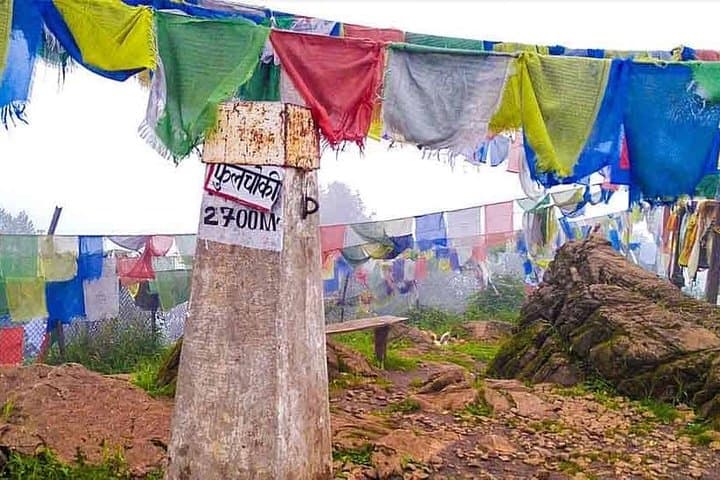
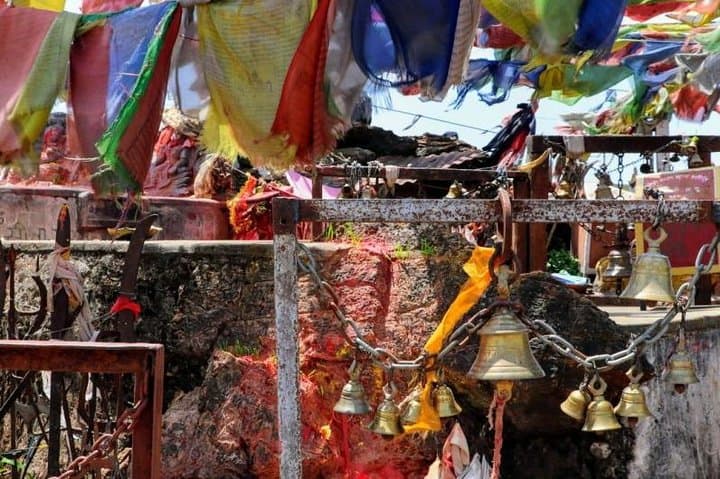
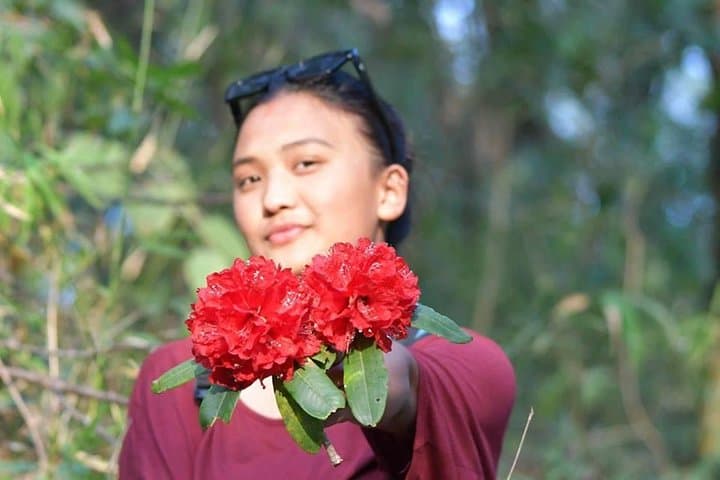
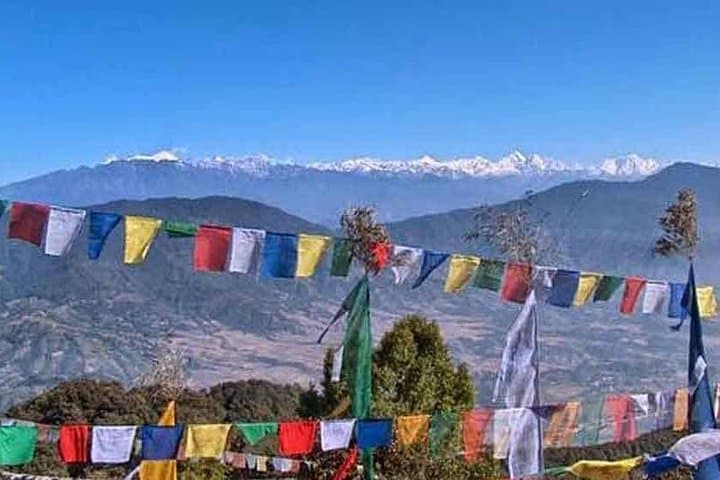
The trail begins where concrete gives way to forest: Godawari’s gardens fade behind you and the path steepens into a green tunnel of rhododendron and oak. Breaths shorten on the switchbacks as the valley opens below; by mid-morning the air thins and the skyline stretches to distant Himalayan ridgelines. On clear days the summit at 2,791 m rewards hikers with a full 360° panorama and the small Phulchowki Mai shrine wrapped in prayer flags.
The trail begins where concrete gives way to forest: Godawari’s gardens fade behind you and the path steepens into a green tunnel of rhododendron and oak. Breaths shorten on the switchbacks as the valley opens below; by mid-morning the air thins and the skyline stretches to distant Himalayan ridgelines. On clear days the summit at 2,791 m rewards hikers with a full 360° panorama and the small Phulchowki Mai shrine wrapped in prayer flags.
Phulchowki — literally “Hill of Flowers” — has long drawn local pilgrims and naturalists. The ridge is geologically part of the Lesser Himalaya: weathered schists and deep forest soils support pockets of endemic plants and seasonal rhododendron blooms. Culturally it’s a day pilgrimage route from the Kathmandu Valley, with Godawari serving as a traditional botanical outpost and picnic site.
Expect sustained uphill hiking, mixed dirt tracks and stone steps, and abundant birdlife—Ultramarine Flycatcher, Nepal Cutia and drongos are commonly sighted. The guide-led itinerary typically leaves Godawari in the morning, reaches the summit midday for lunch and views, then returns to Godawari in the afternoon.
Practical notes: carry 1.5–2 L of water, wear broken-in waterproof boots, and layer for wind at the summit. The route gains roughly 1,000–1,400 m of elevation depending on the exact start point, so pace conservatively and watch for short steep sections. Bring cash for the optional Godawari Botanical Garden entry and respect local customs at the shrine.
This is a solid single-day Himalayan outing: immersive, achievable for moderately fit hikers, and rich in birding and valley vistas—best taken on clear weather windows for maximum mountain visibility.