THE ADVENTURE COLLECTIVE® · Independent discovery and booking for outdoor travel

Climb from Kathmandu’s terraces into rhododendron forests and reach Phulchowki’s 2,762 m summit for sweeping valley views and rich birdlife. This six-hour day hike blends village culture, steep forest trails, and rewarding panoramas—ideal for hikers who want a full-day outing without high-altitude technicalities.
Climb from Kathmandu’s terraces into rhododendron forests and reach Phulchowki’s 2,762 m summit for sweeping valley views and rich birdlife. This six-hour day hike blends village culture, steep forest trails, and rewarding panoramas—ideal for hikers who want a full-day outing without high-altitude technicalities.
Morning light slips across Kathmandu as hikers step from the city’s edge into a lane of terraced fields, climbing toward Phulchowki Dada. The trail rises steadily through village clearings, then dives into a shadowed, moss-slick forest where rhododendron and oak shape the path. Birdsong threads the ascent; at the summit the valley opens—a wide, layered panorama of rooftops, distant ridgelines and, on clear days, the white teeth of the Himalaya.
Verified experiences and guided adventures in the surrounding area.
Operated by Peak to Peak Tours and Treks Pvt Ltd · Kathmandu, Bagmati Province
Morning light slips across Kathmandu as hikers step from the city’s edge into a lane of terraced fields, climbing toward Phulchowki Dada. The trail rises steadily through village clearings, then dives into a shadowed, moss-slick forest where rhododendron and oak shape the path. Birdsong threads the ascent; at the summit the valley opens—a wide, layered panorama of rooftops, distant ridgelines and, on clear days, the white teeth of the Himalaya.
Phulchowki, at about 2,762 m, is the highest hill around the Kathmandu Valley and has long been a seasonal pilgrimage and a traditional woodland used by Newar communities. Geologically, it’s part of the Lesser Himalaya’s folded ridges, with weathered schists underfoot and steep drainage lines cutting narrow gullies. Culturally, small temples and stone shrines mark the hill’s spiritual role; locally it’s valued for both worship and water catchment.
Practical guidance: expect roughly a 10 km round trip and around 1,200 m of elevation gain depending on start point; the listed tour runs about six hours including transport. Terrain alternates hard-packed dirt, roots and occasional rock; footwear with good grip matters. Carry 1.5–2 liters of water, sun protection and a lightweight insulating layer—the summit can be windy and cool. Start early to dodge afternoon clouds and catch the best visibility; move steadily on steeper pitches and use trekking poles if you prefer extra stability. Leave gates as you find them, stick to the trail to protect regenerating rhododendron understory, and listen for the spiny babbler—an endemic that gives the ridge its lively soundtrack.
moderate.
6 hours.
Suitable for hikers in good general fitness who can sustain a steady uphill pace for several hours; some short steep sections require leg strength and balance.
The full experience including transport typically takes about six hours; on-trail distance is roughly 10 km round-trip with about 1,200 m elevation gain—moderate effort with sustained uphill sections.
The route is offered as suitable for most fitness levels, but children and beginners should be prepared for a sustained climb and uneven terrain; guided tours provide transport and pacing to accommodate varied groups.
Clear-weather months (autumn and spring) offer the best visibility; mornings generally present clearer skies and calmer wind than afternoons.
Expect a variety of birds including the spiny babbler and rufous sibia, plus common mammals like rhesus macaques; wildlife sightings are more frequent in quieter, shaded sections of the forest.
Phulchowki has long been a local pilgrimage site and community watershed for Kathmandu’s surrounding villages, with vernacular temples and seasonal festivals tied to the hill.
The area faces pressure from invasive species and informal trail braiding; sticking to marked routes and carrying out waste helps protect the hill’s regenerating rhododendron and oak forests.
Peak to Peak Tours and Treks Pvt Ltd operates guided outdoor trips and adventures with an emphasis on safety, stewardship, and memorable experiences.
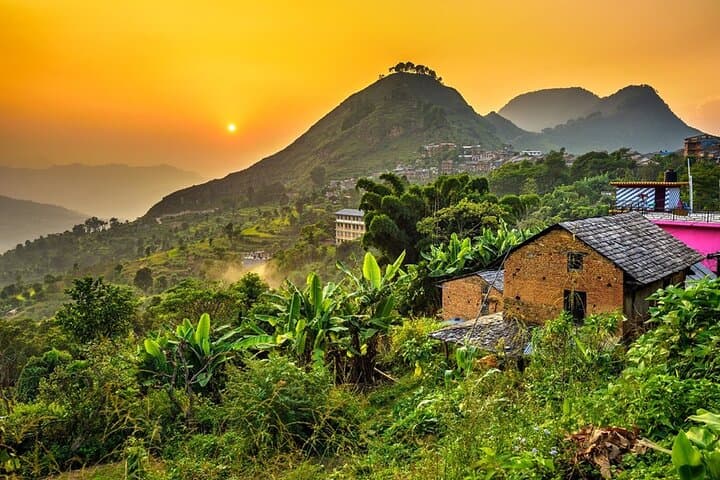
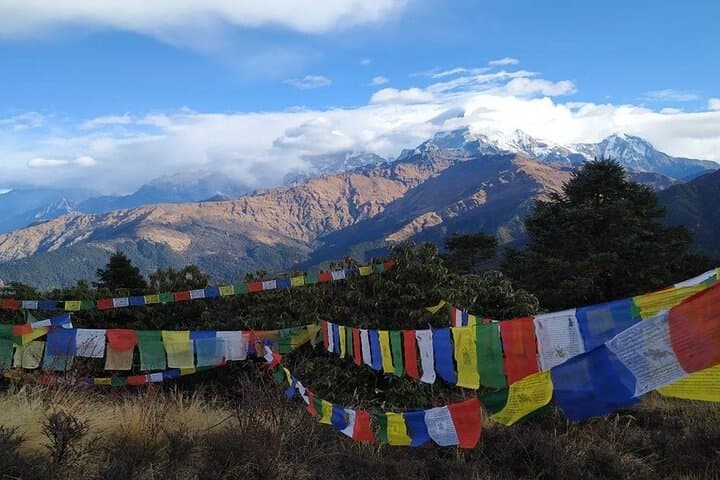
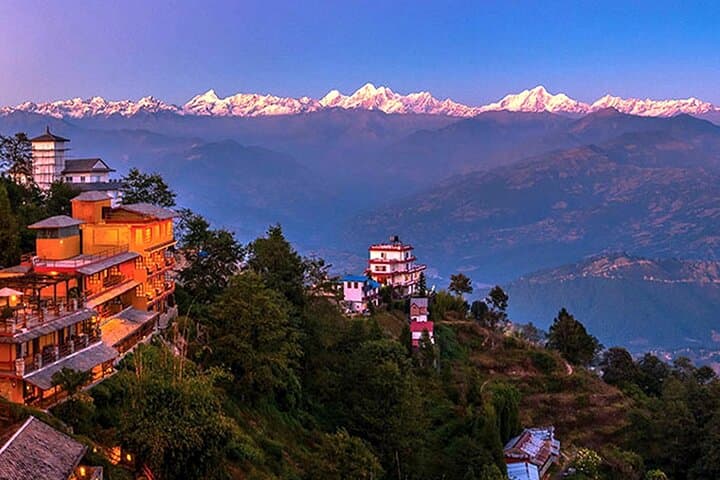
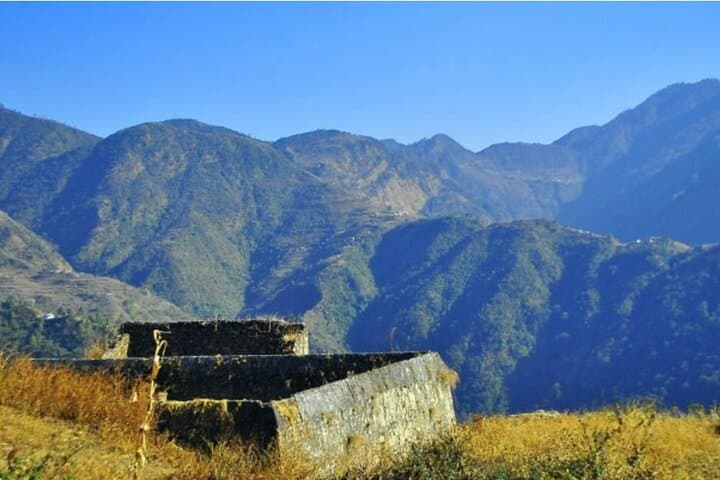
Morning light slips across Kathmandu as hikers step from the city’s edge into a lane of terraced fields, climbing toward Phulchowki Dada. The trail rises steadily through village clearings, then dives into a shadowed, moss-slick forest where rhododendron and oak shape the path. Birdsong threads the ascent; at the summit the valley opens—a wide, layered panorama of rooftops, distant ridgelines and, on clear days, the white teeth of the Himalaya.
Morning light slips across Kathmandu as hikers step from the city’s edge into a lane of terraced fields, climbing toward Phulchowki Dada. The trail rises steadily through village clearings, then dives into a shadowed, moss-slick forest where rhododendron and oak shape the path. Birdsong threads the ascent; at the summit the valley opens—a wide, layered panorama of rooftops, distant ridgelines and, on clear days, the white teeth of the Himalaya.
Phulchowki, at about 2,762 m, is the highest hill around the Kathmandu Valley and has long been a seasonal pilgrimage and a traditional woodland used by Newar communities. Geologically, it’s part of the Lesser Himalaya’s folded ridges, with weathered schists underfoot and steep drainage lines cutting narrow gullies. Culturally, small temples and stone shrines mark the hill’s spiritual role; locally it’s valued for both worship and water catchment.
Practical guidance: expect roughly a 10 km round trip and around 1,200 m of elevation gain depending on start point; the listed tour runs about six hours including transport. Terrain alternates hard-packed dirt, roots and occasional rock; footwear with good grip matters. Carry 1.5–2 liters of water, sun protection and a lightweight insulating layer—the summit can be windy and cool. Start early to dodge afternoon clouds and catch the best visibility; move steadily on steeper pitches and use trekking poles if you prefer extra stability. Leave gates as you find them, stick to the trail to protect regenerating rhododendron understory, and listen for the spiny babbler—an endemic that gives the ridge its lively soundtrack.