THE ADVENTURE COLLECTIVE® · Independent discovery and booking for outdoor travel

Walk from Godawari to Phulchoki and trade Kathmandu’s bustle for high-elevation bird habitat and spring rhododendron bloom. This guided day hike combines steady climbing, rich birdlife sightings, and panoramic valley views.
Walk from Godawari to Phulchoki and trade Kathmandu’s bustle for high-elevation bird habitat and spring rhododendron bloom. This guided day hike combines steady climbing, rich birdlife sightings, and panoramic valley views.
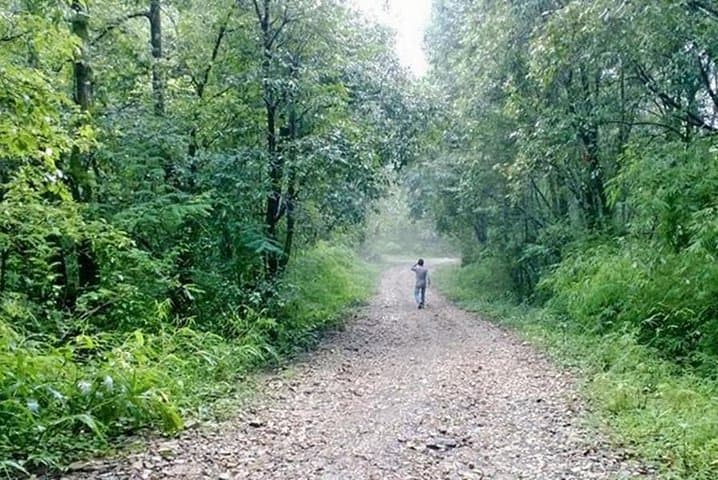
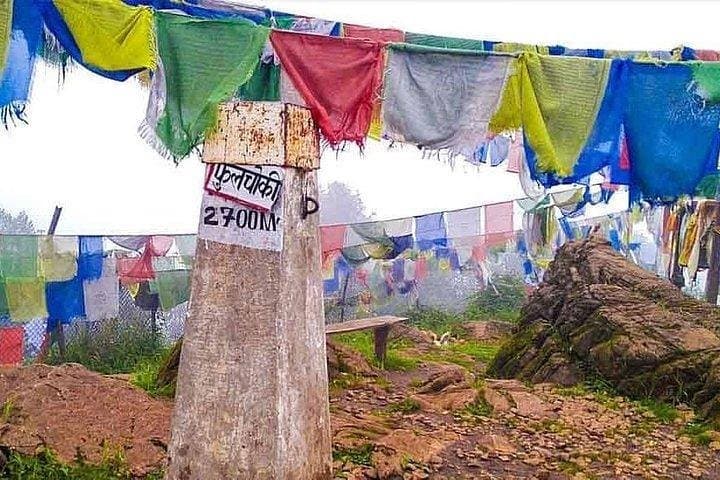
A cool morning on the road out of Kathmandu, the city shrinking behind you as terraced fields and eucalyptus give way to thick oak and rhododendron. The vehicle drops you at Godawari and the trail pulls you upward through a living, breathing forest where drums of insect sound and canopy birds flit like punctuation. Phulchoki, one of the valley’s highest hills at roughly 2,782 m, stretches itself above Kathmandu; the summit opens into a 360-degree vantage where the valley and distant Himalayan ridgelines push the eye outward.
Verified experiences and guided adventures in the surrounding area.
Operated by Himalayan Smile Treks and Adventure Pvt. Ltd · Godawari, Bagmati Province
A cool morning on the road out of Kathmandu, the city shrinking behind you as terraced fields and eucalyptus give way to thick oak and rhododendron. The vehicle drops you at Godawari and the trail pulls you upward through a living, breathing forest where drums of insect sound and canopy birds flit like punctuation. Phulchoki, one of the valley’s highest hills at roughly 2,782 m, stretches itself above Kathmandu; the summit opens into a 360-degree vantage where the valley and distant Himalayan ridgelines push the eye outward.
The hill has long been a cultural marker — pilgrims visit the small Phulchoki Mai temple while naturalists catalog the region’s rich flora. Geologically, Phulchoki is part of the Siwalik foothills: folded, weathered sedimentary ridges that lift the forest into cooler, wetter microclimates, ideal for rhododendron blooms in spring and for migrant songbirds in transit.
Expect to log 7–8 hours with steady uphill sections, mixed singletrack and jeep road, and occasional muddy stretches after rain. A professional birding guide points out species from long-tailed drongos to ultramarine flycatchers and the rare Nepal cutia; keep binoculars trained at forest edges and in mossy gullies where warblers forage.
Practical edge: start early for peak bird activity and clearer mountain views, carry water and a light packed lunch, and layer for a temperature swing at elevation. Stick to the trail, minimize chatter near feeding areas, and bring a field guide or app to log sightings — the cadence of the forest rewards patience.
moderate.
7–8 hours.
Moderate fitness required—expect steady uphill hiking to nearly 2,800 m with uneven terrain and some steep sections.
The trip is typically 7–8 hours round-trip from Godawari with steady uphill sections to about 2,782 m; it’s rated moderate—good cardiovascular fitness and comfortable hiking experience are recommended.
No special permits are normally required for day visitors arriving from Godawari, though small local donations or temple offerings may apply at cultural sites.
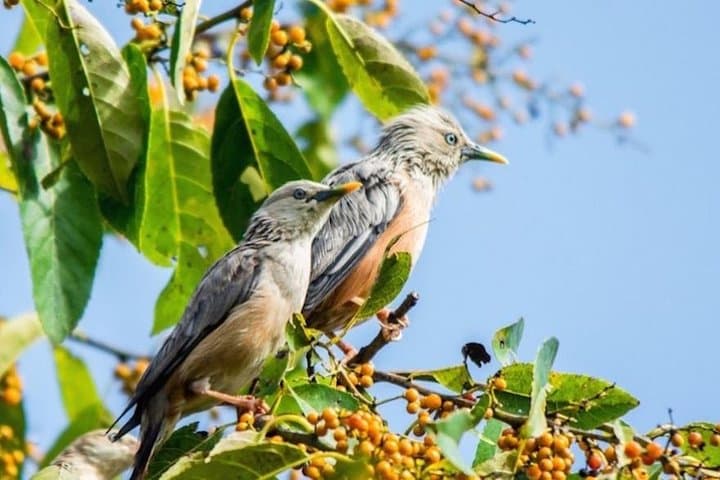
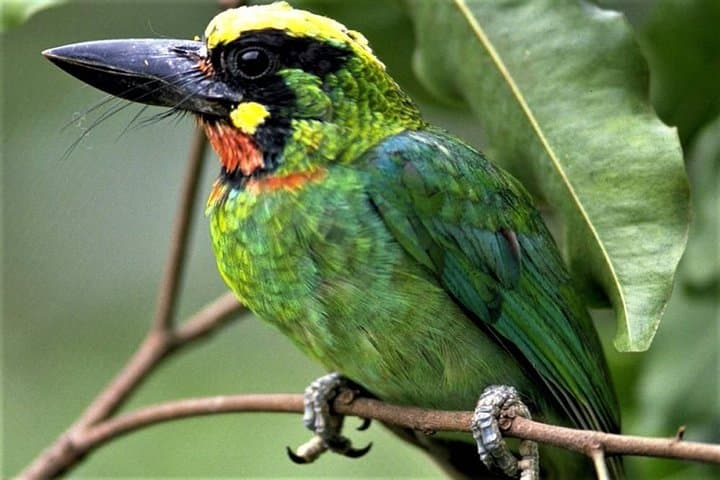
Expect long-tailed drongos, greater yellow nape, grey-headed woodpecker, ultramarine flycatcher, Nepal cutia, and various warblers and minivets; migrants increase species diversity in spring and autumn.
At roughly 2,700–2,800 m the risk is low for most visitors but those with cardiorespiratory issues should exercise caution; ascend at a steady pace and stay hydrated.
Phulchoki has been both a pilgrimage site and a botanical interest since the British-era surveys; local temples and forest use reflect long-standing cultural ties to the hill.
The area faces pressure from visitor traffic and invasive species; stay on marked trails, carry out waste, and avoid feeding wildlife to protect fragile montane habitats.
Himalayan Smile Treks and Adventure Pvt. Ltd operates guided outdoor trips and adventures with an emphasis on safety, stewardship, and memorable experiences.
A cool morning on the road out of Kathmandu, the city shrinking behind you as terraced fields and eucalyptus give way to thick oak and rhododendron. The vehicle drops you at Godawari and the trail pulls you upward through a living, breathing forest where drums of insect sound and canopy birds flit like punctuation. Phulchoki, one of the valley’s highest hills at roughly 2,782 m, stretches itself above Kathmandu; the summit opens into a 360-degree vantage where the valley and distant Himalayan ridgelines push the eye outward.
A cool morning on the road out of Kathmandu, the city shrinking behind you as terraced fields and eucalyptus give way to thick oak and rhododendron. The vehicle drops you at Godawari and the trail pulls you upward through a living, breathing forest where drums of insect sound and canopy birds flit like punctuation. Phulchoki, one of the valley’s highest hills at roughly 2,782 m, stretches itself above Kathmandu; the summit opens into a 360-degree vantage where the valley and distant Himalayan ridgelines push the eye outward.
The hill has long been a cultural marker — pilgrims visit the small Phulchoki Mai temple while naturalists catalog the region’s rich flora. Geologically, Phulchoki is part of the Siwalik foothills: folded, weathered sedimentary ridges that lift the forest into cooler, wetter microclimates, ideal for rhododendron blooms in spring and for migrant songbirds in transit.
Expect to log 7–8 hours with steady uphill sections, mixed singletrack and jeep road, and occasional muddy stretches after rain. A professional birding guide points out species from long-tailed drongos to ultramarine flycatchers and the rare Nepal cutia; keep binoculars trained at forest edges and in mossy gullies where warblers forage.
Practical edge: start early for peak bird activity and clearer mountain views, carry water and a light packed lunch, and layer for a temperature swing at elevation. Stick to the trail, minimize chatter near feeding areas, and bring a field guide or app to log sightings — the cadence of the forest rewards patience.