THE ADVENTURE COLLECTIVE® · Independent discovery and booking for outdoor travel

A full-day hike from Godawari Botanical Garden to Phulchoki delivers sweeping Himalayan views and rich birdlife above Kathmandu. This route mixes botanical gardens, village tracks and ridge-top viewpoints—ideal for hikers who want a high-reward day trip with manageable logistics.
A full-day hike from Godawari Botanical Garden to Phulchoki delivers sweeping Himalayan views and rich birdlife above Kathmandu. This route mixes botanical gardens, village tracks and ridge-top viewpoints—ideal for hikers who want a high-reward day trip with manageable logistics.
You leave Kathmandu's churn of honking traffic behind as the road climbs into green hills and the car drops you at Godawari Botanical Garden.
The air tightens with bird song—warblers and bulbuls calling through stands of rhododendron—and the path quickly becomes a corridor of mossy roots and stone steps that push you upward.
Over the next hours the valley falls away beneath you: terraced villages, patchwork rice fields, and the concrete sprawl of Kathmandu reduced to a distant hum. At higher switchbacks alpine shrubs replace the subtropical undergrowth and the trail opens onto long vistas where the Himalaya appear as a white, jagged horizon.
Phulchoki (2,791 m) sits on the southern rim of the Kathmandu basin; locally it's both a pilgrimage peak with small shrines and a birding magnet. Geologically the climb follows the uplifted hills bordering the valley—weathered slopes, boulder outcrops and compacted forest soils that hold water long after rain.
Expect a mix of well-trodden dirt track, occasional stone staircases and some steeper sections; the reward is a broad viewpoint and, on a clear day, a sweep of major Himalayan summits.
Practical notes: start early to catch crisper morning skies and avoid clouds that roll up from the lowlands, carry 1–2 liters of water, and pack layers—the temperature can drop sharply above 2,000 m. The route is family-friendly if paced conservatively, but be prepared for sustained uphill walking and uneven footing. Local tea stalls and the Godawari grounds make good rest stops; respect local rules and leave no trace to protect the fragile hill forests.
Verified experiences and guided adventures in the surrounding area.
Operated by Couch Adventure Nepal (CAN) · Kathmandu, Bagmati Province
You leave Kathmandu's churn of honking traffic behind as the road climbs into green hills and the car drops you at Godawari Botanical Garden.
The air tightens with bird song—warblers and bulbuls calling through stands of rhododendron—and the path quickly becomes a corridor of mossy roots and stone steps that push you upward.
Over the next hours the valley falls away beneath you: terraced villages, patchwork rice fields, and the concrete sprawl of Kathmandu reduced to a distant hum. At higher switchbacks alpine shrubs replace the subtropical undergrowth and the trail opens onto long vistas where the Himalaya appear as a white, jagged horizon.
Phulchoki (2,791 m) sits on the southern rim of the Kathmandu basin; locally it's both a pilgrimage peak with small shrines and a birding magnet. Geologically the climb follows the uplifted hills bordering the valley—weathered slopes, boulder outcrops and compacted forest soils that hold water long after rain.
Expect a mix of well-trodden dirt track, occasional stone staircases and some steeper sections; the reward is a broad viewpoint and, on a clear day, a sweep of major Himalayan summits.
Practical notes: start early to catch crisper morning skies and avoid clouds that roll up from the lowlands, carry 1–2 liters of water, and pack layers—the temperature can drop sharply above 2,000 m. The route is family-friendly if paced conservatively, but be prepared for sustained uphill walking and uneven footing. Local tea stalls and the Godawari grounds make good rest stops; respect local rules and leave no trace to protect the fragile hill forests.
moderate.
6–7 hours.
Suitable for hikers with moderate fitness; expect sustained uphill walking and some steep sections—take breaks if needed.
Most groups describe it as moderate: steady uphill sections with uneven ground. Pace yourself and rest at tea stalls or viewpoints along the way.
Yes—this tour typically includes hotel pickup and drop-off and a car transfer to Godawari before the hike begins.
Godawari Botanical Garden may charge a small entry fee; check locally or with your guide—admission is often not included in basic tour prices.
Phulchoki reaches 2,791 m; most day-hikers do fine, but if you are sensitive to altitude take it slowly, hydrate, and avoid overexertion.
Phulchoki has long been a local pilgrimage site with small shrines near the summit; Godawari has been developed as a botanical conservation and research area for the valley.
The hill forests are ecologically fragile; stick to trails, pack out waste, and support local conservation or botanical garden fees that fund habitat protection.
Couch Adventure Nepal (CAN) operates guided outdoor trips and adventures with an emphasis on safety, stewardship, and memorable experiences.

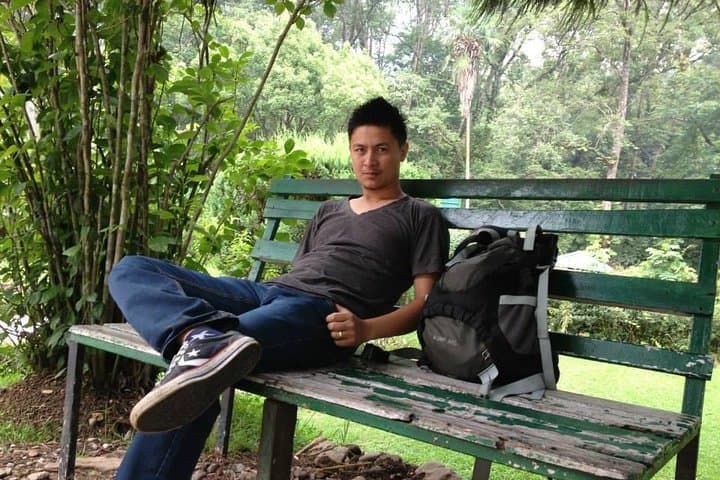
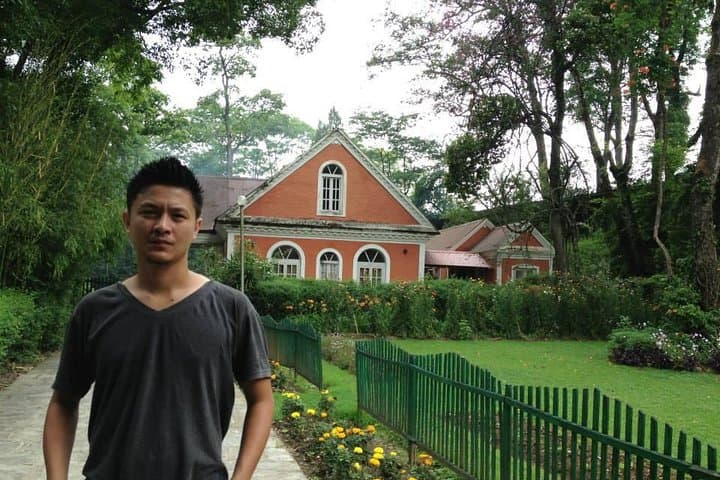
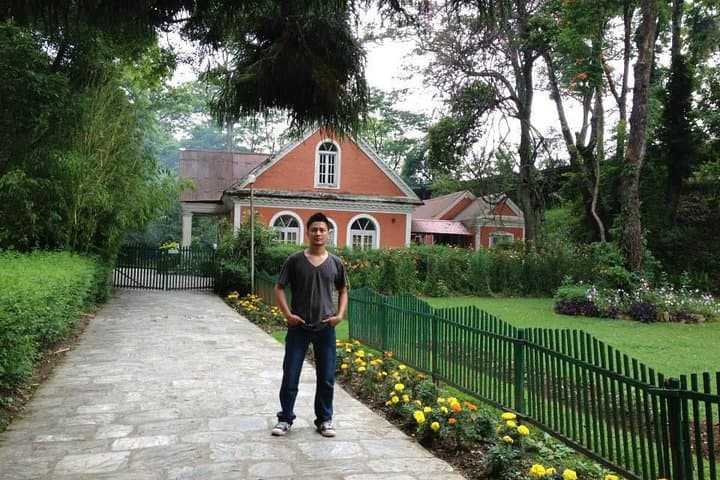
You leave Kathmandu's churn of honking traffic behind as the road climbs into green hills and the car drops you at Godawari Botanical Garden.
The air tightens with bird song—warblers and bulbuls calling through stands of rhododendron—and the path quickly becomes a corridor of mossy roots and stone steps that push you upward.
Over the next hours the valley falls away beneath you: terraced villages, patchwork rice fields, and the concrete sprawl of Kathmandu reduced to a distant hum. At higher switchbacks alpine shrubs replace the subtropical undergrowth and the trail opens onto long vistas where the Himalaya appear as a white, jagged horizon.
Phulchoki (2,791 m) sits on the southern rim of the Kathmandu basin; locally it's both a pilgrimage peak with small shrines and a birding magnet. Geologically the climb follows the uplifted hills bordering the valley—weathered slopes, boulder outcrops and compacted forest soils that hold water long after rain.
Expect a mix of well-trodden dirt track, occasional stone staircases and some steeper sections; the reward is a broad viewpoint and, on a clear day, a sweep of major Himalayan summits.
Practical notes: start early to catch crisper morning skies and avoid clouds that roll up from the lowlands, carry 1–2 liters of water, and pack layers—the temperature can drop sharply above 2,000 m. The route is family-friendly if paced conservatively, but be prepared for sustained uphill walking and uneven footing. Local tea stalls and the Godawari grounds make good rest stops; respect local rules and leave no trace to protect the fragile hill forests.
You leave Kathmandu's churn of honking traffic behind as the road climbs into green hills and the car drops you at Godawari Botanical Garden.
The air tightens with bird song—warblers and bulbuls calling through stands of rhododendron—and the path quickly becomes a corridor of mossy roots and stone steps that push you upward.
Over the next hours the valley falls away beneath you: terraced villages, patchwork rice fields, and the concrete sprawl of Kathmandu reduced to a distant hum. At higher switchbacks alpine shrubs replace the subtropical undergrowth and the trail opens onto long vistas where the Himalaya appear as a white, jagged horizon.
Phulchoki (2,791 m) sits on the southern rim of the Kathmandu basin; locally it's both a pilgrimage peak with small shrines and a birding magnet. Geologically the climb follows the uplifted hills bordering the valley—weathered slopes, boulder outcrops and compacted forest soils that hold water long after rain.
Expect a mix of well-trodden dirt track, occasional stone staircases and some steeper sections; the reward is a broad viewpoint and, on a clear day, a sweep of major Himalayan summits.
Practical notes: start early to catch crisper morning skies and avoid clouds that roll up from the lowlands, carry 1–2 liters of water, and pack layers—the temperature can drop sharply above 2,000 m. The route is family-friendly if paced conservatively, but be prepared for sustained uphill walking and uneven footing. Local tea stalls and the Godawari grounds make good rest stops; respect local rules and leave no trace to protect the fragile hill forests.