THE ADVENTURE COLLECTIVE® · Independent discovery and booking for outdoor travel

Traverse the narrow Phulara Ridge and wide Pushtara meadows on a six-day trek from Sankri through Govind National Park. Expect forested climbs, alpine bugyals, tented camps and high ridge panoramas up to ~12,000 ft.
Traverse the narrow Phulara Ridge and wide Pushtara meadows on a six-day trek from Sankri through Govind National Park. Expect forested climbs, alpine bugyals, tented camps and high ridge panoramas up to ~12,000 ft.
The morning air on Phulara Ridge cuts clean and bright; a thin mist lifts from the meadows and the ridge itself seems to breathe, edges tipping into two different valleys. Walkers begin in Sankri and climb through a carpet of pines, across wooden bridges and through rhododendron corridors until the trail opens onto Bhoj Gadi and the narrow spine of Phulara, where a 250-degree panorama unfolds.
Verified experiences and guided adventures in the surrounding area.
Operated by Himalaya Shelter · Sankri, Uttarakhand
The morning air on Phulara Ridge cuts clean and bright; a thin mist lifts from the meadows and the ridge itself seems to breathe, edges tipping into two different valleys. Walkers begin in Sankri and climb through a carpet of pines, across wooden bridges and through rhododendron corridors until the trail opens onto Bhoj Gadi and the narrow spine of Phulara, where a 250-degree panorama unfolds.
This trek threads through Govind National Park and the Sankri region of Uttarakhand, a landscape shaped by young Himalayan geology—glaciated valleys, moraine ridges and alpine bugyals (meadows) that swell with wildflowers in late spring. Culturally the route passes small Garhwali settlements where shepherding and seasonal grazing persist; you’ll encounter simple guesthouses, a lone dhaba and stone arrangements that mark past shepherd camps.
Expect varied terrain: forest tracks, steep switchbacks, grassy meadows and a few exposed ridge sections that demand sure-footedness. Altitude tops out around 12,000 ft on parts of the ridge; acclimatization is gradual because the itinerary spaces climbs over six days. Wildlife is possible—monal pheasant, langur troops and Himalayan birds are common sights.
Practical guidance: pack layered clothing, waterproof boots, and a good sleeping bag—the trip includes tented nights and porter/mule support for group kit but not personal rucksacks. Hydrate and pace yourself on ridge days; dawn and dusk carry the cold and the best light for views. The trail rewards steady hikers with sweeping mountain panoramas and flower-filled pastures—an accessible but bold Himalayan ridge experience.
moderate.
6 days (trek segments 3–8 hours/day).
Good cardiovascular fitness and regular hill-walking experience; able to handle sustained ascents and uneven ground.
Sections of the Phulara Ridge reach approximately 12,000 feet (around 3,650 m), with daily altitudes varying between 6,500–9,000 ft on approach and higher on ridge days.
No technical climbing skills are needed, but participants should have moderate fitness and experience with multi-day hikes and uneven terrain.
The itinerary includes guesthouse accommodation in Sankri and tented camping (double/triple occupancy) with sleeping mats and clean sleeping bags provided.
Yes—porter and mule support is provided to carry group camping equipment; personal luggage is not carried by porters, so pack a manageable daypack.
The route passes traditional Garhwali settlements and pastures used for seasonal grazing; local shepherding culture shapes trail use and campsite locations.
The trek goes through Govind National Park; visitors should follow Leave No Trace, avoid disturbing wildlife, and use designated campsites to minimize impact.
Himalaya Shelter operates guided outdoor trips and adventures with an emphasis on safety, stewardship, and memorable experiences.
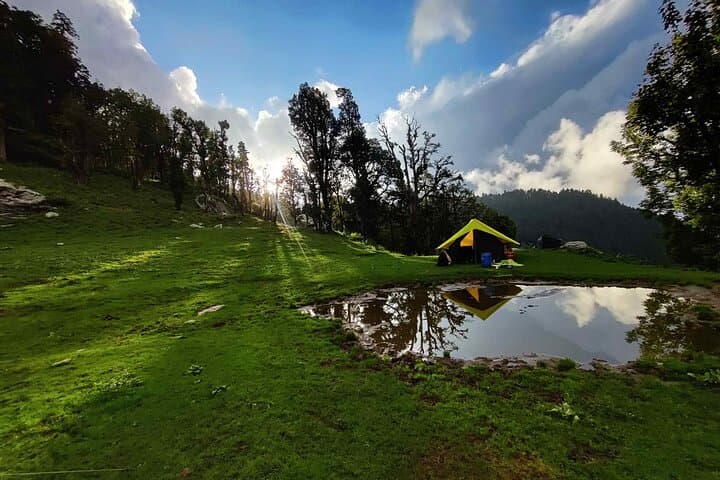
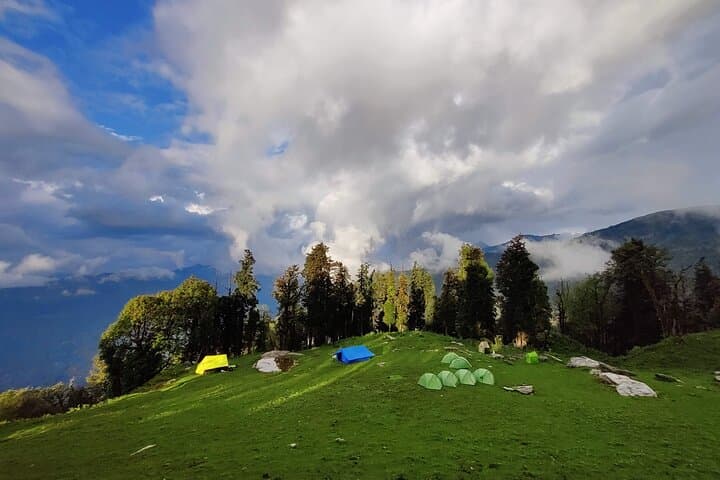
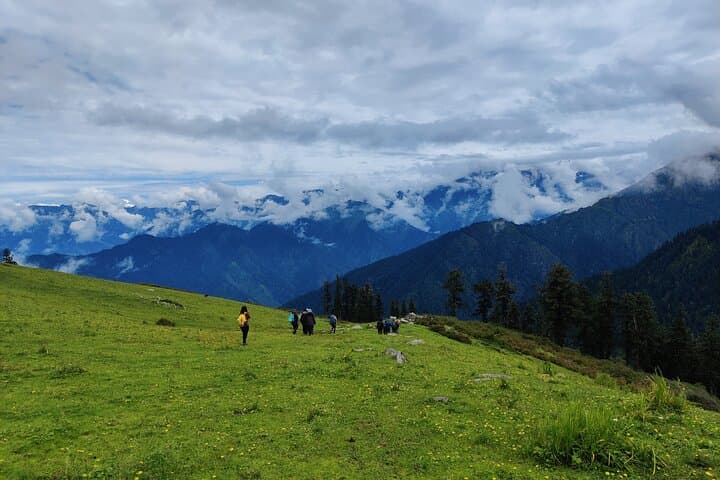
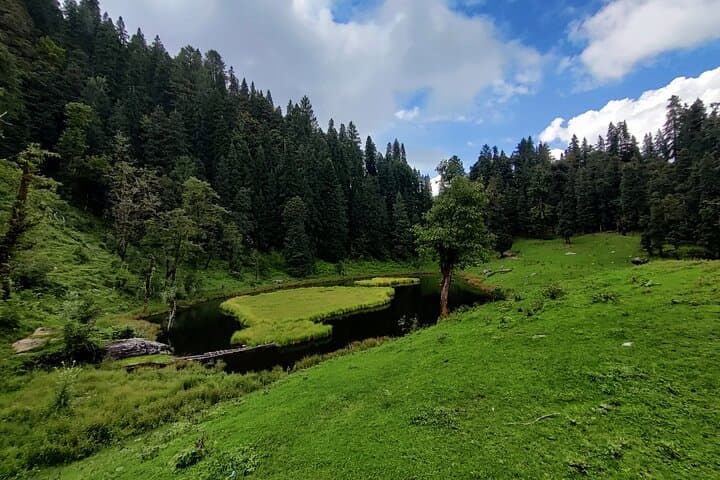
The morning air on Phulara Ridge cuts clean and bright; a thin mist lifts from the meadows and the ridge itself seems to breathe, edges tipping into two different valleys. Walkers begin in Sankri and climb through a carpet of pines, across wooden bridges and through rhododendron corridors until the trail opens onto Bhoj Gadi and the narrow spine of Phulara, where a 250-degree panorama unfolds.
The morning air on Phulara Ridge cuts clean and bright; a thin mist lifts from the meadows and the ridge itself seems to breathe, edges tipping into two different valleys. Walkers begin in Sankri and climb through a carpet of pines, across wooden bridges and through rhododendron corridors until the trail opens onto Bhoj Gadi and the narrow spine of Phulara, where a 250-degree panorama unfolds.
This trek threads through Govind National Park and the Sankri region of Uttarakhand, a landscape shaped by young Himalayan geology—glaciated valleys, moraine ridges and alpine bugyals (meadows) that swell with wildflowers in late spring. Culturally the route passes small Garhwali settlements where shepherding and seasonal grazing persist; you’ll encounter simple guesthouses, a lone dhaba and stone arrangements that mark past shepherd camps.
Expect varied terrain: forest tracks, steep switchbacks, grassy meadows and a few exposed ridge sections that demand sure-footedness. Altitude tops out around 12,000 ft on parts of the ridge; acclimatization is gradual because the itinerary spaces climbs over six days. Wildlife is possible—monal pheasant, langur troops and Himalayan birds are common sights.
Practical guidance: pack layered clothing, waterproof boots, and a good sleeping bag—the trip includes tented nights and porter/mule support for group kit but not personal rucksacks. Hydrate and pace yourself on ridge days; dawn and dusk carry the cold and the best light for views. The trail rewards steady hikers with sweeping mountain panoramas and flower-filled pastures—an accessible but bold Himalayan ridge experience.