THE ADVENTURE COLLECTIVE® · Independent discovery and booking for outdoor travel

Cross the Andaman Sea from Phuket to the iconic Phi Phi Islands: a day of limestone cliffs, snorkeling in Pi Leh, lunch on Phi Phi Don and photo stops at Viking Cave and Monkey Beach.
Cross the Andaman Sea from Phuket to the iconic Phi Phi Islands: a day of limestone cliffs, snorkeling in Pi Leh, lunch on Phi Phi Don and photo stops at Viking Cave and Monkey Beach.
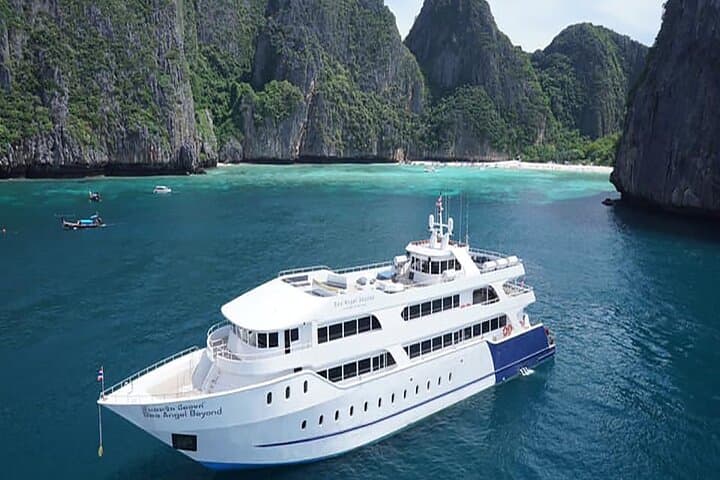
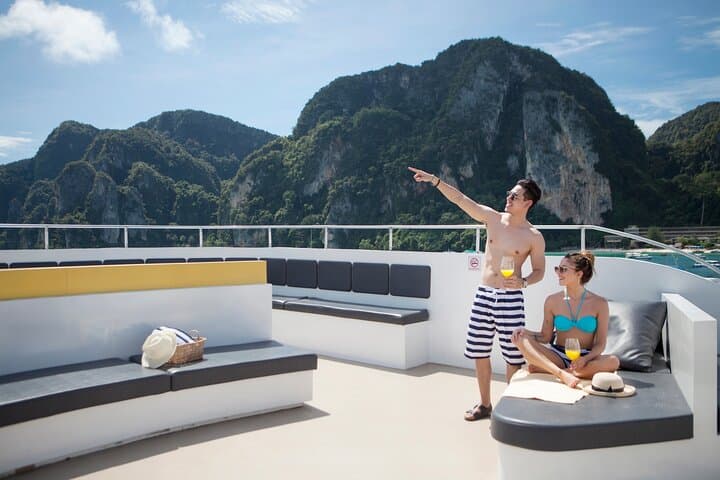
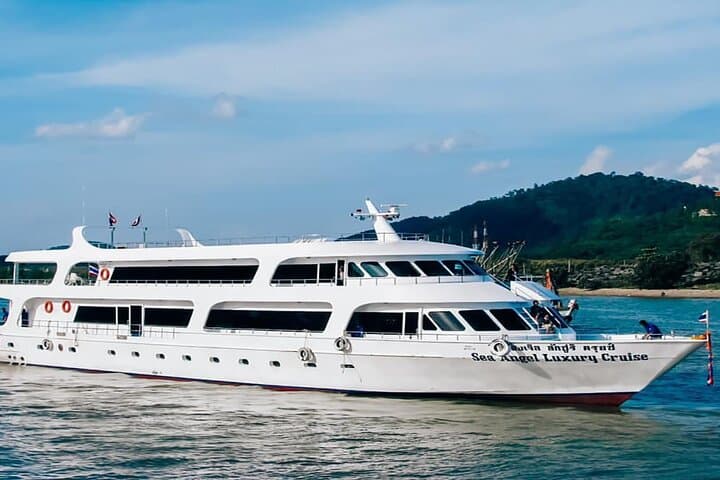
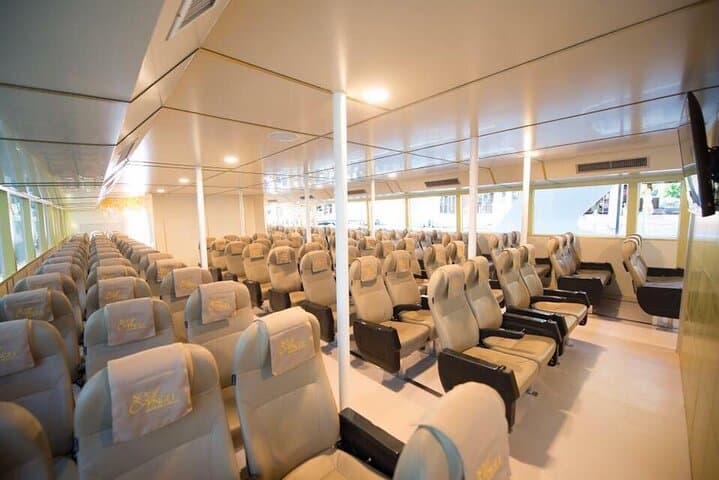
Aboard a sunlit cruiser leaving Phuket’s pier, the Andaman Sea opens like a moving map. Limestone islets rise abruptly from green water, their sheer faces daring the horizon; gulls wheel and the engine hum becomes the day’s steady pulse. By mid-morning the boat threads through karst towers toward Phi Phi Leh’s cliffs, where Viking Cave’s dark throat punctuates the rock and swallows thread the air.
Verified experiences and guided adventures in the surrounding area.
Operated by Sea Angel Boat Trip · Phuket, Phuket Province
Aboard a sunlit cruiser leaving Phuket’s pier, the Andaman Sea opens like a moving map. Limestone islets rise abruptly from green water, their sheer faces daring the horizon; gulls wheel and the engine hum becomes the day’s steady pulse. By mid-morning the boat threads through karst towers toward Phi Phi Leh’s cliffs, where Viking Cave’s dark throat punctuates the rock and swallows thread the air.
Geologically the Phi Phi group is young limestone uplift carved by waves and rain; tunnels, coves and narrow lagoons are the result. Human history here mixes sea-faring Malay and Southern Thai culture with recent tourist waves—the islands rebuilt after the 2004 tsunami and now balance access and recovery. Local fishing villages on Phi Phi Don still serve fresh catch alongside beachside cafés; cultural rhythms slow once the speedboats pull away.
Expect a mix of photo stops and active minutes: a pass-by of Maya Bay, a snorkel in Pi Leh’s protected cove, lunch on Phi Phi Don, and a quieter snorkeling stretch at a coral site. Marine life is visible in clear water—tropical fish, patches of hard and soft coral, occasional rays—and boats follow a regulated pattern to limit reef impact.
Practical guidance: bring reef-safe sunscreen, a snug mask (snorkel gear is provided but fit varies), and a light windbreaker for the open crossing. Plan for eight hours total; sea conditions can be choppy so those prone to motion sickness should medicate beforehand. Arrive early at the meeting pier in Phuket and secure phone- or paper-based tickets as instructed. Respect local rules: don’t touch coral, avoid feeding monkeys on beaches, and carry cash for small purchases on Phi Phi Don.
easy.
8 hours.
Suitable for light to moderate fitness; ability to climb aboard smaller tenders and step on sandy beaches helps.
Yes—basic snorkel masks, fins and life vests are supplied, but bringing your own mask can improve comfort and fit.
No—Maya Bay is viewed from the boat on this itinerary; access has been restricted to allow reef recovery.
Round-trip transfers from selected Phuket hotels are included; confirm pickup point at booking and allow time for group collection.
People with serious back problems, recent surgery, cardiovascular issues, pregnant travelers, or severe mobility limits should not join; check provider guidance before booking.
The Phi Phi islands are limestone karsts uplifted over millennia; modern settlements grew around fishing and trade, then shifted toward tourism after the 20th century.
Several bays have temporary or permanent access limits to allow coral recovery; visitors are urged to use reef-safe products and avoid contact with marine life.
Sea Angel Boat Trip operates guided outdoor trips and adventures with an emphasis on safety, stewardship, and memorable experiences.
Aboard a sunlit cruiser leaving Phuket’s pier, the Andaman Sea opens like a moving map. Limestone islets rise abruptly from green water, their sheer faces daring the horizon; gulls wheel and the engine hum becomes the day’s steady pulse. By mid-morning the boat threads through karst towers toward Phi Phi Leh’s cliffs, where Viking Cave’s dark throat punctuates the rock and swallows thread the air.
Aboard a sunlit cruiser leaving Phuket’s pier, the Andaman Sea opens like a moving map. Limestone islets rise abruptly from green water, their sheer faces daring the horizon; gulls wheel and the engine hum becomes the day’s steady pulse. By mid-morning the boat threads through karst towers toward Phi Phi Leh’s cliffs, where Viking Cave’s dark throat punctuates the rock and swallows thread the air.
Geologically the Phi Phi group is young limestone uplift carved by waves and rain; tunnels, coves and narrow lagoons are the result. Human history here mixes sea-faring Malay and Southern Thai culture with recent tourist waves—the islands rebuilt after the 2004 tsunami and now balance access and recovery. Local fishing villages on Phi Phi Don still serve fresh catch alongside beachside cafés; cultural rhythms slow once the speedboats pull away.
Expect a mix of photo stops and active minutes: a pass-by of Maya Bay, a snorkel in Pi Leh’s protected cove, lunch on Phi Phi Don, and a quieter snorkeling stretch at a coral site. Marine life is visible in clear water—tropical fish, patches of hard and soft coral, occasional rays—and boats follow a regulated pattern to limit reef impact.
Practical guidance: bring reef-safe sunscreen, a snug mask (snorkel gear is provided but fit varies), and a light windbreaker for the open crossing. Plan for eight hours total; sea conditions can be choppy so those prone to motion sickness should medicate beforehand. Arrive early at the meeting pier in Phuket and secure phone- or paper-based tickets as instructed. Respect local rules: don’t touch coral, avoid feeding monkeys on beaches, and carry cash for small purchases on Phi Phi Don.