THE ADVENTURE COLLECTIVE® · Independent discovery and booking for outdoor travel

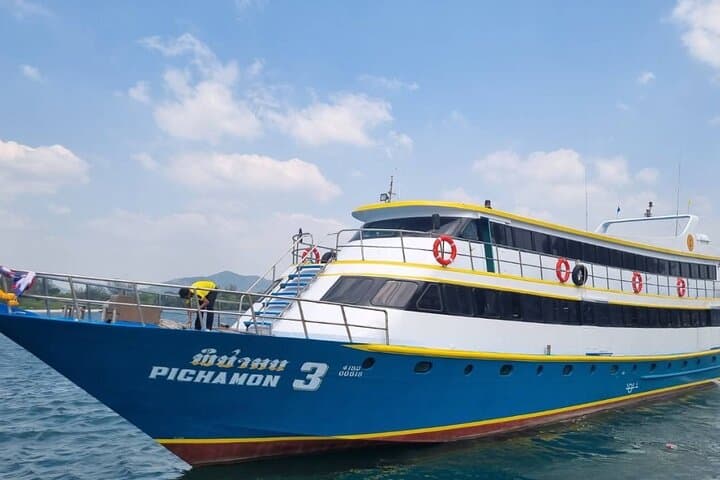
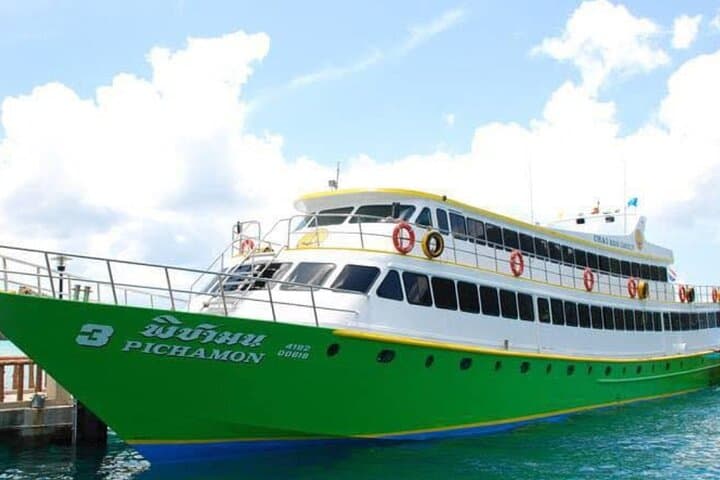
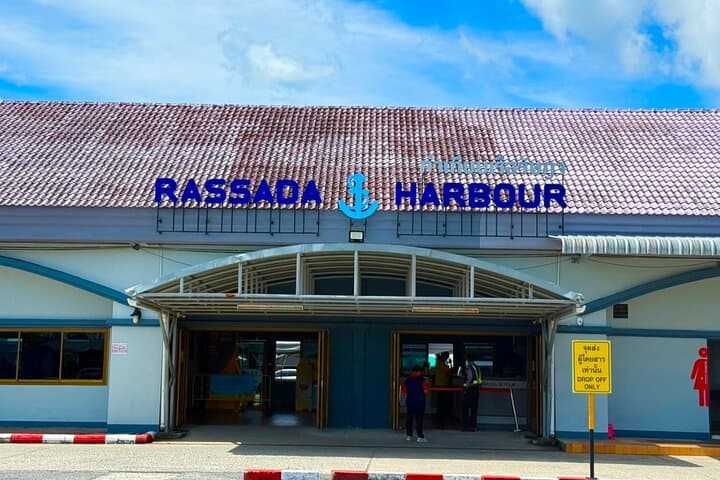
Glide across the Andaman Sea on the Chaokoh Ferry between Rassada Pier (Phuket) and Tonsai Pier (Koh Phi Phi). Expect panoramic limestone cliffs, indoor cabins and open decks, and quick access to beaches and dive spots once you disembark.
Glide across the Andaman Sea on the Chaokoh Ferry between Rassada Pier (Phuket) and Tonsai Pier (Koh Phi Phi). Expect panoramic limestone cliffs, indoor cabins and open decks, and quick access to beaches and dive spots once you disembark.
The ferry slips away from Rassada Pier with a whistle and a sigh; salt wind tugs at loose hair and the island skyline recedes into a jagged line of limestone ridges. From the open deck you watch limestone karsts puncture the turquoise expanse — a textbook of Andaman geology written in cliffs and sea caves — while local crew move with practiced calm.
Verified experiences and guided adventures in the surrounding area.
Operated by Ferryhopper · Ko Phi Phi, Krabi Province
The ferry slips away from Rassada Pier with a whistle and a sigh; salt wind tugs at loose hair and the island skyline recedes into a jagged line of limestone ridges. From the open deck you watch limestone karsts puncture the turquoise expanse — a textbook of Andaman geology written in cliffs and sea caves — while local crew move with practiced calm.
Phi Phi was once a small fishing and sea-gypsy community; today Tonsai Harbor is a working pier that greets daily arrivals of travelers chasing reefs, viewpoints, and the island’s compact village life. The islands sit on uplifted carbonate platforms; currents carve caves and beaches, creating the pocketed bays and swim-ready coves that define the route.
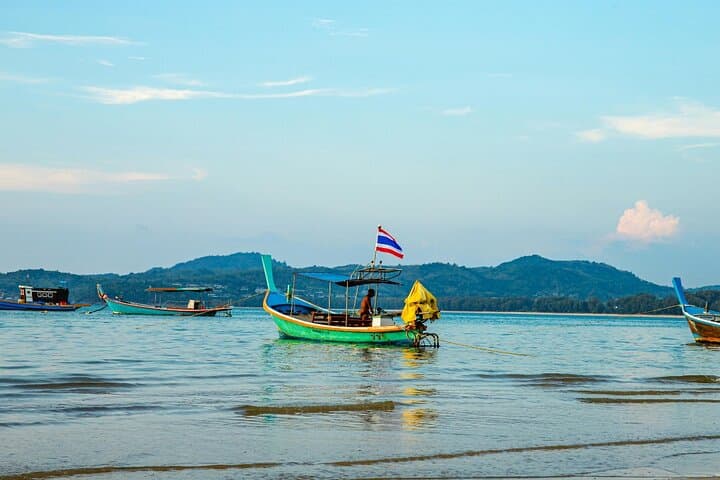
Culture here is coastal and pragmatic: longtail captains, dive operators, and families running guesthouses. Respect for the sea shows in small ways — removing shoes at local shops, keeping reef-safe sunscreen on hand, and timing visits around low season closures for Maya Bay.
Practical guidance: arrive 30–60 minutes before departure. The Chaokoh Ferry offers both air‑conditioned indoor seating and open decks; take the deck for photos and the cabin if you prefer shade. Seas can be calm most of the year but get choppy during the southwest monsoon — bring a light waterproof layer and a motion-sickness remedy if you’re sensitive.
Once ashore at Tonsai Pier you’re a short walk from beaches, boat taxis, and accommodations, letting the sea do the heavy lifting between chapter stops on your island itinerary.
easy.
1–2 hours.
Minimal fitness required; suitable for travelers of most ages with basic mobility for boarding ramps.
Typical Chaokoh Ferry trips take about 90–120 minutes depending on route and sea conditions; some speedboat services cut that time to around 60 minutes.
Arrive 30–60 minutes before departure to check in and load luggage; peak season lines can be longer.
Yes — most ferries accept moderate luggage; keep valuables in a carry-on dry bag and follow staff instructions for larger items.
Ferries operate year-round but schedules are adjusted for monsoon weather; operators may cancel crossings in high winds or heavy seas for safety.
Ko Phi Phi’s economy shifted from small-scale fishing to tourism in the late 20th century; the islands were also impacted by the 2004 tsunami which reshaped local infrastructure and conservation efforts.
Phi Phi lies near protected marine areas — use reef-safe sunscreen, avoid touching coral, and support operators who follow park regulations.
Ferryhopper operates guided outdoor trips and adventures with an emphasis on safety, stewardship, and memorable experiences.
The ferry slips away from Rassada Pier with a whistle and a sigh; salt wind tugs at loose hair and the island skyline recedes into a jagged line of limestone ridges. From the open deck you watch limestone karsts puncture the turquoise expanse — a textbook of Andaman geology written in cliffs and sea caves — while local crew move with practiced calm.
The ferry slips away from Rassada Pier with a whistle and a sigh; salt wind tugs at loose hair and the island skyline recedes into a jagged line of limestone ridges. From the open deck you watch limestone karsts puncture the turquoise expanse — a textbook of Andaman geology written in cliffs and sea caves — while local crew move with practiced calm.
Phi Phi was once a small fishing and sea-gypsy community; today Tonsai Harbor is a working pier that greets daily arrivals of travelers chasing reefs, viewpoints, and the island’s compact village life. The islands sit on uplifted carbonate platforms; currents carve caves and beaches, creating the pocketed bays and swim-ready coves that define the route.
Culture here is coastal and pragmatic: longtail captains, dive operators, and families running guesthouses. Respect for the sea shows in small ways — removing shoes at local shops, keeping reef-safe sunscreen on hand, and timing visits around low season closures for Maya Bay.
Practical guidance: arrive 30–60 minutes before departure. The Chaokoh Ferry offers both air‑conditioned indoor seating and open decks; take the deck for photos and the cabin if you prefer shade. Seas can be calm most of the year but get choppy during the southwest monsoon — bring a light waterproof layer and a motion-sickness remedy if you’re sensitive.
Once ashore at Tonsai Pier you’re a short walk from beaches, boat taxis, and accommodations, letting the sea do the heavy lifting between chapter stops on your island itinerary.