THE ADVENTURE COLLECTIVE® · Independent discovery and booking for outdoor travel

Learn to make Thai classics from scratch in Phuket: visit a local market to pick ingredients, then return to an organized kitchen to grind curry paste and cook iconic dishes. This three‑hour, hands‑on workshop blends cultural context with practical technique.
Learn to make Thai classics from scratch in Phuket: visit a local market to pick ingredients, then return to an organized kitchen to grind curry paste and cook iconic dishes. This three‑hour, hands‑on workshop blends cultural context with practical technique.
Early morning in Phuket’s market is immediate: stalls call, citrus and lemongrass perfume the air, and the crush of chilies looks like a promise. A cooking class here begins with that rush — a short walk through produce piled high, a vendor offering a taste of exotic fruit, then back to a clean, air‑conditioned kitchen where mortar and pestle take center stage.
Verified experiences and guided adventures in the surrounding area.
Operated by Phuket Thai Cooking Class by Chef VJ · Phuket, Phuket
Early morning in Phuket’s market is immediate: stalls call, citrus and lemongrass perfume the air, and the crush of chilies looks like a promise. A cooking class here begins with that rush — a short walk through produce piled high, a vendor offering a taste of exotic fruit, then back to a clean, air‑conditioned kitchen where mortar and pestle take center stage.
This class pairs practical technique with local context. Phuket’s cuisine carries Chinese, Malay and southern Thai influences shaped by its tin‑mining boom and seafaring trade; dishes like tom yum and massaman reflect that layered history. Geologically, the island’s granite core and nearby limestone karsts supply the seafood and salt-scrubbed air that influence flavors and markets. In class, instructors explain ingredient substitutions, demonstrate curry paste from scratch, and guide you through classic plates — pad thai, tom yum, green or red curry, and sticky mango rice — while noting sustainable seafood choices when available.
Expect hands-on stations, step‑by‑step English instruction, and a market option that shows how locals choose produce and seafood. Practical notes: come with comfortable closed‑toe shoes, bring a camera for the market, and allow three hours for the full experience including tasting. The workshop suits cooks of all levels; chefs tailor guidance to beginners or experienced home cooks wanting regional tips. Leave with mailed recipes, a sharper palate for Thai balance (sweet, sour, spicy, salty), and skills to recreate these dishes at home.
easy.
3 hours.
Light activity; participants should be comfortable standing, chopping, and moving short distances for up to three hours.
Free round‑trip transfers are available from specific areas (Kata, Kata Noi, Karon, Patong, Rawai, Nai Harn) for market‑tour classes — confirm pickup point when booking.
Yes — vegan, vegetarian, gluten‑free and halal classes are offered; indicate dietary requirements at booking so recipes and ingredients can be adjusted.
Yes — the class teaches traditional mortar‑and‑pestle curry paste preparation, plus ingredient substitutions for home kitchens.
Recipes are emailed after class and leftover food can be packed to take home if you can't finish your meal during the session.
Phuket’s cuisine and markets grew from a mix of Sino‑Portuguese traders and tin‑mining wealth; many recipes reflect Chinese and Malay influences adapted to coastal ingredients.
Choose sustainable seafood options when guided; minimizing plastic waste and supporting vendors who source responsibly helps local fisheries and market ecosystems.
Phuket Thai Cooking Class by Chef VJ operates guided outdoor trips and adventures with an emphasis on safety, stewardship, and memorable experiences.
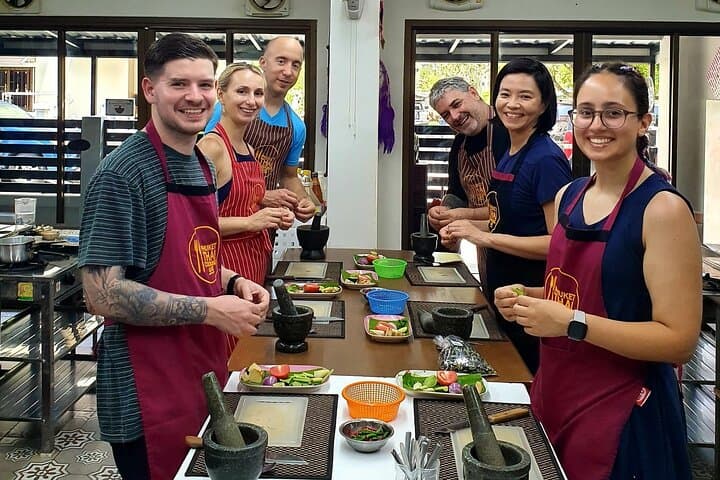
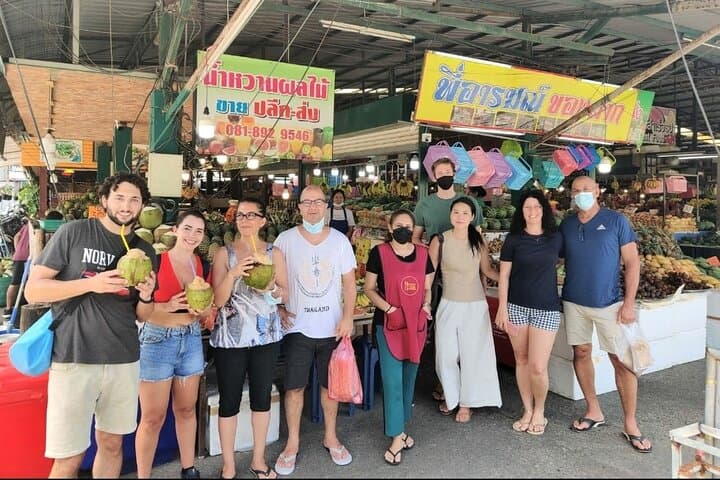
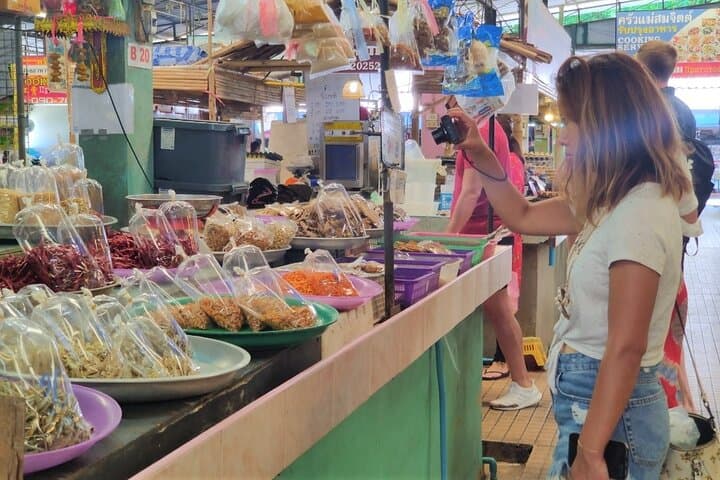
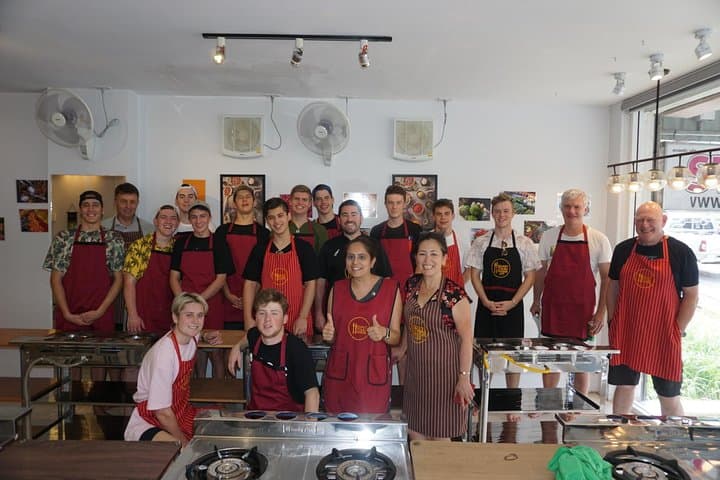
Early morning in Phuket’s market is immediate: stalls call, citrus and lemongrass perfume the air, and the crush of chilies looks like a promise. A cooking class here begins with that rush — a short walk through produce piled high, a vendor offering a taste of exotic fruit, then back to a clean, air‑conditioned kitchen where mortar and pestle take center stage.
Early morning in Phuket’s market is immediate: stalls call, citrus and lemongrass perfume the air, and the crush of chilies looks like a promise. A cooking class here begins with that rush — a short walk through produce piled high, a vendor offering a taste of exotic fruit, then back to a clean, air‑conditioned kitchen where mortar and pestle take center stage.
This class pairs practical technique with local context. Phuket’s cuisine carries Chinese, Malay and southern Thai influences shaped by its tin‑mining boom and seafaring trade; dishes like tom yum and massaman reflect that layered history. Geologically, the island’s granite core and nearby limestone karsts supply the seafood and salt-scrubbed air that influence flavors and markets. In class, instructors explain ingredient substitutions, demonstrate curry paste from scratch, and guide you through classic plates — pad thai, tom yum, green or red curry, and sticky mango rice — while noting sustainable seafood choices when available.
Expect hands-on stations, step‑by‑step English instruction, and a market option that shows how locals choose produce and seafood. Practical notes: come with comfortable closed‑toe shoes, bring a camera for the market, and allow three hours for the full experience including tasting. The workshop suits cooks of all levels; chefs tailor guidance to beginners or experienced home cooks wanting regional tips. Leave with mailed recipes, a sharper palate for Thai balance (sweet, sour, spicy, salty), and skills to recreate these dishes at home.